Custom Plastic Injection Molding in the Construction Industry
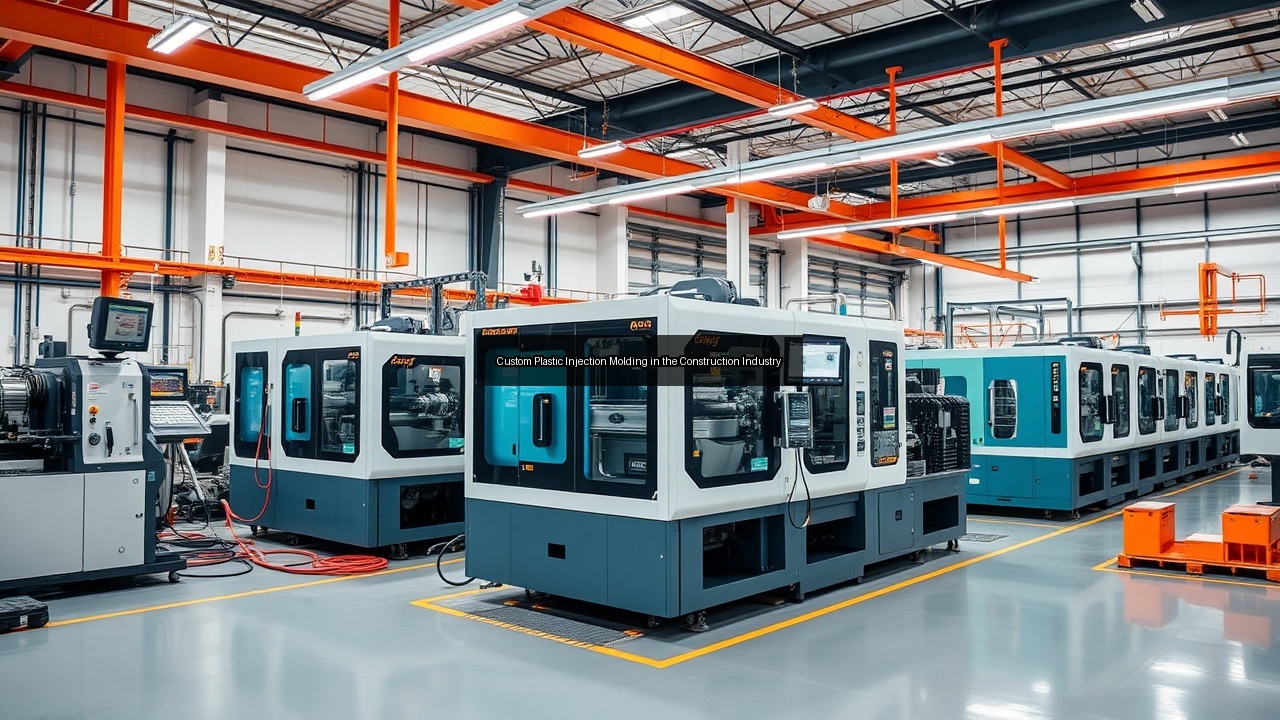
The Role of Custom Plastic Injection Molding in Construction
Overview of Plastic Injection Molding in Construction
Custom plastic injection molding has revolutionized the construction industry by providing tailored solutions for a variety of building needs. This manufacturing process involves injecting molten plastic into a mold to create precise components that meet specific design requirements. Construction projects often demand high durability, versatility, and cost-effectiveness, making injection molding an ideal choice. The process allows manufacturers to produce large quantities of consistent parts efficiently, which is critical in fast-paced construction environments. From tools to structural elements, custom plastic injection molding plays a vital role in enhancing the functionality and aesthetic appeal of construction products.
Benefits of Custom Plastic Parts in Building Projects
Custom plastic parts offer numerous benefits in construction projects. First, they enable designers and engineers to create highly specialized components that fit unique project specifications. This flexibility leads to improved performance and integration with other building materials. Additionally, plastic injection molded parts tend to be lighter than their metal counterparts, reducing transportation costs and easing installation processes. Moreover, custom plastic parts exhibit excellent resistance to corrosion, moisture, and chemicals, which prolongs their lifespan in harsh construction environments. The ability to design parts with intricate features, such as threaded inserts for better fastening, further enhances their utility. Ultimately, these advantages contribute to reduced overall project costs and improved efficiency.
Key Applications: Tools, Components, and Structural Elements
The applications of custom plastic injection molding in construction are vast. One significant area is the production of tools and equipment used on job sites. Custom tool grips, handles, and other components can be designed to enhance ergonomics and functionality. Additionally, structural elements such as brackets, connectors, and even larger components like panels can be efficiently produced using this technique. These parts not only meet the structural requirements but also add aesthetic value to the overall design. Other applications include fixtures, fittings, and even safety gear, all of which benefit from the durability and customization offered by injection molding. As construction demands continue to evolve, the reliance on custom plastic injection molded parts will only grow.
Innovative Techniques in Custom Plastic Injection Molding
Exploring Overmolding and Insert Molding
Overmolding and insert molding are innovative techniques that enhance the capabilities of custom plastic injection molding. Overmolding involves combining two different materials into a single part, typically soft and hard plastics, to create a component that leverages the benefits of both materials. For instance, a hard plastic base can be overmolded with a softer rubber grip to improve handling. This technique is particularly useful in creating tools that require both sturdiness and comfort. Insert molding, on the other hand, involves placing a metal or plastic insert into the mold before the injection process. This allows for the creation of more complex components with integrated features, such as threaded inserts for secure fastening. Both techniques contribute significantly to the versatility and functionality of injection molded products in construction.
The Impact of 3D Printing on Injection Molding
3D printing plays a transformative role in the realm of custom plastic injection molding by streamlining the design and prototyping phases. It allows designers to create rapid prototypes that can be tested and modified before committing to the more costly injection molding process. This synergy between 3D printing and injection molding reduces lead times significantly, enabling faster project completion. Furthermore, utilizing 3D printed molds for low-volume production can be a cost-effective solution, especially for specialized construction projects. The ability to quickly iterate designs and test functionality ensures that the final injection molded products meet the highest standards of quality and performance.
Surface Finishes and Aesthetics in Construction Applications
Surface finishes play a crucial role in the aesthetics and functionality of injection molded parts in construction. Various techniques such as laser engraving can be employed to create detailed designs or logos on the surface of custom plastic parts. Additionally, different finishing processes can enhance the texture, gloss, and overall appearance of the components, making them more appealing in architectural applications. A well-chosen surface finish can also improve the part's resistance to wear and tear, UV exposure, and chemical damage, ensuring longevity. Whether it’s a decorative panel or a functional tool, the right surface finish elevates the quality and appeal of injection molded products, making them suitable for diverse construction needs.
The Injection Molding Process: From Design to Production
Design Considerations for Injection Moldings
Effective design is critical in the custom plastic injection molding process. Engineers must consider factors such as material selection, part geometry, and wall thickness when designing components. The choice of thermoplastic material impacts the part's strength, flexibility, and durability. Designing for manufacturability ensures that the part can be produced efficiently and economically. Additionally, incorporating features like draft angles can facilitate easy removal from the mold. Understanding the limitations of the injection molding process helps designers create parts that minimize defects and optimize material usage. Comprehensive design considerations lead to high-quality injection molded parts that meet the specific requirements of construction projects.
Understanding Injection Molds and Their Fabrication
Injection molds are intricate tools essential for producing custom parts. The fabrication of these molds involves precision machining processes, including CNC machining and EDM (Electrical Discharge Machining). CNC machining shapes the mold components with high accuracy, while EDM is often used for more complex details that require fine tolerances. The quality of the mold directly influences the final product's precision and quality. Investing in high-quality mold fabrication ensures that the resulting injection molded parts are consistent and meet stringent construction standards. Regular maintenance and inspection of molds also play a significant role in sustaining their performance over time, reducing the likelihood of defects in mass production.
Prototyping and Testing: CNC Machining and EDM
Prototyping is a critical step in the custom plastic injection molding process. Using CNC machining, manufacturers can create prototypes that allow for testing and validation of the design before moving to full-scale production. This iterative process helps identify potential issues early, saving time and costs in the long run. Additionally, incorporating EDM allows for the creation of highly complex and precise prototypes. Rigorous testing of prototypes ensures that the final injection molded parts will perform as expected in real-world construction applications. This proactive approach leads to greater confidence in the final product and ensures compliance with project specifications.
Cost Factors and Quality Assurance in Custom Manufacturing
Pricing Strategies for Custom Injection Molding Services
Understanding the pricing strategies for custom injection molding services is essential for project budgeting. Several factors influence the cost, including the complexity of the design, material selection, and the volume of parts to be produced. Generally, higher complexity and lower production volumes lead to increased costs. Manufacturers often provide pricing tiers based on projected volumes, encouraging clients to commit to larger orders for reduced per-part costs. Transparency in pricing helps clients make informed decisions, ensuring they receive value for their investment in custom plastic injection molding services.
ISO 9001 Standards and Quality Inspection Processes
Quality assurance is paramount in the custom plastic injection molding industry. Adhering to ISO 9001 standards ensures that manufacturers maintain consistent quality throughout the production process. This internationally recognized standard encompasses various aspects, including process management, documentation, and continual improvement. Regular quality inspections at different stages of production help identify defects early, ensuring that only high-quality parts reach the construction site. Implementing robust quality control measures fosters trust between manufacturers and clients, ultimately contributing to the success of construction projects.
Lead Times and Efficiency in Production
Lead times significantly impact the overall efficiency of construction projects. Custom plastic injection molding can offer quick turnaround custom mold times, particularly when leveraging advanced manufacturing techniques like 3D printing for prototyping. Efficient production processes, combined with effective project management, ensure that parts are delivered on schedule. Manufacturers that prioritize lead times and efficiency can meet tight deadlines, an essential factor in the competitive construction industry. By optimizing production workflows and maintaining open communication with clients, manufacturers can enhance customer satisfaction and contribute to the timely completion of construction projects.