Debunking Myths About Non-Destructive Testing Methods
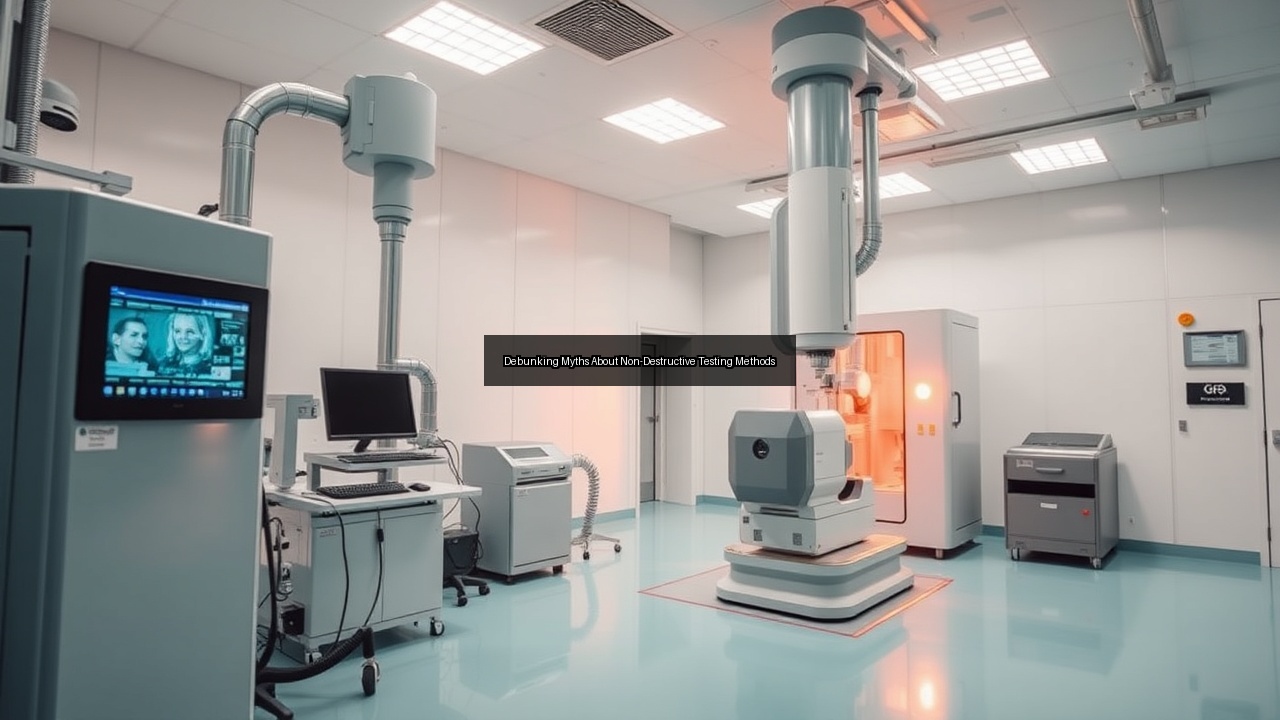
Understanding Non-Destructive Testing Methods
Overview of NDT Techniques
Non-destructive testing (NDT) encompasses a variety of techniques designed to evaluate the properties of a material, component, or system without causing any damage. These methods apply across numerous industries, including aerospace, automotive, construction, and manufacturing. NDT ensures quality assurance (QA) by detecting flaws, ensuring the integrity of materials, and prolonging the lifespan of structures. Various techniques fall under the NDT umbrella, each suited to different materials and types of inspections. These methods provide critical data while maintaining the usability of the tested items, making them invaluable in today’s quality-driven marketplace.
Common NDT Methods: Ultrasonic and Radiographic Testing
Among the most widely used non-destructive testing methods are ultrasonic testing and radiographic testing. Ultrasonic testing employs high-frequency sound waves to detect internal flaws, measuring the time it takes for echoes to return from the material. This method excels in its ability to identify minute defects and can evaluate various types of materials, including metals and composites. Radiographic testing, on the other hand, uses X-rays or gamma rays to create images of the internal structure of a component. This technique reveals not only flaws but also the overall internal configuration, providing a comprehensive view of the material's integrity. Both methods play pivotal roles in quality assurance, ensuring that products meet industry standards and safety requirements.
The Role of NDE in Quality Assurance
Non-destructive evaluation (NDE) serves as a cornerstone in quality assurance processes across industries. By enabling manufacturers to check for defects without compromising the integrity of the product, NDE helps maintain safety and compliance with various regulations. The insights gained from NDE allow companies to make informed decisions regarding repairs, replacements, and maintenance. Incorporating NDE methods into the inspection services framework not only enhances safety measures but also reduces costs associated with faulty products. Ultimately, NDE contributes significantly to the overall reliability and performance of components in critical applications, ensuring that they function as intended and adhere to rigorous industry standards.
Myths and Misconceptions about NDT
Myth 1: NDT is Only for Large Industries
A common misconception about non-destructive testing services is that they are exclusively necessary for large industries. This myth overlooks the fact that NDT techniques apply to a wide range of sectors, including small businesses and local enterprises. From small-scale manufacturers to construction firms, companies of all sizes can benefit from NDT services to ensure product integrity and safety. The implementation of NDT does not solely cater to large budgets; many affordable options exist for smaller operations. Investing in non-destructive testing leads to long-term savings by preventing costly failures and recalls, making it a wise choice for businesses of any size.
Myth 2: Non-Destructive Testing is Less Reliable than Destructive Testing
Another prevalent myth suggests that non-destructive testing is less reliable than its destructive counterpart. In reality, NDT offers a high level of accuracy and reliability when conducted by trained professionals using calibrated equipment. While destructive testing can provide certain data about material properties, it sacrifices the ability to use the tested specimens afterward. Non-destructive testing methods, such as ultrasonic and radiographic testing, often yield more comprehensive insights about a material's integrity without compromising its usability. The reliability of NDT relies heavily on the expertise of the technicians and the quality of the equipment, making it a trusted choice for effective inspections.
Myth 3: NDT Services are Expensive and Unaffordable
Some perceive non-destructive testing services as prohibitively expensive, leading to the false belief that only large corporations can afford them. In truth, the cost of NDT varies depending on the method used, the complexity of the inspection, and the materials involved. Many companies offer competitive pricing, making NDT accessible to a broader range of customers. Moreover, the financial benefits of preventing defects far outweigh the initial investment in NDT services. By identifying potential issues before they escalate, businesses can avoid significant costs associated with repairs, legal claims, and product recalls. Thus, NDT proves to be a cost-effective strategy for quality assurance.
The Importance of Certification and Accreditation in NDT
Key Standards: ISO 9001 and ASME NQA-1
Certification and accreditation play critical roles in the credibility of non-destructive testing services. Key standards such as ISO 9001 and ASME NQA-1 provide frameworks for ensuring that organizations meet the necessary quality management requirements. ISO 9001 focuses on maintaining consistent quality in products and services, promoting customer satisfaction through effective implementation of processes. ASME NQA-1 specifically addresses quality assurance in nuclear facilities, ensuring that NDT services meet stringent safety and operational standards. By adhering to these internationally recognized standards, NDT laboratories enhance their credibility and demonstrate their commitment to quality assurance.
The Role of NADCAP in NDT Certification
The National Aerospace and Defense Contractors Accreditation Program (NADCAP) plays a vital role in the certification of NDT services, especially in aerospace and defense sectors. NADCAP accreditation signifies that a laboratory meets rigorous quality standards and has undergone thorough audits to verify compliance. This accreditation ensures that manufacturers can trust the reliability of the NDT services they receive, which is essential in industries where safety is paramount. By pursuing NADCAP accreditation, NDT laboratories not only enhance their marketability but also contribute to the overall integrity of the industries they serve.
How to Choose an Accredited NDT Laboratory
Selecting an accredited NDT laboratory is crucial for ensuring high-quality non-destructive testing services. When evaluating potential laboratories, consider their certifications, experience, and the range of NDT methods they offer. Look for laboratories that hold relevant accreditations, such as ISO 9001 and NADCAP, as these demonstrate a commitment to quality assurance. Additionally, assess their track record in providing reliable and accurate testing services. Reading customer reviews and seeking recommendations can provide valuable insights into their reputation. Ultimately, choosing an accredited NDT laboratory ensures that businesses receive the highest standard of service, fostering confidence in the integrity of their products.
Future Trends and Innovations in Non-Destructive Testing
Advancements in Technology: Impact on NDT Services
Technological advancements continue to reshape the landscape of non-destructive testing services. Innovations such as automated ultrasonic testing systems and advanced radiographic techniques significantly enhance inspection capabilities. These advancements lead to faster, more accurate results while reducing human error. Emerging technologies, like drones equipped with NDT sensors, allow for inspections in hard-to-reach areas, expanding the scope of NDT applications. As technology evolves, so too does the ability of NDT to meet the increasing demands for safety and quality in various industries, driving a new era of efficiency and effectiveness in inspections.
The Growing Importance of Chemistry in NDT
Chemistry plays a critical role in the evolution of non-destructive testing methods, particularly in material evaluations. Understanding the chemical properties of materials enhances the ability to identify potential issues through NDT. Techniques such as eddy current testing and liquid penetrant testing utilize chemical principles to detect surface flaws effectively. As industries push for more sophisticated materials with specific properties, the integration of chemistry into NDT becomes increasingly important. This intersection allows for more tailored and effective testing solutions, ensuring that materials meet industry standards and perform reliably in their intended applications.
Integration of Digital Tools in NDT Inspections
The integration of digital tools in non-destructive testing inspections marks a significant trend in the industry. Digital platforms enable real-time data collection and analysis, enhancing the efficiency and accuracy of inspections. Cloud-based software allows for seamless sharing of inspection results, facilitating collaboration among teams and stakeholders. The use of artificial intelligence and machine learning algorithms can further refine the analysis of NDT data, identifying patterns and potential defects with greater precision. Embracing these digital innovations not only streamlines NDT processes but also elevates the quality of inspections, ultimately contributing to enhanced safety and compliance in various industries.