Innovative Tool Steels Revolutionizing Hydraulic Component Fabrication
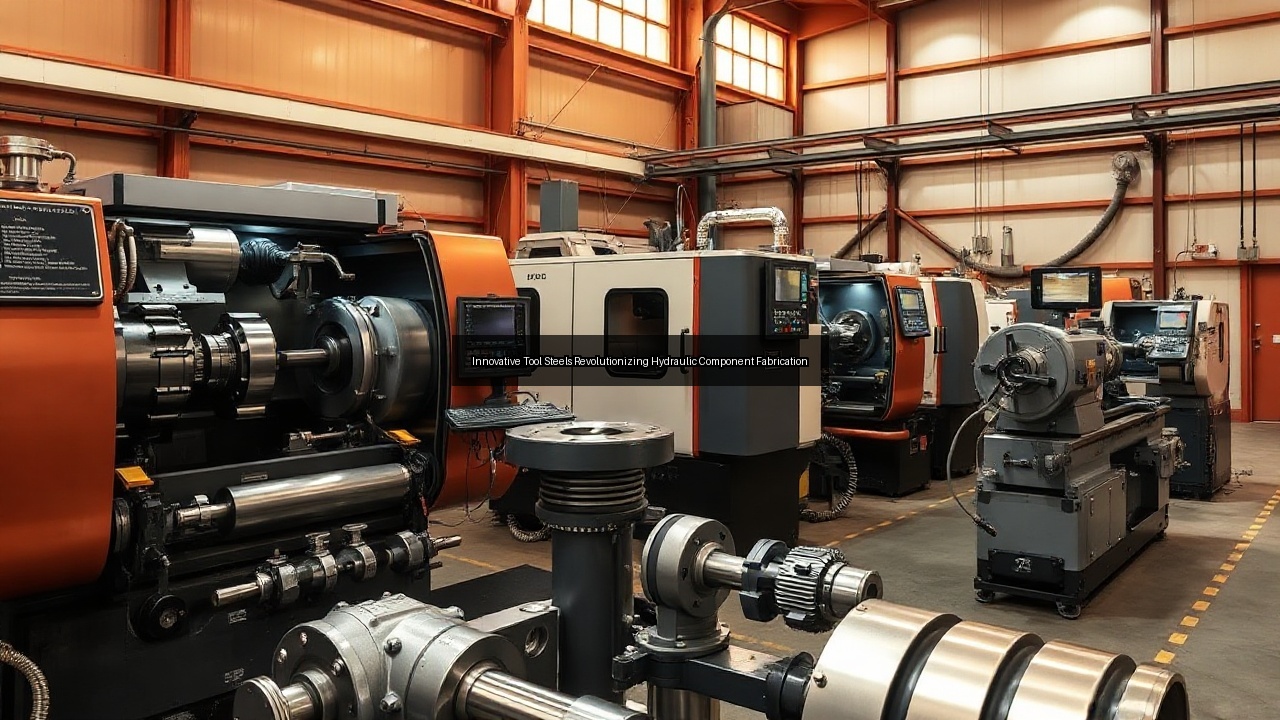
The Evolution of Tool Steels in Hydraulic Component Machining
Historical Overview of Tool Steels
Tool steels have played a significant role in the evolution of machining technologies, particularly in hydraulic component machining. These steels, designed for exceptional hardness, wear resistance, and durability, have a rich history that dates back to the late 19th century. Initially, manufacturers used simple carbon steels for tool production, but as the demand for precision and efficiency grew, engineers began to develop alloyed steels tailored to specific applications. The introduction of high-speed steels in the 1920s marked a pivotal moment, leading to faster cutting speeds and enhanced machinability. By the mid-20th century, advancements in metallurgy and heat treatment processes further transformed tool steels, allowing for improved performance in high-stress environments typical of hydraulic systems.
Modern Innovations in Tool Steel Technologies
Today, modern manufacturers benefit from a range of innovative tool steel technologies that enhance the fabrication of hydraulic components. Developments in powder metallurgy have enabled the production of high-performance tool steels with uniform microstructures, resulting in superior hardness and wear resistance. These advanced materials, such as M2 and M4 high-speed steels, offer exceptional machinability, making them ideal for complex hydraulic components like pistons and spools. Furthermore, the integration of coatings, such as titanium nitride and chromium carbide, enhances tool longevity and performance in high-temperature applications. Manufacturers are increasingly adopting these innovative materials to meet the demanding tolerances required in hydraulic systems, ensuring that components meet stringent quality standards.
Impact of Tool Steels on Machinability and Tolerances
Tool steels significantly impact the machinability and tolerances of hydraulic component manufacturing. The choice of tool steel directly influences the efficiency of CNC machining processes, affecting factors like cutting speed, feed rates, and tool life. High-quality tool steels allow for the production of components with tight tolerances, essential for the operation of hydraulic systems where precision is paramount. For instance, components such as rods and cylinders must fit seamlessly to prevent leaks and ensure optimal performance. Additionally, the wear resistance of advanced tool steels reduces the frequency of tool changes, improving overall productivity and minimizing downtime. As manufacturers continue to push the limits of engineering, the role of tool steels remains crucial in driving advancements in hydraulic component machining.
Key Applications of Hydraulic Component Machining
Aerospace and Automotive Industries
The aerospace and automotive industries heavily rely on hydraulic component machining for critical applications. Hydraulic systems in aircraft and vehicles manage various functions, from braking to steering, necessitating components that meet rigorous safety and performance standards. Manufacturers utilize precision machining techniques to produce hydraulic components such as valves, actuators, and pumps, which must perform reliably under extreme conditions. For example, aircraft hydraulic systems operate at high pressures and temperatures, making the choice of materials and machining processes vital. Companies invest in advanced CNC machining centers equipped with multi-axis capabilities to achieve the complex geometries required for these components, ensuring they meet strict ISO 9001 quality assurance standards.
Marine and Agricultural Equipment
Marine and agricultural equipment also benefit from advancements in hydraulic component machining. In marine applications, hydraulic systems control steering, trim, and lift functions, demanding high-quality machined components that can withstand harsh conditions, including saltwater corrosion. Manufacturers often employ corrosion-resistant materials, such as stainless steel and specialized coatings, to enhance durability. In agriculture, hydraulic systems power machinery like tractors and harvesting equipment, where efficiency and reliability are crucial. Hydraulic cylinders and pumps must be precisely machined for optimal performance, allowing farmers to maximize productivity. The integration of modern machining technologies ensures that components are not only durable but also manufactured efficiently, reducing waste and improving overall system reliability.
Construction Equipment and Fluid Dynamics
In the realm of construction equipment, hydraulic component machining plays an essential role in enhancing fluid dynamics. Hydraulic systems in excavators, loaders, and cranes rely on precisely machined components, such as hydraulic cylinders, valves, and pumps, to function effectively. The efficiency of these systems directly correlates with the quality of the machined components, which must manage high-pressure fluids without leaking. Manufacturers employ state-of-the-art CNC lathe and grinding technologies to achieve the necessary tolerances, ensuring that components perform reliably even under heavy loads. The focus on precision machining not only improves system efficiency but also contributes to the longevity of construction equipment, reducing maintenance costs and increasing operational uptime.
Precision and Quality in Hydraulic Component Manufacturing
ISO 9001 Standards and Quality Assurance
Quality assurance is paramount in hydraulic component manufacturing, and adherence to ISO 9001 standards ensures that companies maintain consistent quality in their machining processes. ISO 9001 certification requires manufacturers to implement systematic quality management systems that monitor every stage of production, from material selection to final inspection. This commitment to quality guarantees that hydraulic components meet strict performance and safety standards, essential in industries such as aerospace and automotive. By focusing on quality control, manufacturers can reduce defects and improve customer satisfaction, ultimately enhancing their reputation in a competitive market. Regular audits and continuous improvement initiatives further reinforce the importance of quality assurance in hydraulic component machining.
Automated Machining Centers and CNC Technologies
Automated machining centers and CNC technologies revolutionize the production of hydraulic components, enhancing efficiency and precision. These advanced machines enable manufacturers to automate complex machining processes, reducing labor costs while improving output. CNC machining centers allow for multi-axis operations, accommodating intricate designs that would be challenging with traditional machining methods. As a result, manufacturers can produce high-quality hydraulic components with tight tolerances and repeatability. The integration of automation not only streamlines production but also minimizes human error, ensuring that each component meets the necessary specifications. The rise of smart manufacturing technologies further enhances this process, as data analytics and IoT devices provide real-time insights into production efficiency and quality.
Wear Resistance and Corrosion-Resistant Materials
Wear resistance and corrosion resistance are critical factors in hydraulic component manufacturing. Components frequently exposed to harsh environments or high-pressure fluids must withstand significant wear and potential degradation. Manufacturers increasingly turn to advanced materials to address these challenges. Tool steels with inherent wear resistance, alongside treatments that enhance corrosion resistance, ensure that hydraulic components maintain their integrity over time. For instance, components made from PTFE-coated materials prevent fluid leakage while providing excellent wear characteristics. As industries demand more durable and reliable hydraulic systems, the focus on material selection and surface treatments becomes paramount, influencing the overall performance and lifespan of hydraulic equipment.
The Future of Hydraulic Component Fabrication
Emerging Trends in Manufacturing Technologies
The future of hydraulic component fabrication lies in the continuous evolution of manufacturing technologies. Emerging trends, such as additive manufacturing and advanced robotics, offer exciting possibilities for the production of hydraulic components. Additive manufacturing allows for the creation of complex geometries that traditional machining cannot achieve, potentially revolutionizing component design. Manufacturers can produce lightweight yet robust components that improve system efficiency. Robotics enhance precision in assembly processes, ensuring that components are integrated seamlessly into hydraulic systems. These advancements promise to drive innovation in hydraulic component machining, enabling manufacturers to meet growing demands for efficiency and sustainability.
Sustainability and Waste Reduction in Machining
Sustainability has become a key consideration in hydraulic component machining. Manufacturers increasingly seek ways to reduce waste and minimize their environmental impact. Implementing lean manufacturing principles helps streamline processes, cutting down on excess materials and energy consumption. Recycling metal shavings and using eco-friendly lubricants contribute to a more sustainable operation. Additionally, advancements in machining technologies that enhance precision lead to less scrap material, further promoting waste reduction. As regulatory pressures and customer expectations for sustainability grow, companies focusing on environmentally friendly practices will likely gain a competitive edge in the hydraulic component manufacturing sector.
Challenges and Opportunities in Hydraulic Systems Development
While the future of hydraulic component fabrication presents numerous opportunities, challenges remain. The complexity of modern hydraulic systems requires continuous innovation and adaptation from manufacturers. Keeping pace with advancements in materials, machining technologies, and market demands can be daunting. However, these challenges also present opportunities for collaboration across industries, fostering innovation and knowledge sharing. Manufacturers can leverage partnerships to develop new materials or technologies that enhance hydraulic system performance. By embracing these challenges, companies position themselves to capitalize on the growing demand for efficient, high-quality hydraulic components in various applications, from aerospace to agriculture.
See Also
- Hydraulic Component Machining Trends in the Construction Industry
- The Secrets of Swiss Machining Techniques in Hydraulic Component Manufacturing
- Understanding Fluid Dynamics in Hydraulic System Component Machining
- Mastering Precision in Hydraulic Component Machining for Aerospace Applications
- Fluid Dynamics and Its Importance in Hydraulic Component Design and Machining