Mastering Ductwork Fabrication for Optimal Airflow Efficiency
Understanding Ductwork Fabrication
The Importance of Ductwork in HVAC Systems
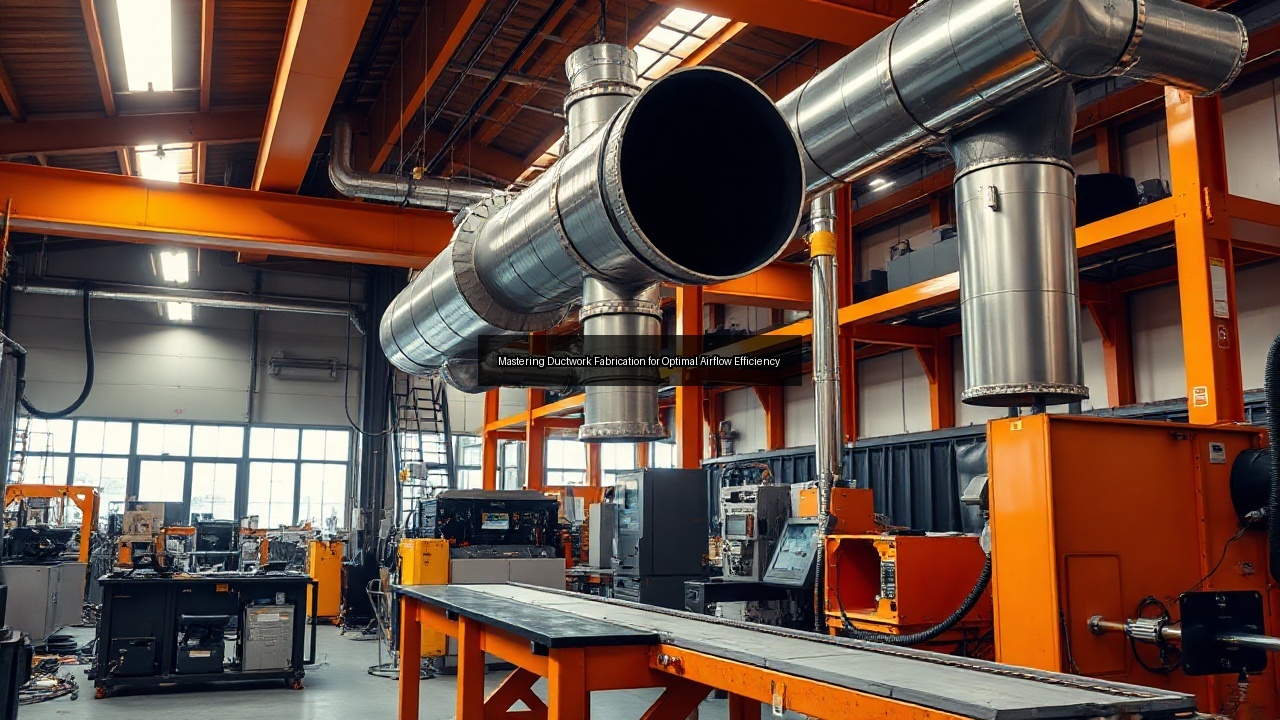
Ductwork forms the backbone of every HVAC system by directing conditioned air throughout buildings. Properly fabricated ducts maintain consistent pressure and minimize energy loss during distribution. Contractors rely on ductwork fabrication to create pathways that match exact building layouts and load requirements. Without precise fabrication, HVAC systems struggle with uneven temperatures and higher utility costs. This process directly influences indoor comfort levels and equipment longevity. Professionals measure each space carefully before starting to ensure ducts align with architectural constraints. Effective ductwork also supports ventilation standards that protect air quality. Builders prioritize this step because it prevents future retrofits and system imbalances that waste resources over time.
Beyond basic distribution, well-fabricated ductwork plays a critical role in meeting modern energy codes and sustainability goals. For instance, systems designed to ASHRAE standards can reduce operational energy use by up to 30 percent compared to poorly executed installations. In commercial settings, optimized duct networks contribute to LEED certification points by improving overall building efficiency. They also help control humidity levels, which is essential in preventing mold growth and maintaining occupant health. In residential applications, precise fabrication ensures quiet operation, avoiding the whistling or rumbling sounds that often result from turbulent airflow. Ultimately, the upfront investment in quality ductwork fabrication pays dividends through lower maintenance frequency and extended HVAC equipment lifespan, often exceeding 20 years with proper care.
Key Materials Used in Duct Fabrication
Sheet metal remains the primary choice for most duct fabrication projects because it offers durability and easy customization. Galvanized steel resists corrosion while aluminum provides lighter weight for overhead installations. Fabricators select materials based on temperature exposure, moisture levels, and acoustic needs in each environment. Fiberglass liners often pair with metal ducts to reduce noise transmission. Contractors evaluate local codes and project specifications to choose the right combination. High-quality materials extend system life and maintain airflow integrity across seasons. Modern fabrication shops stock various gauges to handle both residential and commercial demands efficiently.
Additional options include stainless steel for highly corrosive or sanitary environments such as hospitals and food processing plants, where resistance to chemicals and bacteria is paramount. Flexible ducts made from reinforced plastic or fabric composites serve short-run connections to diffusers, offering quick installation in tight spaces but requiring careful support to avoid sagging. Phenolic foam panels represent an emerging insulated alternative that combines structural strength with superior thermal performance, reducing condensation risks in humid climates. Fabricators also consider fire-rated materials for plenum spaces to comply with safety regulations. The choice of gauge—typically ranging from 26 for residential to 18 for heavy commercial—directly impacts both cost and structural rigidity under varying static pressures.
The Ductwork Fabrication Process
Designing Ducts for Optimal Airflow
Designers begin every ductwork fabrication project by mapping airflow paths that reduce resistance and pressure drops. They calculate velocity requirements and branch configurations to match equipment output. Software tools help visualize layouts before cutting begins. Proper design avoids sharp turns and constrictions that disrupt smooth air movement. Engineers factor in future expansion needs during initial planning stages. This upfront work ensures fabricated ducts deliver balanced distribution without excessive fan energy. Accurate designs also simplify installation and lower long-term maintenance demands on HVAC systems.
Advanced computational fluid dynamics (CFD) modeling now allows designers to simulate real-world conditions, identifying potential turbulence zones before fabrication. This step incorporates diversity factors for varying occupancy loads and accounts for sound attenuators where noise criteria are strict. Coordination with other trades through BIM software prevents clashes with structural beams or electrical conduits, saving costly field modifications.
Cutting and Shaping Sheet Metal
Fabricators use CNC plasma cutters and shears to produce precise pieces from sheet metal stock. They follow detailed patterns that account for seams, flanges, and insulation allowances. Shaping rollers create curves and transitions that maintain structural integrity. Each cut piece undergoes inspection for dimensional accuracy before assembly. Skilled workers adjust machinery settings to handle different material thicknesses without warping. This stage of duct fabrication determines how well individual components fit together during final installation. Precision here directly supports consistent airflow performance once the system operates.
Many modern shops have transitioned to fiber laser cutters for even greater accuracy and reduced heat-affected zones on thinner metals. Automated coil lines feed material directly into the process, minimizing waste and enabling high-volume production of straight duct sections. Hand tools and English wheels remain essential for custom transitions and offsets that machines cannot produce economically.
Joining Techniques for Ducts
Workers connect duct sections through methods such as Pittsburgh seams, snap locks, and welded joints. They apply mastic sealants or gaskets at connections to prevent air leakage. Proper joining maintains system pressure and prevents contaminants from entering HVAC ducts. Fabricators select techniques based on duct size, location, and accessibility constraints. Rivets and screws reinforce high-stress areas in larger commercial runs. Thorough sealing during this phase reduces energy waste and improves overall efficiency. Quality joining practices also simplify future inspections and repairs on completed ductwork systems.
For high-pressure systems, transverse duct connectors (TDC) or proprietary flange systems provide superior rigidity and faster assembly than traditional methods. In seismic zones, flexible connectors absorb movement while maintaining airtight integrity. Welded joints are reserved for specialty applications requiring zero leakage, such as hazardous exhaust systems.
Calculating Duct Length and Size
Using Duct Calculation Tools
Professionals rely on digital duct calculators to determine exact lengths and diameters needed for each run. These tools process inputs like CFM requirements, friction rates, and equivalent length factors. Accurate calculator use prevents oversizing that wastes material or undersizing that restricts airflow. Technicians update software databases with current material specifications and local code adjustments. Many shops integrate these calculators directly into fabrication software for seamless workflow. Proper calculations ensure every duct segment supports the target velocity without creating noise or pressure issues in HVAC systems.
Factors Influencing Duct Length and Size
Room layout, equipment capacity, and insulation thickness all affect final duct dimensions during fabrication. Longer runs require larger cross-sections to offset friction losses along the path. Ceiling heights and structural obstacles dictate routing choices that alter total length. Designers adjust sizes at branches to balance supply and return volumes. Climate conditions influence insulation needs that add to overall duct thickness. Accurate assessment of these factors produces efficient HVAC duct networks that perform reliably year-round.
Achieving Balanced Airflow in HVAC Duct Systems
Balanced airflow requires careful sizing so each room receives its designed volume without manual dampers overcompensating. Fabricators incorporate balancing dampers at key junctions during the manufacturing stage. They verify total external static pressure against fan capabilities before final assembly. Proper balance eliminates hot and cold spots while reducing wear on blowers. Regular verification with airflow hoods confirms the fabricated system meets performance targets. This attention to detail maximizes comfort and minimizes operating costs across the entire HVAC installation.
Ductwork Fabrication Services
Choosing the Right Fabrication Service
Building owners evaluate fabrication shops based on equipment capabilities, turnaround times, and experience with similar projects. Shops that handle both standard and custom orders provide greater flexibility for complex HVAC ductwork needs. References from recent installations demonstrate consistent quality and adherence to schedules. Modern facilities use automated machinery that improves accuracy and reduces waste. Selecting a service with strong design support helps catch potential issues before production starts. Reliable partners deliver ducts that integrate smoothly with existing mechanical systems.
Cost Considerations in Duct Fabrication
Material grade, project complexity, and delivery distance drive overall costs in duct fabrication. Shops quote based on total linear footage plus fittings and accessories. Investing in higher-quality sealing upfront often reduces energy expenses over the system lifetime. Clients compare bids that include shop drawings and installation coordination. Volume discounts apply on larger commercial orders that justify dedicated production runs. Transparent pricing helps facility managers budget accurately for both new construction and retrofit work.
Custom Duct Solutions for Unique Spaces
Architectural features like exposed ceilings or historic renovations demand custom duct shapes that standard catalogs cannot provide. Fabricators create oval, rectangular, or spiral profiles to fit tight clearances while preserving airflow capacity. They incorporate access doors and insulation wraps tailored to specific maintenance requirements. Custom work supports specialized applications such as laboratories or cleanrooms with strict contamination controls. This flexibility allows HVAC designers to meet both aesthetic and performance goals in challenging environments.
Maintaining Airflow Efficiency in Duct Systems
Regular Inspection and Maintenance of Ducts
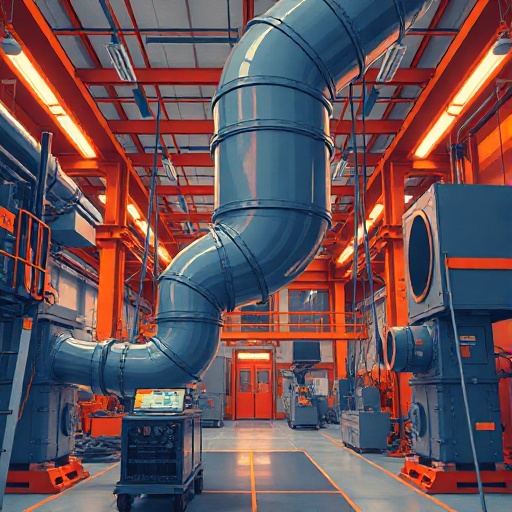
Annual inspections identify loose connections, damaged insulation, and accumulated debris that restrict airflow. Technicians clean coils and straighten vanes to restore original performance levels. They check static pressure readings at multiple points to detect developing restrictions. Scheduled maintenance extends equipment life and prevents costly emergency repairs. Documentation of each visit helps track system condition over time. Consistent care keeps fabricated ductwork operating at peak efficiency throughout its service life.
Common Issues Affecting Airflow in Ducts
Disconnected joints, crushed sections, and excessive dirt buildup create resistance that forces fans to work harder. Poorly sealed seams allow conditioned air to escape into unconditioned spaces. Undersized returns starve supply ducts and create negative pressure problems. Corrosion in older metal ducts narrows passages and introduces particulates into the airstream. Early detection of these issues through visual checks and pressure testing prevents larger performance declines in HVAC systems.
Upgrading to High-Efficiency Ductwork
Replacing outdated ducts with sealed, insulated versions reduces energy consumption and improves comfort consistency. Newer fabrication techniques incorporate aerodynamic fittings that lower friction losses. Owners often pair upgrades with variable-speed equipment to match airflow precisely to demand. High-efficiency ductwork also supports better filtration and humidity control throughout the building. Return on investment appears quickly through lower utility bills and extended equipment lifespan. Modern upgrades transform older HVAC duct systems into reliable, efficient networks.