Mastering the Art of Thermoset Injection Molding for Durable Components
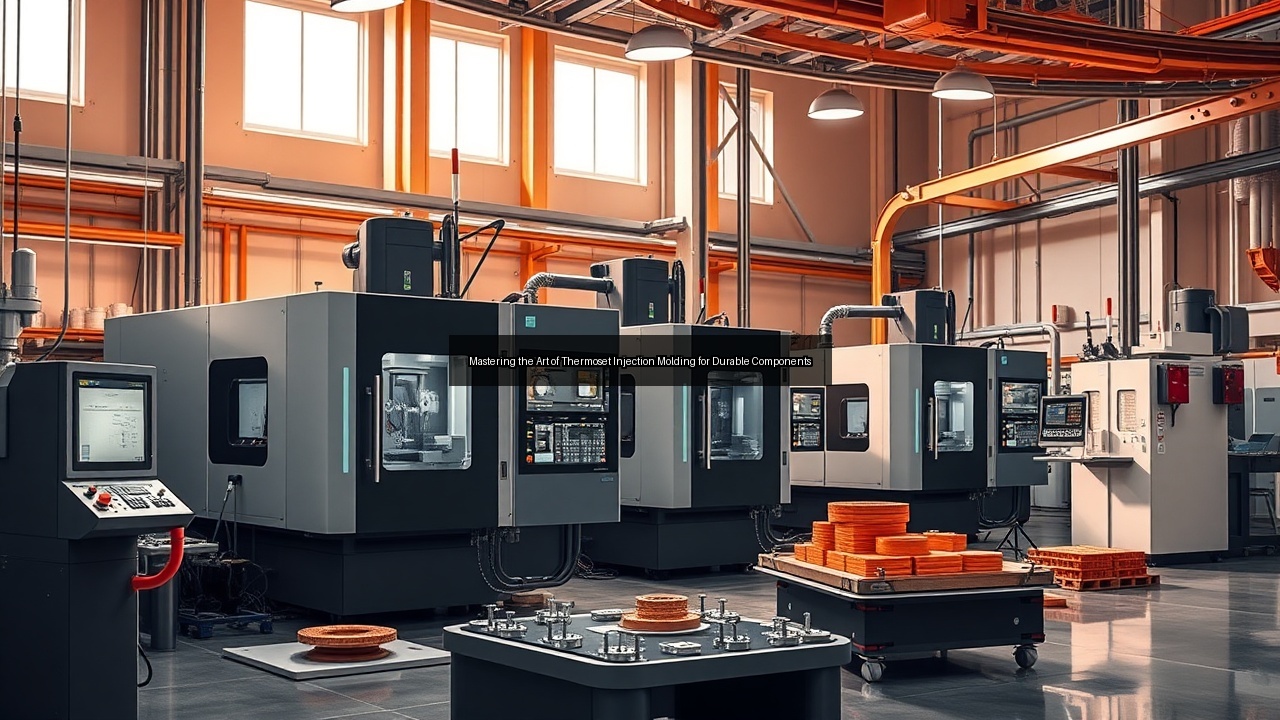
Understanding Thermoset Injection Molding
What Are Thermoset Materials?
Thermoset materials form durable components through a chemical reaction that creates permanent cross-links during curing. Manufacturers rely on thermoset injection molding to produce parts that withstand high heat and mechanical stress without softening. These polymers start as liquids or powders and harden irreversibly once molded, delivering excellent dimensional stability. Engineers select thermoset materials for applications requiring resistance to chemicals and flame retardancy. The process integrates injection with precise control over temperature and pressure to achieve consistent results across production runs. Industries value thermoset polymers for their ability to maintain integrity under extreme conditions where other options fail.
Key Differences Between Thermosets and Thermoplastics
Thermosets differ from thermoplastics because they undergo irreversible curing, while thermoplastics soften repeatedly upon reheating. Thermoset injection molding produces components with superior heat resistance and structural rigidity compared to thermoplastic injection molding. Thermoplastics allow easy recycling through remelting, yet they lose strength at elevated temperatures. In contrast, thermoset plastics deliver long-term performance in harsh environments. Designers choose thermoset molding when parts must resist deformation from continuous exposure to heat or solvents. The distinction guides material selection for injection processes that demand reliability over repeated thermal cycles.
Applications of Thermoset Components in Industry
Thermoset components appear in automotive electrical housings, aerospace insulators, and medical device enclosures. Thermoset injection molding supports high-volume production of these durable parts with tight tolerances. Electronics manufacturers use thermoset polymers for circuit breakers and connectors that handle high voltages safely. Industrial equipment relies on thermoset solutions for gears and valves exposed to abrasive conditions. The molding process enables complex geometries that outperform parts made by compression molding in precision and cycle efficiency. Companies across sectors adopt thermoset injection to create composite structures that combine strength with lightweight properties.
The Thermoset Injection Molding Process
Overview of the Injection Molding Process
Injection molding transforms raw thermoset materials into finished parts through controlled heating and pressurization inside a mold. The process begins with material preparation, followed by injection into cavities where curing occurs. Thermoset injection molding differs from standard plastic injection molding because the material hardens permanently rather than cooling. Precision machines regulate barrel temperatures to initiate the cross-linking reaction at the right moment. This method yields high-strength components used in demanding environments. Manufacturers optimize the injection phase to minimize waste while achieving uniform fill and cure throughout each cycle.
Steps in Thermoset Injection Molding
Operators first prepare the thermoset compound and load it into the machine hopper. The injection unit then plasticizes the material before forcing it into the heated mold under high pressure. Curing takes place as the chemical reaction completes inside the mold. Ejection follows once the part solidifies fully. Thermoset injection molding requires careful timing to prevent premature curing in the barrel. Post-molding operations may include trimming or surface finishing. The entire sequence produces plastic injection molded parts with consistent mechanical properties and excellent surface quality. Monitoring each step ensures repeatability across large production batches.
Comparative Analysis: Thermoset vs. Thermoplastic Injection Molding
Thermoset injection molding offers greater thermal stability than thermoplastic injection moulding, yet it demands stricter process controls to manage curing. Thermoplastic injection molding allows faster cycles and material reprocessing, while thermoset molding creates parts that resist creep and chemical attack. Engineers compare the two when selecting methods for specific load and temperature requirements. Thermoset polymers typically require longer cure times but deliver superior performance in electrical insulation roles. The choice between thermoset and thermoplastic approaches affects mold design, material handling, and final part durability. Many projects combine both techniques to balance cost and performance.
Designing for Thermoset Injection Molding
Mold Design Considerations
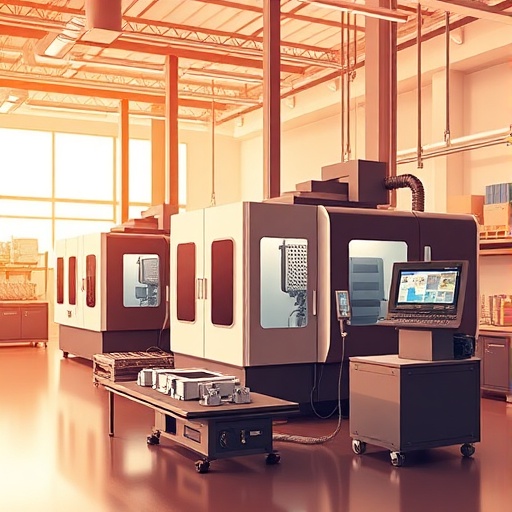
Effective mold design accounts for the high temperatures and pressures involved in thermoset injection molding. Engineers incorporate proper venting and gating to ensure complete cavity fill without air traps. Material flow analysis helps predict cure behavior and shrinkage rates unique to thermoset materials. Robust construction prevents flash formation during the injection phase. Temperature control channels maintain uniform heating across the mold surface. These considerations result in reliable production of complex thermoset components that meet exact specifications. Attention to draft angles and ejection mechanisms further improves part quality and cycle consistency.
The Role of Insert Molding and Overmolding
Insert molding integrates metal or ceramic elements directly into thermoset parts during the injection cycle, enhancing structural integrity. Overmolding adds soft layers or functional surfaces onto rigid thermoset substrates for improved ergonomics. Both techniques expand design possibilities in thermoset injection molding by combining dissimilar materials in one operation. Manufacturers use insert molding to create hybrid components for automotive and electronics applications. Overmolding with liquid silicone rubber provides sealing and vibration damping on thermoset bases. These methods reduce assembly steps and improve bond strength between materials.
Utilizing CNC Machines in Mold Fabrication
CNC machines deliver the precision required to produce high-quality molds for thermoset injection molding. Operators program lathe and drill operations to create intricate cooling channels and cavity details with tight tolerances. This fabrication approach ensures mold surfaces achieve the finish needed for defect-free parts. CNC machining supports rapid iteration during mold development and supports complex geometries that traditional methods cannot match. Integration with CAD data streamlines the transition from design to production tooling. The accuracy of CNC equipment directly contributes to consistent performance in thermoset molding processes.
Challenges and Solutions in Thermoset Injection Molding
Common Issues in Thermoset Processing
Thermoset injection molding faces challenges such as premature curing in the barrel and incomplete fill in thin sections. Uneven heating can cause voids or weak spots in the final component. Flash around parting lines requires additional finishing work. Material viscosity changes during the reaction demand precise parameter adjustments throughout each cycle. Operators monitor pressure and temperature closely to avoid defects. Addressing these issues improves yield and reduces scrap rates in thermoset production environments.
Quality Control and ISO 13485 Compliance
ISO 13485 certification guides quality management systems for thermoset injection molding in medical device manufacturing. Strict documentation tracks every process parameter from material lot to finished part. Inspection protocols verify dimensional accuracy and material properties after molding. Traceability systems support regulatory audits and corrective actions when needed. Compliance ensures thermoset components meet safety and performance standards required for healthcare applications. Regular calibration of machines and molds maintains consistent output aligned with certification requirements.
Innovative Solutions for Thermoset Molding Problems
Advanced sensors now provide real-time feedback during thermoset injection molding to detect curing anomalies early. Modified screw designs improve material homogenization and reduce residence time in the barrel. Optimized gate locations minimize flow hesitation in complex cavities. Chemical additives enhance flow characteristics without compromising final properties. These innovations help manufacturers overcome traditional limitations in thermoset processing. Continuous improvement programs integrate data analytics to refine parameters and boost overall process reliability.
Future Trends in Thermoset Injection Molding
Advancements in Thermoset Polymer Technologies
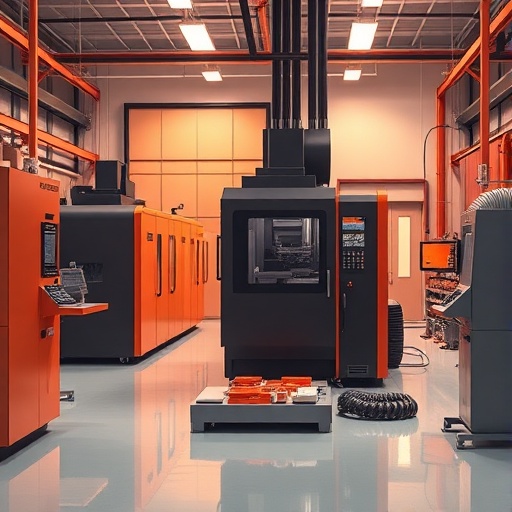
New thermoset polymer formulations enable faster cure times and enhanced mechanical properties for injection molding. Researchers develop resins with improved flow that reduce cycle times while maintaining heat resistance. These advancements expand the range of applications for thermoset components in electric vehicles and renewable energy systems. Material suppliers collaborate with molders to tailor polymers for specific performance targets. The evolution of thermoset technologies continues to strengthen the position of injection molding as a preferred manufacturing method for durable parts.
Sustainability in Thermoset Materials
Efforts to improve sustainability focus on bio-based thermoset materials that reduce reliance on petroleum feedstocks. Recycling strategies for cured thermoset waste explore grinding and reuse as fillers in new compounds. Thermoset injection molding processes now incorporate energy-efficient heating systems to lower overall consumption. Manufacturers seek closed-loop approaches that minimize environmental impact without sacrificing part performance. These initiatives align thermoset solutions with growing demands for responsible production practices across industries.
The Role of Chemicals in Enhancing Thermoset Properties
Chemicals play a critical role in modifying thermoset materials for better processability and end-use performance. Flame retardants, impact modifiers, and UV stabilizers integrate during compounding to meet specific requirements. Additives optimize viscosity and cure kinetics for reliable thermoset injection molding results. Engineers balance chemical formulations to achieve desired electrical insulation or corrosion resistance in final components. Ongoing development of specialized chemicals supports innovation in thermoset polymers tailored for emerging market needs.
See Also
- Exploring the Advantages of Thermoset Materials in Modern Injection Molding
- Comparing Thermoset and Thermoplastic Injection Molding for Optimal Results
- The Future of Thermoset Injection Molding Technologies in Manufacturing
- How Thermoset Injection Molding Revolutionizes Product Design and Functionality