Maximizing Efficiency in CNC Operations through Swiss Screw Machining
Understanding Swiss Screw Machining
History and Evolution of Swiss Screw Machining
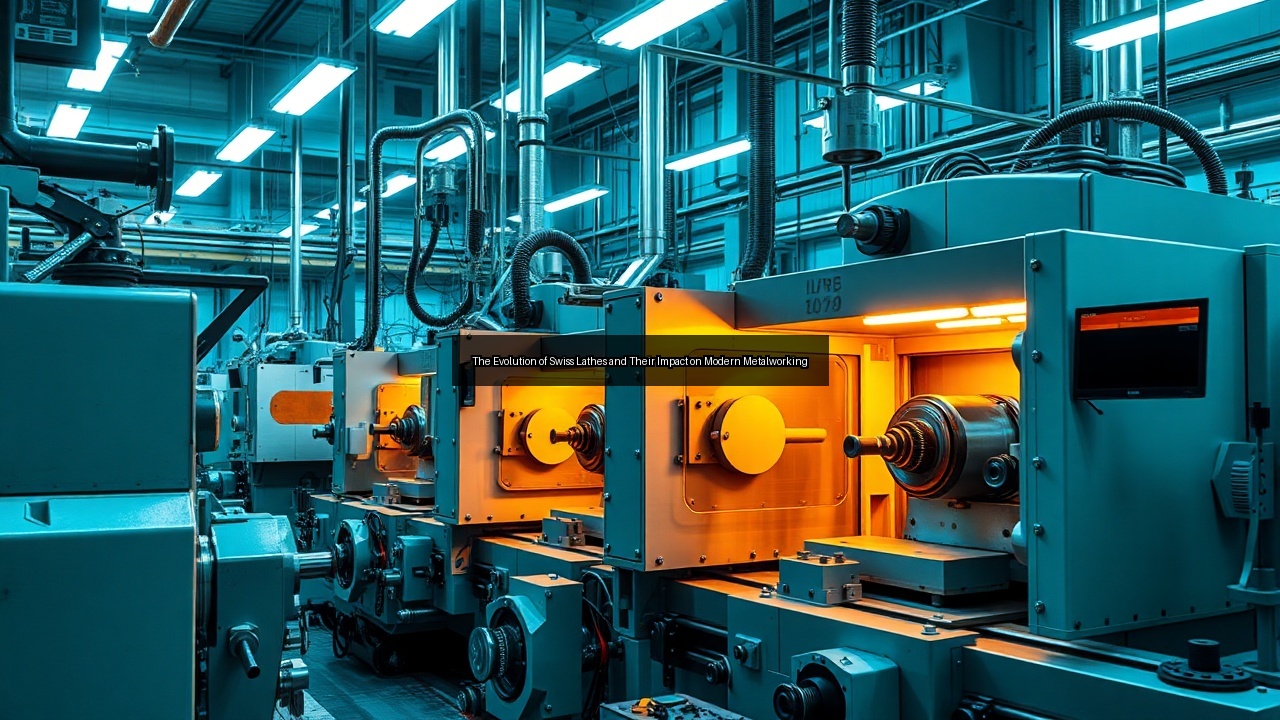
Swiss screw machining traces its roots to the 1870s in Switzerland, where watchmakers developed precision tools to craft intricate components for timepieces. This technique, originally known as Swiss turning, revolutionized metalworking by enabling the production of tiny, highly accurate parts. As industries expanded, innovators adapted the process to broader applications, incorporating advancements like automated controls in the mid-20th century. The shift to CNC integration in the 1980s transformed swiss screw machining into a cornerstone of modern manufacturing. Today, it excels in creating complex geometries with tolerances as tight as microns, far surpassing early manual methods. Engineers credit this evolution to the demand for reliable parts in emerging sectors like electronics and medical devices. Swiss screw machining now stands as a testament to precision engineering, blending historical ingenuity with cutting-edge technology to meet global production needs.
Key Features of Swiss Lathes
Swiss lathes distinguish themselves through a sliding headstock that moves along the Z-axis, keeping tools close to the workpiece to minimize deflection and ensure superior accuracy. This design, central to swiss screw machining, supports high-speed operations on materials like stainless steel and titanium. Multiple tool stations allow simultaneous machining, reducing cycle times dramatically. The incorporation of a guide bushing further stabilizes the bar stock, ideal for long, slender parts that traditional lathes struggle with. Modern swiss lathes also feature advanced coolant systems to manage heat, preventing distortion in delicate components. These elements make swiss lathes indispensable in metalworking lathes categories, offering versatility for both prototyping and high-volume runs. Operators appreciate the intuitive controls that facilitate quick setups, enhancing overall workflow in CNC environments.
Advantages Over Traditional CNC Machines
Swiss screw machining outperforms traditional CNC machines by delivering unmatched precision for small-diameter parts, often achieving surface finishes under 16 microinches without secondary operations. Unlike standard cnc lathes, which rely on fixed tooling that can cause vibration in thin materials, swiss lathes use a collet closer and sliding mechanism to maintain stability throughout the process. This results in fewer rejects and lower scrap rates, directly boosting efficiency in metalworking. Production speeds soar, with swiss screw machining capable of churning out thousands of parts per shift, compared to the slower setups of conventional center lathes. Cost savings emerge from reduced material waste and minimal tool wear, as the design optimizes chip evacuation. Industries favor this method for its ability to handle complex profiles in a single setup, eliminating the need for multiple machines and streamlining operations.
Components and Functionality of Swiss Screw Machining
Role of the Barfeeder in Efficiency
The barfeeder plays a pivotal role in swiss screw machining by automatically loading and advancing raw material into the lathe, eliminating manual interventions that slow down production. This component, often integrated with servo-driven controls, handles bar stock up to 12mm or 16mm in diameter, ensuring continuous operation for extended runs. In metalworking lathes, the barfeeder's precise feeding mechanism synchronizes with the machine's cycle, minimizing downtime and maximizing throughput. Advanced models include sensors to detect stock depletion, triggering alerts or auto-reloads to maintain workflow. By supporting various material types, from brass to exotic alloys, it enhances flexibility in screw machining applications. Manufacturers report up to 30% efficiency gains from efficient barfeeders, as they reduce setup times and allow unattended machining overnight. This reliability turns swiss lathes into true workhorses for high-precision demands.
Integration of the Tailstock and Its Benefits
Integrating the tailstock in swiss screw machining provides essential support for longer workpieces, preventing bending or whipping during operations like drilling and threading. Positioned opposite the headstock, it applies steady pressure via a live center or dead center, ideal for parts exceeding the guide bushing's support length. In swiss lathes, this feature extends the machine's capability to produce shafts up to several inches without compromising accuracy. Benefits include reduced vibration, which sharpens tool life and improves part quality in metalworking. The tailstock's hydraulic or pneumatic actuation allows quick positioning, streamlining transitions between jobs. For screw machined components requiring end-facing or center drilling, it ensures concentricity that traditional setups often lack. Overall, this integration elevates productivity, making swiss screw machining suitable for diverse applications from fasteners to medical implants.
Overview of the Y-Axis in Swiss Lathes
The Y-axis in swiss lathes introduces off-center machining capabilities, allowing tools to move perpendicular to the spindle for features like grooves, flats, and cross-drilling without repositioning the part. This functionality expands swiss screw machining's scope, enabling complex geometries in a single setup on metalworking lathes. Operators program the Y-axis to perform milling operations alongside turning, integrating milling machines' precision into the lathe environment. For 12mm or 16mm bar stock, it facilitates eccentric turning that boosts part versatility. The axis's high-resolution encoders ensure sub-micron accuracy, critical for aerospace components. By reducing secondary processes, it cuts costs and lead times significantly. Swiss lathe users leverage this for innovative designs, such as keyed shafts or splines, transforming standard screw machining into multifaceted production.
Applications of Swiss Screw Machining in Metalworking
Precision Machining for Small Parts
Swiss screw machining excels in precision machining for small parts, producing components like pins, fittings, and connectors with diameters as fine as 0.5mm. This technique thrives in metalworking by handling brittle materials without breakage, thanks to the close-tooling proximity that limits deflection. Applications span electronics, where tiny standoffs demand tight tolerances, to hydraulics for valve spools that must seal perfectly. The process incorporates threading, drilling, and milling in one pass, yielding screw machined parts ready for assembly. Ejector systems efficiently remove finished pieces, maintaining high speeds for volumes in the millions. Compared to other methods, swiss machining delivers burr-free edges and consistent dimensions, reducing post-processing needs. Manufacturers rely on it for prototypes that evolve into production runs, ensuring scalability in demanding sectors.
Screw Machining in Aerospace and Automotive Industries
In aerospace and automotive industries, screw machining via swiss lathes fabricates critical components like fuel injector nozzles and turbine fittings, where failure isn't an option. Swiss screw machining handles high-strength alloys such as Inconel, producing parts with micron-level precision essential for safety and performance. Automotive applications include transmission gears and brake system pins, machined on turret lathes integrated with swiss technology for efficiency. The process supports 16mm bars for robust automotive shafts while scaling down to 12mm for intricate aerospace fasteners. Milling and threading operations ensure parts meet stringent standards like AS9100. By minimizing weight through precise material removal, it aids fuel efficiency in vehicles and aircraft. Success in these fields stems from swiss machining's ability to combine speed with reliability, driving innovation in engine and structural designs.
Comparative Analysis: Swiss Lathes vs. CNC Lathes
Swiss lathes outshine standard cnc lathes in handling slender, high-precision parts, as their guide bushing and sliding headstock prevent the chatter that plagues center lathes during long cuts. While cnc lathes excel in larger diameters and heavier stock, swiss screw machining dominates for micro-components, offering cycle times 50% faster for small batches. In metalworking, swiss lathes integrate y-axis milling seamlessly, unlike many cnc lathes requiring separate stations. Tooling costs drop due to fewer changeovers, and the barfeeder's automation surpasses manual loading in traditional setups. However, cnc lathes provide greater power for roughing operations on bigger pieces. The choice hinges on application: swiss for intricate screw machine work, cnc for versatile turning. This analysis highlights how swiss machining optimizes niche efficiency in broader CNC operations.
Enhancing Productivity in CNC Operations
Optimizing the Use of Turret Lathes
Optimizing turret lathes in CNC operations involves strategic tool indexing to perform multiple tasks—turning, drilling, and threading—without pausing, directly amplifying productivity in swiss screw machining workflows. These metalworking lathes house six to eight tools on a rotating turret, enabling rapid switches for complex parts like multi-diameter shafts. Programmers fine-tune speeds and feeds via CAD/CAM software to match material properties, cutting cycle times by up to 40%. Integration with barfeeders and tailstocks creates a seamless line for high-volume screw machined production. Maintenance routines, such as regular turret alignment, prevent downtime and ensure consistent accuracy. In practice, optimized turret lathes handle 12mm to 16mm stock effortlessly, supporting industries from medical to consumer goods. This approach transforms standard setups into efficient powerhouses, yielding measurable gains in output and quality.
Innovations in Milling Machines and Their Impact
Innovations in milling machines, such as high-speed spindles and adaptive controls, profoundly impact CNC operations by enabling precise contouring within swiss lathes, enhancing overall screw machining capabilities. These advancements allow for off-axis milling on the y-axis, creating features like slots and pockets without transferring parts to dedicated milling machines. In metalworking, this integration reduces setups and errors, streamlining production of intricate components. Tool changers with AI-driven monitoring predict wear, extending life and minimizing interruptions. For swiss screw machining, these mills handle fine details on 16mm bars, vital for automotive prototypes. The result: faster throughput and superior finishes that meet ISO standards. As milling evolves with hybrid machines, it bridges turning and milling, revolutionizing efficiency in diverse applications from aerospace fittings to custom fasteners.
Streamlining Threading and Drilling Processes
Streamlining threading and drilling processes in swiss screw machining relies on synchronized tooling and coolant delivery to achieve clean, accurate features in minimal passes. Live tools on the turret perform threading with single-point or die heads, producing unified threads up to 1mm pitch on small diameters. Drilling integrates peck cycles to clear chips efficiently, preventing breakage in deep holes common to screw lathes. The tailstock supports axial loads during these operations, ensuring straightness in parts like bolts and connectors. Automation via CNC controls optimizes parameters for materials, from aluminum to titanium, boosting speeds while maintaining tolerances. Ejectors swiftly remove scraps, keeping the workspace clear for continuous runs. This refinement cuts secondary operations, enhances part integrity, and elevates productivity in metalworking, making swiss machining a go-to for high-precision demands.
Future Trends in Swiss Screw Machining
Emerging Technologies in Screw Machining
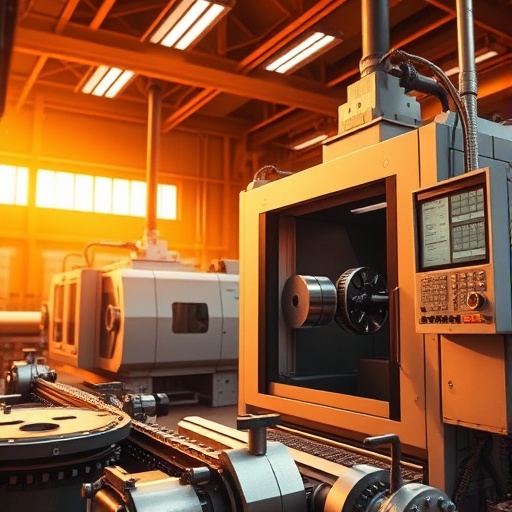
Emerging technologies in screw machining, including AI predictive maintenance and IoT connectivity, propel swiss screw machining toward smarter, more responsive operations. Sensors embedded in swiss lathes monitor vibration and temperature in real-time, alerting operators to issues before they escalate, thus slashing unplanned downtime. Additive manufacturing hybrids allow pre-forming blanks for complex screw machined parts, reducing waste in metalworking. Advanced simulations via digital twins optimize tool paths for 12mm and 16mm applications, forecasting outcomes with pinpoint accuracy. Laser measuring integrates for in-process gauging, ensuring compliance without halting production. These innovations extend to multi-axis controls, enabling freer-form geometries in aerospace and medical fields. As screw machining evolves, it promises even tighter tolerances and sustainable practices, like eco-friendly coolants, reshaping industry standards.
The Role of Automation in Swiss Machining
Automation in swiss machining automates everything from bar loading to part inspection, turning swiss lathes into fully autonomous cells that run 24/7 with minimal oversight. Robotic arms handle material transfer, integrating seamlessly with barfeeders for endless production of screw machined components. Vision systems verify dimensions post-drilling or threading, rejecting defects instantly to uphold quality in metalworking. In turret lathes, automated tool setters adjust offsets dynamically, adapting to wear without manual tweaks. This role extends to data analytics, where automation tracks efficiency metrics to refine processes over time. For tsugami machines, it supports high-volume runs on 16mm stock, achieving outputs previously unimaginable. The impact: labor savings, error reduction, and scalability that positions swiss screw machining as a leader in Industry 4.0.
Case Studies: Success Stories with Tsugami and 16mm/12mm Applications
Case studies with Tsugami swiss lathes showcase remarkable success in 16mm and 12mm applications, such as a medical device firm producing surgical pins with 0.001-inch tolerances, cutting lead times by 60% through integrated y-axis milling and threading. Another example involves an automotive supplier using Tsugami for 12mm fuel line fittings, where barfeeder automation and tailstock support enabled 500,000-unit runs with zero defects, slashing costs via efficient chip management. In aerospace, a Tsugami setup machined 16mm turbine shafts, incorporating drilling and ejector systems for flawless concentricity, boosting throughput 45%. These stories highlight swiss screw machining's prowess in handling varied materials, from titanium to brass, while minimizing setups. Tsugami's robust design proved key in enduring high-speed operations, delivering ROI through precision and reliability that competitors couldn't match.
See Also
- The Future of Screw Machining in an Automated World of Metalworking
- Exploring the Role of Barfeeders in Enhancing Swiss Screw Machining Workflow
- From Tailstock to Turret Lathes Understanding Swiss Machining Techniques
- How Swiss Screw Machining Revolutionizes the Production of Precision Components
- Mastering the Art of Ejector Systems in Swiss Screw Machining