Maximizing HVAC Efficiency with Neoprene Mounts for Smooth Operations
Understanding HVAC Neoprene Mounts
What are Neoprene Mounts?
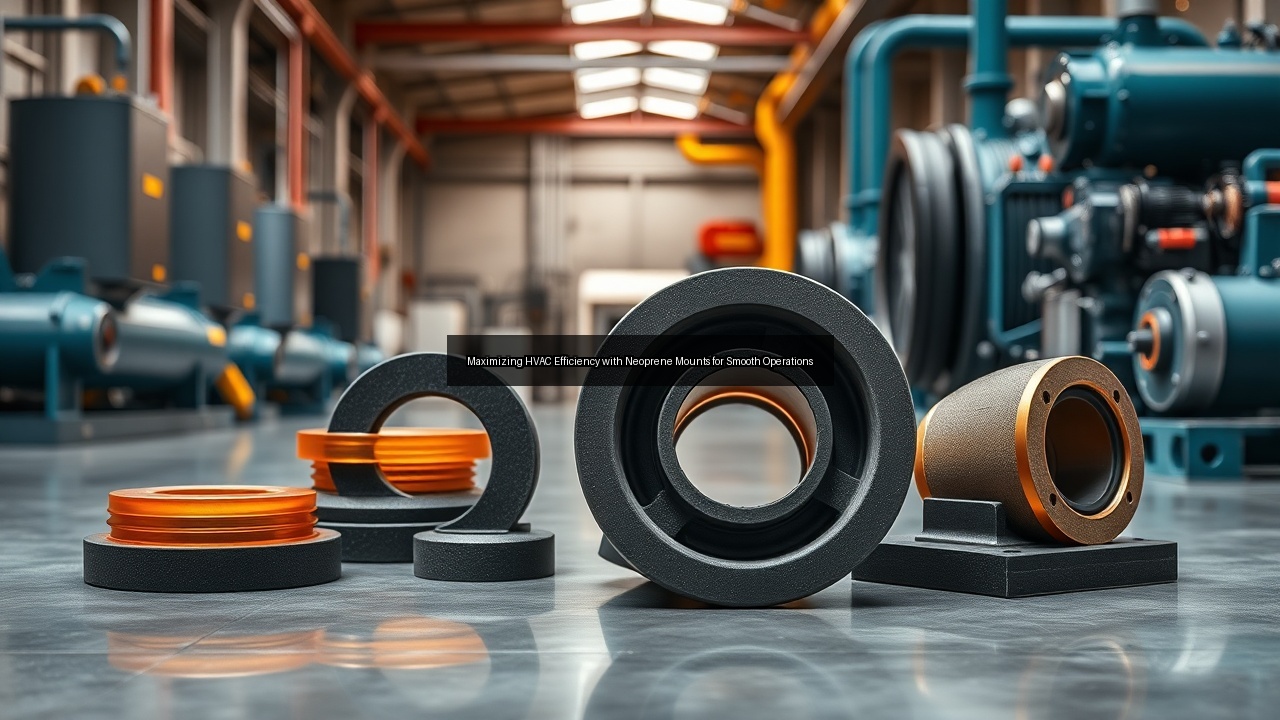
Neoprene mounts serve as durable vibration isolators that secure HVAC equipment to the floor and other surfaces. These components absorb movement from compressors and belt drives while preventing direct metal contact. HVAC neoprene mounts typically feature a sandwich design with elastomeric layers that handle both compression and shear forces. Technicians install them under units to stabilize operations and reduce transmitted noise. The material resists oil, ozone, and temperature swings common in mechanical rooms. Related products include neoprene pads and neoprene hangers that support ductwork and piping. Proper selection ensures compatibility with various load ratings and mounting configurations found in commercial and residential systems.
Key Benefits of Neoprene in HVAC Systems
Neoprene delivers consistent performance as a vibration isolator across demanding HVAC environments. It maintains flexibility at low temperatures and withstands repeated cycles without cracking. HVAC neoprene mounts lower operational noise levels and protect sensitive components such as clutches and gears from excessive stress. The material also resists degradation from refrigerants and cleaning chemicals. Installers appreciate neoprene vibration isolation mounts for their long service life and minimal maintenance requirements. Compared with rigid alternatives, these mounts improve overall system reliability by reducing fatigue on tubings and connections. Facilities report fewer callbacks after switching to properly sized neoprene solutions.
Types of Neoprene Mounts Used in HVAC
Common options include neoprene rubber mounts, neoprene isolation mounts, and self adhesive neoprene pads. Plate-style mounts handle heavier compressor loads while cup mounts suit lighter fans and motors. HVAC neoprene mounts come in various durometers to match specific rpm ranges and shear requirements. Neoprene foam variants provide extra cushioning for rooftop units exposed to wind and vibration. Neoprene vibration pads slip under bases for quick retrofits, and neoprene vibration isolators with threaded studs allow precise leveling. Each type addresses unique installation constraints while delivering reliable isolation performance in air handlers, chillers, and packaged units.
The Role of Neoprene Mounts in Enhancing HVAC Efficiency
Vibration Isolation and Noise Reduction
Effective vibration isolation prevents energy loss caused by mechanical shaking. HVAC neoprene mounts decouple equipment from the building structure, stopping vibrations from traveling through floors and walls. This isolation reduces audible noise from compressors operating at varying rpm levels. Neoprene vibration isolation mounts absorb both vertical and horizontal movements generated by unbalanced forces. Facilities experience quieter spaces and fewer tenant complaints after installation. The material also limits resonance that can amplify sound through ductwork. Proper placement of neoprene pads under condensing units further controls structure-borne noise without affecting airflow or cooling capacity.
Impact on Compressor Performance and RPM
Stable mounting directly supports consistent compressor performance. HVAC neoprene mounts keep units level so pistons and scrolls operate at designed rpm without added friction. Excessive movement increases wear on internal parts and raises energy consumption. Neoprene vibration isolators absorb torque reactions during startup and shutdown cycles. Technicians note smoother operation and steadier pressure readings once mounts replace rigid connections. The right durometer prevents excessive deflection that could misalign belt drives or couplings. By controlling shear forces, these mounts help compressors maintain optimal efficiency across seasonal load changes.
How Neoprene Mounts Support Equipment Longevity
Neoprene mounts extend service life by shielding components from constant vibration stress. HVAC neoprene mounts reduce fatigue on welds, fasteners, and electrical connections that otherwise loosen over time. Compressors and motors experience fewer bearing failures when isolated from floor-transmitted vibrations. Neoprene rubber mounts also protect against corrosion by preventing moisture traps at contact points. Regular inspection of neoprene isolation mounts reveals early signs of compression set before performance declines. Facilities that invest in quality mounts report longer intervals between major overhauls and lower replacement costs for clutches, gears, and tubings.
Installation Best Practices for Neoprene Mounts
Choosing the Right Neoprene Size and Type
Correct sizing begins with calculating equipment weight and operating rpm. HVAC neoprene mounts must match both static load and dynamic forces from compressors and fans. Oversized pads reduce isolation effectiveness while undersized units compress fully and transmit vibration. Neoprene vibration pads with higher durometer ratings suit high-shear applications near belt drives. Installers review manufacturer deflection charts to select mounts that achieve 80 percent isolation efficiency. Neoprene foam options work well for lighter rooftop units, while reinforced rubber mounts handle chiller loads. Matching the mount type to the specific HVAC neoprene application prevents premature failure.
Installing Neoprene Mounts for Maximum Effectiveness
Position HVAC neoprene mounts at manufacturer-recommended locations under the equipment base. Level the unit after placement to ensure even weight distribution across all mounts. Neoprene isolation mounts with leveling bolts allow fine adjustment once the system reaches operating temperature. Avoid placing mounts directly over floor joints or expansion seams that could compromise stability. Secure self adhesive neoprene pads to clean surfaces before lowering equipment. Technicians torque fasteners to specified values without over-compressing the neoprene. Proper installation of neoprene vibration isolation mounts maximizes both noise reduction and equipment protection from day one.
Maintenance Tips for Neoprene Isolation Mounts
Inspect HVAC neoprene mounts during routine service visits for signs of cracking, hardening, or permanent compression. Wipe away oil and debris that can accelerate material breakdown. Neoprene vibration pads should retain flexibility; replace any that show flattening or edge splitting. Check mounting hardware for corrosion that could affect load transfer. Seasonal temperature swings may require verification of isolation effectiveness through vibration measurements. Keeping records of mount condition helps predict replacement timing before efficiency drops. Well-maintained neoprene mounts continue to support smooth HVAC operation for many years.
Sustainability and Neoprene in HVAC Applications
The Environmental Benefits of Neoprene
Neoprene contributes to sustainability by extending equipment life and lowering energy waste from vibration losses. HVAC neoprene mounts reduce the frequency of component replacements, decreasing landfill contributions from failed compressors and motors. The material itself offers long-term durability that aligns with green building goals. Neoprene vibration isolation mounts maintain performance without requiring frequent chemical treatments or coatings. Facilities pursuing LEED certification often select these mounts to demonstrate reduced operational impact. Proper isolation also cuts indirect emissions tied to higher energy use from inefficient equipment.
Comparing Neoprene to Other Mounting Materials
Neoprene outperforms natural rubber in oil resistance and temperature stability within HVAC environments. Unlike rigid steel mounts, neoprene vibration isolators absorb energy rather than transfer it. Elastomeric alternatives may offer similar deflection but often lack neoprene’s proven track record in compressor applications. Neoprene rubber mounts resist ozone cracking better than many synthetic options, making them suitable for outdoor installations on trucks and trailers. Cost comparisons show neoprene pads deliver strong value when lifecycle maintenance and replacement expenses are considered. Engineers continue to favor neoprene for its balance of performance, availability, and environmental resilience.
Innovative Uses of Neoprene in Trucks and Trailers
HVAC systems in trucks and trailers rely on neoprene mounts to handle road-induced vibrations. Neoprene vibration pads secure cab-mounted units while allowing for thermal expansion. Reinforced neoprene mounts absorb shear forces from sudden stops and turns without damaging compressors or clutches. Self adhesive versions simplify installation in tight mobile spaces. These applications demonstrate neoprene’s versatility beyond stationary buildings. Neoprene foam inserts further cushion sensitive electronics in transport refrigeration units. The same isolation principles that benefit commercial HVAC systems enhance reliability for mobile cooling equipment.
Future Trends in HVAC Mounting Solutions
The Evolution of Elastomeric Mounts
Elastomeric technology continues to advance with improved neoprene compounds that offer greater deflection ranges. HVAC neoprene mounts now incorporate hybrid constructions that combine foam cores with denser outer layers. These developments allow finer tuning of isolation characteristics for specific rpm profiles. Manufacturers test new formulations for enhanced resistance to refrigerants and cleaning agents. The evolution supports higher efficiency targets by further reducing energy lost to vibration. Neoprene remains central to these improvements because of its proven balance of elasticity and durability in demanding environments.
Integrating Smart Technology with Neoprene Solutions
Future HVAC neoprene mounts may embed sensors that monitor compression and vibration levels in real time. Data from neoprene vibration isolation mounts could alert technicians to developing issues before efficiency declines. Smart integration allows systems to adjust operating parameters based on mount performance feedback. Neoprene pads with embedded indicators simplify visual inspections during service calls. This combination of traditional isolation materials and digital oversight promises extended equipment life and optimized energy use. Early adopters already explore wireless options for critical compressor applications.
Potential Developments in Neoprene Foam and Vibration Isolation
Research focuses on neoprene foam with tailored cell structures that enhance acoustic absorption alongside vibration control. HVAC neoprene mounts using advanced foam may achieve higher isolation percentages at lower profiles. New curing processes could extend service life in extreme temperature and humidity conditions. Neoprene vibration pads with improved shear resistance will support higher rpm equipment without increased footprint. These innovations build on established benefits while addressing emerging efficiency and sustainability requirements. Continued material science progress ensures neoprene stays relevant in next-generation mounting solutions.