Why Compression Molding Services Are Essential for Manufacturing Success
Understanding Compression Molding Services
Overview of the Compression Molding Process
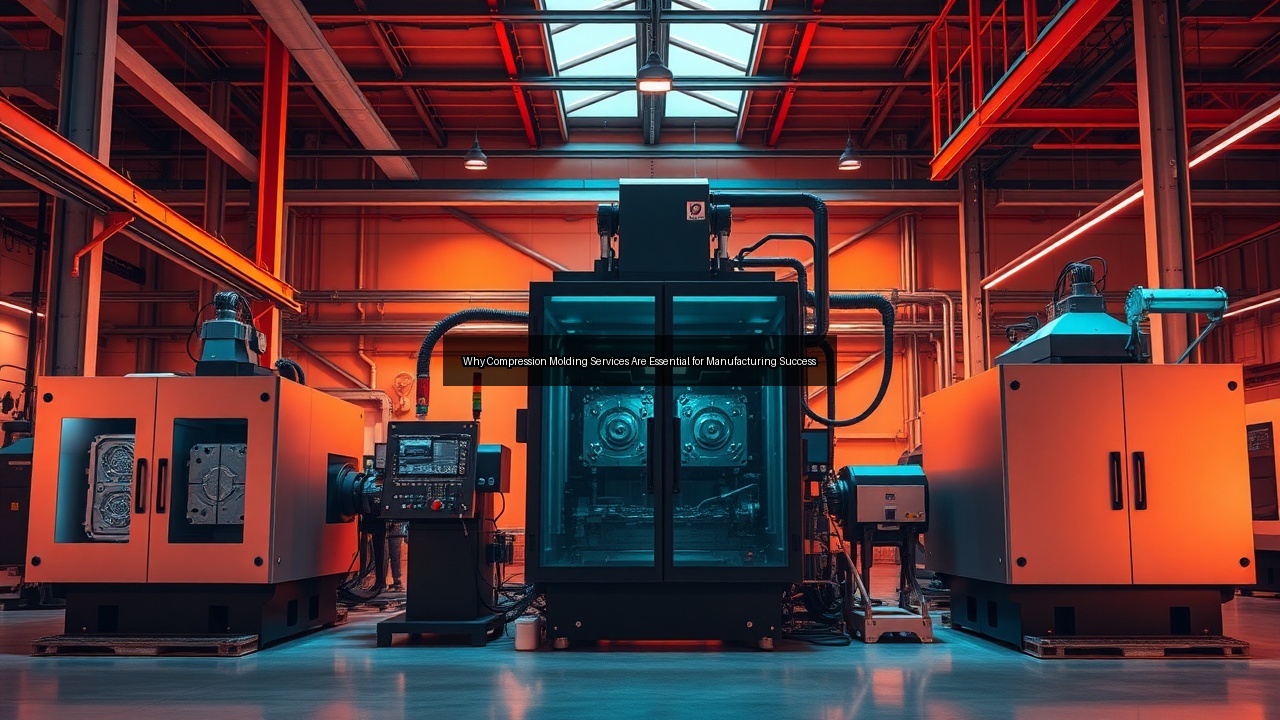
Compression molding involves placing a specific amount of raw material into a heated mold cavity. The design of the mold plays a crucial role, as it determines the shape and dimensions of the final product. Once the material is placed within the mold, the equipment applies pressure to transform it into the desired form. This process is widely used for creating both thermosetting and thermoplastic materials, making it versatile for various applications. The heat and pressure work in tandem to cure the material, ensuring it takes on the intended shape and properties. Understanding this process is fundamental for businesses aiming for efficiency and quality in manufacturing.
Key Advantages of Compression Molding
Compression molding offers numerous advantages that make it a preferred choice for manufacturers. First, it delivers high production rates, allowing companies to produce large quantities of parts quickly. The cost-effectiveness of this method is also notable, as it requires less material waste compared to other methods like plastic injection molding. Additionally, compression molding accommodates intricate designs, providing flexibility in product development. The process also enhances the strength and durability of molded products, which is essential for industries that demand high reliability. Overall, the unique benefits of compression molding services contribute to an efficient and effective manufacturing process.
Differences Between Compression Molding and Injection Molding
While both compression molding and injection molding serve similar purposes in manufacturing, they differ significantly in execution and outcomes. Compression molding relies on heat and pressure to form materials within a mold, while injection molding injects molten plastic into a mold under high pressure. This distinction leads to variations in cycle times, with compression molding generally taking longer due to the curing process. Additionally, compression molding is more suited for larger, thicker parts, whereas injection molding excels in producing thinner, more intricate designs. Understanding these differences is vital for manufacturers when selecting the most appropriate molding technique for their products.
Applications of Compression Molding in Manufacturing
Industries Utilizing Compression Molding
Many industries leverage compression molding services due to their efficiency and versatility. The automotive sector frequently employs this process for manufacturing components like bumpers, dashboards, and interior panels. In the aerospace industry, compression molded parts contribute to weight reduction and enhanced performance. The electrical and electronics sectors utilize compression molding for producing insulators and housings. Additionally, the medical industry relies on this process for creating durable, precision components that meet stringent regulatory standards. Overall, the wide-ranging applications of compression molding showcase its importance across diverse manufacturing landscapes.
Common Products Manufactured via Compression Molding
Compression molding produces a vast array of products across different industries. Common items include automotive parts, such as fenders and body panels, which require strength and durability. Household items like kitchenware, electronic casings, and even toys often come from compression molding processes. The ability to create complex shapes with minimal waste makes this method ideal for producing seals, gaskets, and rubber components. Furthermore, companies utilize compression molding to manufacture custom designs, allowing for tailored solutions that meet specific customer needs. The diversity of products highlights the importance of compression molding in modern manufacturing.
The Role of Compression Molding in Custom Design
Compression molding services play a significant role in custom design, enabling manufacturers to create unique products tailored to specific requirements. This flexibility allows for the integration of various materials, colors, and finishes, enhancing the overall aesthetic and functional properties of the final product. Designers can collaborate with compression molding suppliers to develop molds that meet precise specifications, resulting in innovative solutions. Furthermore, the ability to rapidly prototype using compression molding accelerates the design process, enabling quicker adjustments and iterations. Custom design through compression molding fosters creativity and innovation, essential for staying competitive in today’s market.
Choosing the Right Compression Molding Company
Factors to Consider When Selecting a Compression Molding Supplier
Selecting the right compression molding company is crucial for achieving manufacturing success. Start by evaluating the supplier's experience and reputation in the industry. A company with a solid track record is more likely to deliver quality results. Consider the range of services offered, including custom design capabilities and material options. Another important factor is the supplier's adherence to industry standards and certifications, which ensures reliability and compliance with regulations. Additionally, assess the company's ability to meet your specific production timelines and volume requirements. These factors collectively contribute to a successful partnership with a compression molding supplier.
Evaluating Compression Molding Machines and Equipment
The quality of compression molding services largely depends on the machines and equipment used. When choosing a supplier, investigate the types of compression molding machines they operate. Modern machines equipped with advanced technology can enhance precision and efficiency. Look for suppliers that utilize machines capable of handling various materials and configurations, as this versatility can lead to better product outcomes. Additionally, inquire about the maintenance practices of the equipment, as well-maintained machines contribute to consistent quality and reduced downtime. Evaluating these elements helps ensure the supplier can meet your production needs effectively.
Importance of Reliability and Specifications in Compression Molding Services
Reliability in compression molding services is non-negotiable for successful manufacturing. A reliable supplier ensures consistent product quality, minimizing defects and rework costs. Examine the supplier's commitment to meeting specifications, as this directly impacts the performance and functionality of the molded products. Request samples and conduct quality checks to assess their adherence to your design requirements. Furthermore, transparency regarding production processes and timelines fosters trust between manufacturers and suppliers. A reliable compression molding company collaborates closely with clients to ensure every aspect of the production meets expectations, ultimately contributing to manufacturing success.
Future Trends in Compression Molding
Innovations in Compression Molding Processes
The future of compression molding services looks promising, driven by ongoing innovations in processes and technologies. Advances in mold design and materials have led to improved efficiency and product quality. Companies are increasingly adopting automation and robotics to streamline the compression molding process, reducing labor costs and enhancing precision. Additionally, the integration of smart technology allows for real-time monitoring of production processes, facilitating proactive adjustments. As manufacturers embrace these innovations, compression molding will continue to evolve, offering enhanced capabilities and driving greater manufacturing success.
Sustainability and Compression Molding
Sustainability has become a significant focus in manufacturing, and compression molding services are no exception. The industry is moving towards eco-friendly materials and processes, reducing waste and energy consumption. Manufacturers are exploring bio-based and recyclable materials for compression molded products, aligning with global sustainability goals. Furthermore, optimizing the compression molding process reduces energy usage during production, contributing to a lower carbon footprint. Embracing sustainable practices not only meets consumer demand for environmentally friendly products but also enhances the reputation of manufacturers in the marketplace.
The Impact of Pressure and Material Advances on Compression Molded Products
Advancements in materials and pressure application techniques continue to shape the future of compression molded products. Innovations in material science have led to the development of high-performance polymers that exhibit superior strength and thermal resistance. These materials allow manufacturers to create lighter, more durable products that meet stringent performance standards. Additionally, optimizing pressure application during the compression molding process enhances the quality of the final product, ensuring uniform density and reduced defects. As these advancements unfold, compression molding services will become increasingly vital in meeting the demands of modern manufacturing.
See Also
- Unveiling the Secrets of Compression Molding Services for Innovative Product Design
- Exploring Insert Molding Techniques in the Context of Compression Molding
- A Deep Dive into the Compression Molding Process and Its Advantages
- Innovative Approaches to Compression Molding for Sustainable Manufacturing
- Exploring the Versatility of Compression Molded Products in Various Industries