The Benefits of Using Plastic Oil Storage Containers
Understanding Oil Storage Containers
What Are Oil Storage Containers?
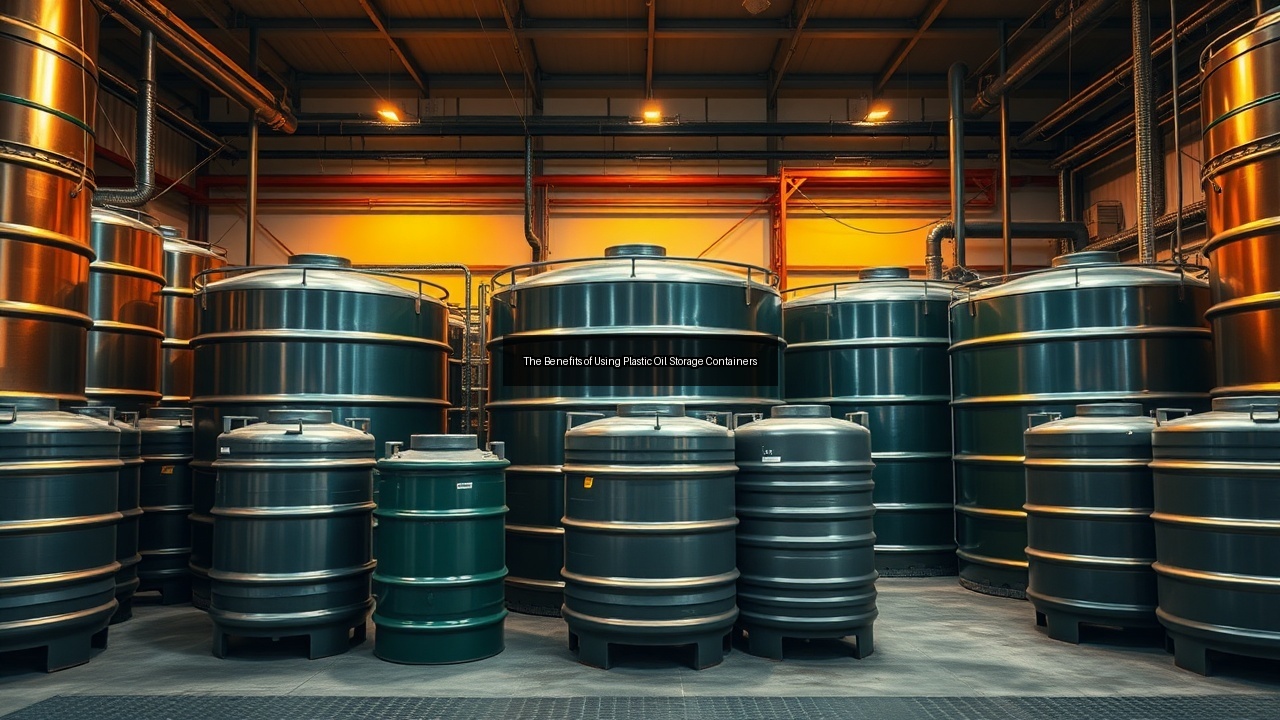
Oil storage containers hold various grades of oil safely for extended periods. These vessels keep lubricants, fuels, and industrial fluids secure against leaks or contamination. Users rely on them in workshops, farms, and factories to maintain steady supplies without frequent refills. Plastic versions stand out because they resist rust while offering clear visibility of levels inside. Proper selection prevents spills that damage equipment or environments. Many operators choose containers sized in gallons to match consumption rates exactly. This approach reduces waste and supports consistent operations across shifts.
Types of Oil Storage Containers
Containers for storing oil come in several forms suited to different volumes and settings. Drums provide portable options for smaller quantities, while larger tanks handle bulk needs in commercial facilities. Plastic oil storage containers often feature stackable designs that save floor space. Metal alternatives exist but require extra coatings for protection. Gravity feed models dispense oil directly into machinery without pumps. Operators match the type to their workflow, whether for daily lubrication tasks or seasonal storage. Each style addresses specific handling challenges like weight limits or transport frequency.
Key Features of Plastic Oil Containers
Plastic oil containers include UV stabilizers that prevent degradation from sunlight exposure. Reinforced walls withstand impacts during transport or stacking. Threaded lids create tight seals that block moisture and dust. Many models incorporate handles or grips for one-person movement. Translucent walls allow quick visual checks of remaining oil without opening the container. These features combine to extend service life while simplifying daily use. Facilities report fewer maintenance issues when switching from rigid materials to durable plastic designs.
Advantages of Using Plastic Oil Storage Containers
Durability and Longevity
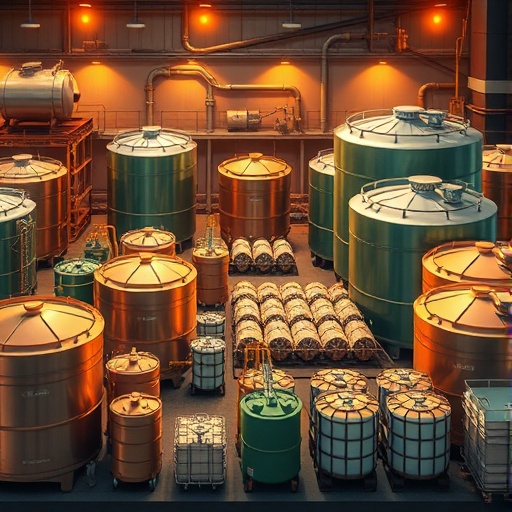
Plastic oil storage containers endure repeated handling without cracking or denting. High-density polyethylene resists abrasion from rough surfaces or tools. Manufacturers test these tanks against extreme temperatures that would warp lesser materials. Users achieve years of reliable service before replacement becomes necessary. The material flexes slightly under pressure instead of fracturing like brittle alternatives. This resilience cuts replacement costs and downtime in busy operations. Proper care further extends lifespan across multiple seasons of use.
Lightweight Design for Easy Handling
Workers move plastic oil storage containers with less effort than comparable metal units. Reduced weight lowers injury risks during lifting or repositioning. Forklift operators transport multiple units in single trips without exceeding load limits. Empty containers stack neatly for storage or return shipping. This design speeds up inventory rotations in warehouses and garages. Facilities gain flexibility when rearranging layouts because plastic tanks require fewer personnel to relocate.
Cost-Effectiveness Compared to Metal Tanks
Plastic oil storage containers cost less upfront than equivalent steel or aluminum tanks. Lower shipping expenses result from reduced weight during delivery. No painting or rustproofing treatments add ongoing expenses over time. Buyers recover initial investment faster through decreased maintenance and replacement cycles. Volume discounts apply to larger orders of standard sizes measured in gallons or liters. Overall ownership expenses stay lower across residential and industrial applications alike.
Resistance to Corrosion and Chemicals
Plastic oil storage containers withstand aggressive additives found in modern lubricants without pitting or thinning. Acids and solvents common in industrial fluids leave the surfaces intact. This resistance eliminates the need for internal linings required by metal tanks. Operators store varied products in the same container without cross-contamination worries. Chemical stability supports compliance with strict handling protocols in regulated industries. Long-term exposure tests confirm consistent performance even with frequent fluid changes.
Safety and Compliance Considerations
Regulatory Standards for Oil and Gas Storage
Oil and gas storage regulations require containers to meet specific leak prevention and labeling criteria. Plastic oil storage containers often satisfy these rules when certified by recognized testing bodies. Facilities document capacity in gallons or liters to align with reporting requirements. Inspectors verify secondary containment features that contain potential spills. Compliance reduces liability during audits and insurance reviews. Operators consult resources such as OnePetro for updated guidance on approved materials and configurations.
Fire Safety Measures for Oil Storage Tanks
Oil storage tanks made from plastic incorporate flame-retardant additives that slow ignition spread. Placement away from heat sources and electrical panels further reduces fire risks. Grounding straps prevent static buildup during filling operations. Emergency shutoff valves integrate easily with plastic designs for rapid response. Regular inspections check for stress cracks that could compromise integrity. These measures protect personnel and property while maintaining operational continuity.
Best Practices for Handling and Storing Oil
Store oil containers on stable surfaces that prevent tipping during access. Label each tank clearly with contents and date of last fill. Rotate stock using oldest oil first to maintain quality. Keep plastic oil storage containers away from direct flame or welding areas. Train staff on proper lifting techniques to avoid spills. Schedule periodic checks for seal integrity and wall thickness. These steps minimize waste and ensure safe, efficient lubrication management across sites.
Applications of Plastic Oil Storage Containers
Home and Residential Use
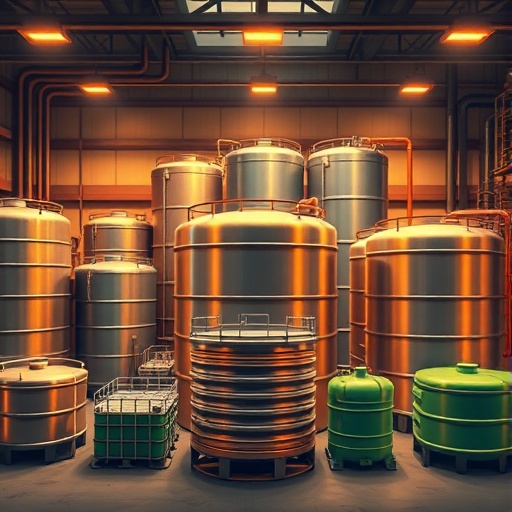
Homeowners use plastic oil storage containers for heating oil or generator fuel. Compact sizes fit garages or sheds without occupying premium space. Clear walls let residents monitor levels before ordering refills. Lightweight construction allows easy movement for seasonal adjustments. Many models include spigots that simplify pouring into smaller cans. Residential users appreciate leak-proof designs that protect floors and driveways from stains.
Industrial and Commercial Applications
Factories rely on plastic oil storage containers to supply assembly lines with hydraulic fluids. Commercial fleets keep engine oil on hand for quick top-ups. Bulk tanks measured in hundreds of gallons support continuous production schedules. Plastic construction resists impacts from forklifts common in busy warehouses. Companies reduce downtime by positioning containers near machinery for immediate access. Scalable options accommodate growth without major infrastructure changes.
Lubricants and Other Fluids Storage
Plastic oil storage containers preserve lubricant quality by blocking light and air exposure. Workshops store multiple viscosities in separate marked units for organized access. The material handles both petroleum and synthetic fluids without degradation. Facilities consolidate storage of coolants and hydraulic oils in compatible plastic tanks. This approach streamlines inventory tracking and reduces cross-contamination incidents. Consistent performance supports precise lubrication programs that extend equipment life.
Gravity Feed Systems for Efficient Dispensing
Gravity feed setups with plastic oil storage containers deliver oil directly to points of use. Elevated tanks release fluids through hoses without electric pumps. Operators control flow rates accurately for filling small reservoirs or drums. This method cuts energy costs and simplifies maintenance in remote locations. Plastic tanks resist corrosion that could clog gravity lines over time. Workshops report faster service times when switching to these efficient dispensing arrangements.
Choosing the Right Oil Storage Container
Determining Capacity: Gallons, Quarts, and Liters
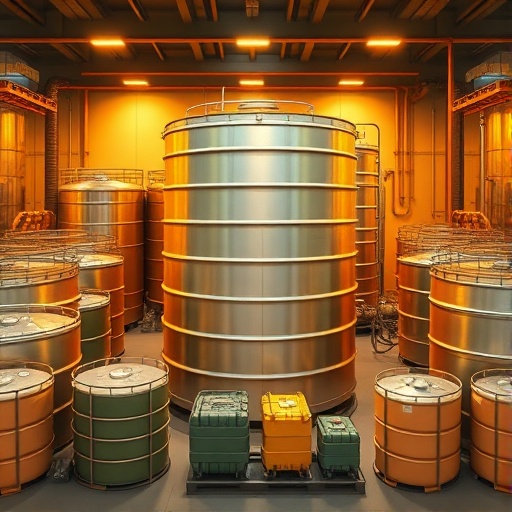
Calculate daily or weekly oil consumption to select appropriate tank sizes. Gallons suit larger operations while quarts work for portable needs. Liter markings help international users standardize measurements. Oversized containers lead to stagnation, while undersized ones require frequent refills. Plastic oil storage containers offer graduated scales for precise monitoring. Match capacity to usage patterns to optimize storage efficiency and reduce handling frequency.
Selecting the Appropriate Container Type: Drums vs. Tanks
Drums provide mobility for smaller lubricant quantities transported between sites. Tanks offer stationary bulk storage with higher capacities. Plastic versions of both types feature reinforced bases that support stacking. Evaluate workflow demands before choosing between drum and tank formats. Many facilities combine both for flexible inventory management. Proper selection prevents bottlenecks during peak demand periods.
Essential Accessories for Plastic Oil Containers
Spigots and pumps attach securely to plastic oil storage containers for controlled dispensing. Cages provide added protection during outdoor placement. Level gauges offer remote monitoring without opening lids. Adapters connect hoses for gravity feed systems. Choose accessories rated for the specific oil type to maintain seal integrity. These additions enhance safety and convenience across residential and industrial settings.