The Essential Role of Sanitary Valves in Ensuring Food Safety
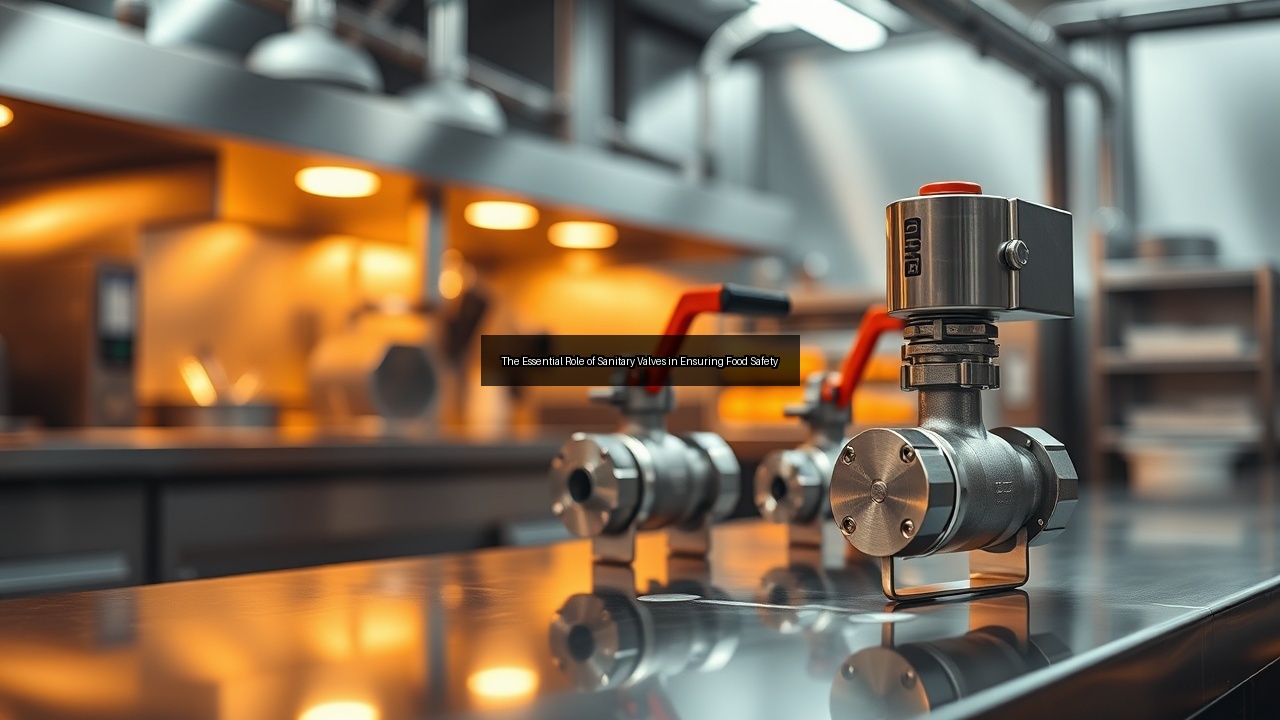
Understanding Sanitary Valves in the Food Processing Industry
What are Sanitary Valves?
Sanitary valves form the backbone of clean operations in the food processing industry. These specialized components feature polished stainless steel bodies, crevice-free interiors, and smooth surfaces that resist bacterial buildup. Manufacturers design them specifically for valves for food processing, where hygiene standards demand frequent cleaning and sterilization. Unlike standard industrial valves, sanitary models incorporate tri-clamp connections and FDA-compliant seals that maintain product purity during transfers of liquids, pastes, and powders. Operators rely on them to handle everything from dairy flows to sauce lines without introducing contaminants. Their quick-disconnect designs speed up maintenance cycles and reduce downtime in busy facilities. In practice, these valves support automated systems that monitor flow rates while preventing leaks that could spoil batches. Food processors choose them because they meet strict hygiene protocols and integrate seamlessly into existing pipelines for consistent performance across shifts.
Importance of Sanitary Valves in Food Safety
Valves for food processing directly protect consumer health by blocking cross-contamination and microbial growth. A single faulty valve can introduce pathogens into otherwise sterile lines, triggering costly recalls and health risks. Sanitary designs eliminate dead legs where residues accumulate, ensuring every drop of product moves cleanly from mixing tanks to fillers. This reliability proves essential when handling high-risk items like milk or juices that support rapid bacterial proliferation. Food and beverage producers gain peace of mind knowing these valves withstand aggressive CIP cycles without degrading seals or gaskets. They also support traceability efforts by maintaining consistent flow that automated sensors track in real time. When facilities upgrade to modern sanitary valves, they cut contamination incidents dramatically and strengthen compliance records. Ultimately, these components deliver the precision needed to uphold brand reputation while meeting rising consumer expectations for safe, high-quality items.
Types of Valves Used in Food Processing
Ball Valves: The Versatile Choice
Ball valves stand out as the versatile choice among valves used in food processing because their full-port design allows unrestricted flow with minimal pressure drop. The spherical closure element rotates smoothly inside a polished cavity, creating a tight seal that prevents leakage even under frequent cycling. Processors favor 316L stainless steel versions for their corrosion resistance when handling acidic beverages or salty brines. These valves excel in both manual and actuated setups, letting operators switch between open and closed positions quickly during batch changes. In high-volume lines, ball valves reduce product holdup that could otherwise lead to spoilage. Their simple construction also simplifies inspection and part replacement, keeping maintenance costs low. Beverage plants often install them upstream of fillers to control ingredient dosing with accuracy. When paired with positioners, they integrate into automated systems that log every actuation for quality audits. Overall, ball valves deliver reliable service across diverse applications while supporting the sanitary standards required in food production environments.
Control Valves for Precise Regulation
Control valves for precise regulation manage flow, pressure, and temperature in demanding food processing applications. These units use pneumatic or electric actuators to adjust opening percentages in response to sensor feedback, maintaining exact setpoints during continuous production. In dairy pasteurization, for example, they modulate steam and product flows to achieve consistent heat treatment without scorching. Stainless steel bodies and FDA-grade elastomers ensure compatibility with edible fluids while resisting wear from abrasive particles in sauces or purees. Food processors gain tighter process control that reduces waste and improves yield. Integration with automated systems allows remote monitoring and rapid response to deviations, preventing off-spec batches. Engineers select globe or diaphragm styles depending on viscosity and cleanliness needs. Regular calibration keeps these valves performing at peak efficiency, supporting both safety and throughput goals. Their role proves critical whenever recipes demand repeatable results across multiple shifts.
Safety Relief Valves: Protecting Your Processes
Safety relief valves protect processes by releasing excess pressure before equipment damage occurs. In food and beverage operations, these valves activate at preset thresholds to safeguard tanks and piping during steam cleaning or thermal expansion events. Sanitary models feature polished internals and non-shedding springs that maintain hygiene even after repeated lifts. Processors mount them on pressure vessels holding hot oils or carbonated drinks, where overpressure could rupture seals and contaminate surrounding areas. Their quick-reset mechanisms minimize product loss while restoring normal operation. Compliance with ASME and FDA guidelines ensures these valves meet both mechanical safety and sanitary requirements. Facilities that test relief valves on scheduled intervals avoid unexpected shutdowns and maintain insurance certifications. By handling sudden surges reliably, they support continuous production and protect workers from hazards associated with high-pressure systems in food processing plants.
Check Valves: Ensuring One-Way Flow
Check valves ensure one-way flow that prevents back-mixing of ingredients or cleaning solutions in food processing lines. Spring-loaded or gravity-operated discs open only when forward pressure exceeds a low threshold, then close instantly to block reverse movement. This function proves vital in CIP systems where residual chemicals must not return into product streams. Sanitary check valves use crevice-free designs and electropolished surfaces that resist biofilm formation. Beverage producers install them after pumps to stop siphoning that could drain tanks overnight. In confectionery lines, they maintain consistent pressure during chocolate transfers, avoiding air pockets that affect texture. Automated systems often pair these valves with flow meters to verify proper directionality in real time. Their maintenance involves simple disassembly for seal inspection, keeping operations efficient. Reliable check valves reduce the risk of quality defects and support the overall integrity of valves for food processing setups.
Applications of Valves in Food and Beverage Processing
Valves in the Beverage Industry
Valves in the beverage industry handle carbonation, filtration, and filling with precision that preserves taste and shelf life. Ball valves control CO2 injection into soft drinks, while control valves regulate syrup blending ratios. Safety relief valves protect carbonators from over-pressurization, and check valves stop backflow during bottle rinsing. Beverage plants run these components continuously under strict sanitary conditions to avoid flavor cross-contamination between batches. Automated systems monitor valve positions and flow data to maintain consistent product quality across high-speed lines. Stainless steel construction resists acidic juices and alkaline cleaners alike. Processors upgrade older valves to newer sanitary designs that reduce leakage and improve cleanability. This investment pays off through fewer rejects and stronger compliance with hygiene audits. Effective valve management directly influences throughput and brand consistency in competitive beverage markets.
Valves for Baked Goods and Confectionery
Valves for baked goods and confectionery manage viscous batters, chocolate, and fillings that demand gentle handling to preserve texture. Diaphragm control valves meter precise amounts into molds without introducing air that could ruin aeration in cakes. Ball valves isolate mixing tanks during recipe changes, while check valves prevent settling in heated pipelines. Sanitary designs withstand the frequent washdowns required around flour dust and sugar residues. Confectionery lines rely on temperature-rated valves that keep chocolate fluid during transfers to enrobers. Automated systems coordinate valve timing with depositors for uniform portioning. Maintenance teams inspect seals regularly because sugar crystallization can accelerate wear. By selecting the right valves for food processing, manufacturers reduce downtime and maintain the visual appeal that drives consumer purchases. These components support both small-batch artisan production and large-scale industrial output.
Fluid Control in Food Packaging
Fluid control in food packaging ensures accurate filling of pouches, cartons, and bottles while minimizing waste. Control valves adjust flow rates to match container speeds on high-speed lines, and ball valves provide quick shutoff between runs. Safety relief valves guard against pressure spikes in hot-fill applications, while check valves maintain prime in suction lines. Food packaging operations integrate these valves into automated systems that log fill volumes for traceability. Sanitary finishes prevent product buildup that could harbor bacteria near sealing stations. Processors benefit from reduced spillage and cleaner work areas that support overall facility hygiene. Regular calibration keeps valve response times tight, preserving production efficiency. When facilities optimize fluid control, they achieve higher yields and lower material costs across diverse packaging formats.
Compliance and Standards in Sanitary Valve Usage
FDA Regulations for Food Processing Valves
FDA regulations for food processing valves require materials and surfaces that contact edible products to meet strict purity and cleanability criteria. 21 CFR parts covering food contact substances mandate 316 stainless steel construction and non-toxic elastomers that withstand repeated sanitization. Facilities must document valve materials, installation, and maintenance to demonstrate compliance during inspections. Sanitary valves help processors satisfy these rules by eliminating harborage points where pathogens could multiply. Auditors review cleaning validation records and material certificates to confirm ongoing adherence. Non-compliant valves trigger warning letters or production halts that damage operations. Staying current with evolving FDA guidance allows companies to adopt improved designs proactively. Proper valve selection therefore forms a core element of any robust food safety plan.
Ensuring Quality Control Through Automated Systems
Automated systems strengthen quality control by continuously monitoring valve performance and process parameters in food processing environments. Sensors track position, pressure, and temperature, alerting operators to deviations before they affect product safety. Integration with PLCs enables recipe-driven valve sequencing that reduces human error during changeovers. Data logs support traceability requirements and help identify wear patterns that signal maintenance needs. Beverage and dairy plants especially benefit from real-time dashboards that display valve status across entire lines. These systems also facilitate predictive maintenance that prevents unexpected failures during peak production. By combining sanitary valves with intelligent automation, processors achieve consistent output that meets both regulatory and customer specifications. The result is higher uptime and stronger confidence in every batch released.
Best Practices for Selecting and Maintaining Sanitary Valves
Factors to Consider When Choosing Valves for Food Processing
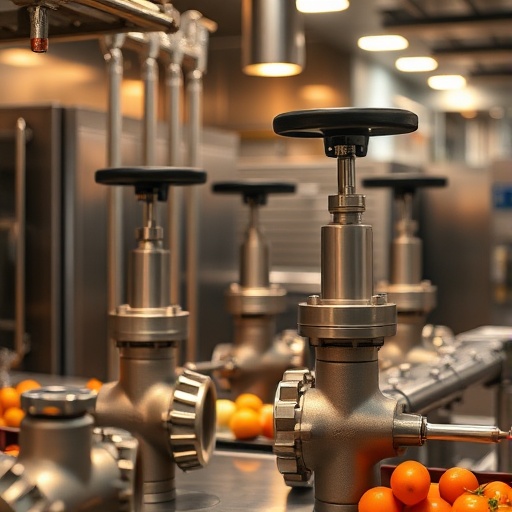
Selecting valves for food processing requires evaluating material compatibility, cleanability, and operational demands. Processors start with 316L stainless steel bodies and FDA-approved gaskets that resist the specific fluids and cleaners in use. They assess flow characteristics to minimize pressure loss and product degradation. Actuation type matters for integration with existing automated systems, while connection styles must match pipeline standards. Budget considerations include long-term maintenance costs alongside initial purchase price. Reviewing supplier documentation on surface finishes and traceability ensures valves meet sanitary benchmarks. Pilot testing in actual conditions reveals performance under real loads. Thoughtful selection reduces the risk of contamination events and supports efficient production schedules across food and beverage facilities.
Maintenance Tips for Optimal Performance
Maintenance tips for optimal performance emphasize scheduled inspections and proactive part replacement. Teams disassemble valves during planned shutdowns to check seals, seats, and stems for wear or pitting. They document findings in logs that track service life and predict replacement intervals. CIP procedures must reach every internal surface, so operators verify flow patterns after reassembly. Lubricants approved for food contact prevent seizing without introducing contaminants. Training programs teach technicians proper handling to avoid damaging polished finishes. Facilities that follow these practices extend valve longevity and maintain the hygiene levels demanded by food safety standards. Consistent upkeep protects both equipment investment and product integrity throughout the processing chain.
See Also
- Innovative Solutions for Baked Goods Production Using Specialized Valves
- Unlocking the Potential of Fluid Control in the Food and Beverage Sector
- Exploring FDA Compliance in Food Processing Valve Design
- The Impact of Automated Systems on Valve Solutions in Food Processing
- Boosting Production Quality in Confectionery with Precision Valves