The Future of Manufacturing with Custom Blow Molding Technologies
Introduction to Custom Blow Molding Technologies
Custom blow molding technologies reshape modern manufacturing by enabling precise production of plastic components tailored to specific needs. Manufacturers leverage these methods to create everything from lightweight bottles to durable containers, driving efficiency and innovation across industries. As demand for personalized products surges, custom blow molders stand at the forefront, integrating advanced processes that balance cost, quality, and scalability.
Overview of Blow Molding Processes
Blow molding forms the backbone of plastic container production, where molten plastic takes shape inside a mold through air pressure. Workers heat polymers until they soften, then extrude or inject the material into a die. Air inflates the parison— the hollow tube of plastic— against the mold walls, creating seamless structures ideal for packaging. This process excels in high-volume runs, producing blow molded products like jugs and tanks with uniform wall thickness. Variations include extrusion blow molding for simple shapes and injection blow molding for precision necks. Custom blow molders refine these steps, adjusting temperatures and pressures to meet unique specifications. In a typical manufacturing plant, machines cycle rapidly, cooling the plastic before ejection. Engineers monitor the blow molding machine to ensure consistency, minimizing defects like thin walls or uneven seams. This foundational technique powers industries reliant on lightweight, airtight containers, from beverages to chemicals. As custom blow molder variations evolve, they incorporate digital controls for faster setups and reduced waste, making the process more accessible to smaller manufacturers. Overall, blow molding's versatility underscores its role in everyday plastics, with custom adaptations pushing boundaries in design and functionality.
Importance of Customization in Manufacturing
Customization elevates manufacturing from mass production to tailored solutions, allowing companies to meet diverse customer demands efficiently. In blow molding, a custom blow molder crafts molds specific to client blueprints, ensuring products fit exact dimensions and tolerances. This approach cuts excess material use and boosts product performance, such as stronger walls for heavy-duty applications. Manufacturers gain a competitive edge by offering bespoke options, like branded bottle shapes or specialized caps, fostering brand loyalty among consumers. For instance, a custom plastic blow molder can produce limited-edition packaging that aligns with marketing campaigns, enhancing shelf appeal. The shift toward customization stems from global supply chains demanding flexibility; off-the-shelf molds no longer suffice for niche markets. Engineering teams collaborate closely with customers during the RFQ process, translating ideas into viable molds via CAD software and prototyping. This personalization reduces inventory costs and speeds time-to-market. Moreover, customized blow molding supports sustainability by optimizing designs for recyclability. As industries like food and electronics seek unique protective casings, custom molders deliver innovation that standard processes can't match. Ultimately, customization transforms manufacturing plants into hubs of creativity, where a custom product molder turns visions into reality.
Current Trends in Blow Molding
Blow molding trends lean toward smarter, greener operations as manufacturers adopt digital twins and IoT sensors for real-time monitoring. Custom blow molding sees a surge in hybrid techniques, blending traditional extrusion with 3D-printed molds for rapid prototyping. Companies prioritize lightweight designs to cut shipping costs, using advanced polymers that maintain strength in thinner walls. Sustainability drives the shift to bio-based plastics, with blow molded products now incorporating recycled content without compromising quality. Automation integrates seamlessly, allowing blow molding machines to self-adjust for variations in resin viscosity. Leading custom blow molders in places like Green Bay invest in multi-cavity molds, boosting output by 30% or more. The rise of e-commerce fuels demand for custom container molders, creating protective packaging for fragile goods. Industry experts note a 15% annual growth in customized molding, spurred by consumer preferences for eco-friendly options. Variations like blower molder systems handle complex geometries, expanding applications beyond bottles to automotive parts. As supply chain disruptions persist, localized manufacturing plants emphasize agile custom blow molder variations. These trends not only enhance efficiency but also position blow molding as a pillar of resilient, innovative production.
Types of Blow Molding Techniques
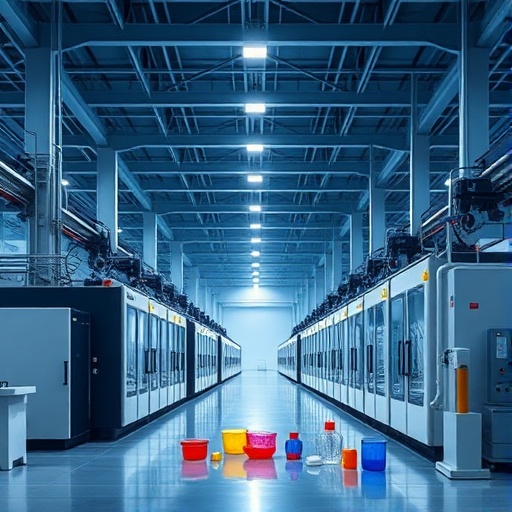
Manufacturers select blow molding techniques based on product complexity, volume, and material properties, each offering distinct advantages in custom applications. From basic extrusion to advanced stretch methods, these variations enable precise control over shape, thickness, and finish, catering to diverse industry needs.
Extrusion Blow Molding: A Deep Dive
Extrusion blow molding starts with a screw extruder pushing molten polymer through a die to form a parison, which air then expands against the mold cavity. This technique shines in producing large, hollow items like plastic bottles and drums, where uniform wall distribution ensures durability. Operators calibrate the parison head for consistent thickness, preventing weak spots that could lead to leaks. Custom blow molders excel here by designing multi-layer dies for barrier properties, ideal for food-grade containers. In a bustling manufacturing plant, the process cycles in seconds: extrusion, clamping, blowing, and cooling. Variations include continuous extrusion for high-speed runs and intermittent for intricate shapes. Machining precision in mold creation allows for textured surfaces or integrated handles, enhancing usability. Compared to injection methods, extrusion blow molding offers lower tooling costs, making it accessible for startups. Experts recommend it for consumer products requiring seamless construction, as the parison drop eliminates weld lines. As custom plastic molder demands grow, advancements like servo-controlled parison programming refine wall sections, optimizing material use. This deep dive reveals extrusion's reliability, powering blow molded products that dominate packaging shelves worldwide.
Injection Blow Molding vs. Injection Stretch Blow Molding
Injection blow molding injects preforms into a mold, then transfers them to a blow station for inflation, yielding precise necks and threads for bottles. This method suits small to medium volumes, like pharmaceutical vials, where accuracy trumps speed. Conversely, injection stretch blow molding adds a stretching rod to elongate the preform, creating oriented structures that boost clarity and strength in PET plastic bottles. Custom blow molders favor stretch for carbonated drinks, as it resists deformation under pressure. The injection phase demands high-precision machines to form consistent preforms, while blowing ensures even wall expansion. In head-to-head, injection blow molding costs less for prototypes but scales slower than stretch, which handles millions of units daily. Manufacturers in Green Bay often combine both for hybrid lines, adapting to customer RFQs. Stretch variants incorporate robotics for faster transfers, reducing cycle times by 20%. For custom molded products, injection excels in opaque plastics, while stretch dominates transparent applications. Engineering tweaks, like mold temperature controls, fine-tune these processes. Ultimately, choosing between them hinges on product specs: precision for injection, volume and clarity for stretch, both advancing custom blow molder capabilities.
Thermoforming and Its Role in Packaging
Thermoforming heats plastic sheets and vacuums them over molds, complementing blow molding by forming trays and lids with sharp details. In packaging, it pairs with blow molded bases for clamshell designs, securing consumer products during transit. Custom blow molders integrate thermoforming for multi-material assemblies, like foamed interiors with rigid exteriors. The process unfolds in steps: heating, forming, trimming, and stacking, all automated for efficiency. Thin-gauge thermoforming suits disposable items, while heavy-gauge handles durable cases for electronics. Manufacturers value its low-pressure nature, which preserves sheet integrity for intricate patterns. In food packaging, thermoforming ensures tamper-evident seals, aligning with safety standards. Custom plastic blow molder variations extend to hybrid lines where thermoformed components nest inside blow molded containers. This synergy reduces weight and volume, cutting logistics costs. Experts highlight its speed—up to 1,000 cycles per hour—making it ideal for seasonal demands. Sustainability trends push recycled sheets into thermoforming, mirroring blow molding's green shift. As packaging evolves, thermoforming's versatility solidifies its role, enabling custom molder innovations that protect and present products effectively.
Advancements in Custom Blow Molding Machines
Custom blow molding machines evolve rapidly, incorporating AI-driven controls and modular designs that enhance precision and adaptability. These advancements empower manufacturers to tackle complex projects, from micro-parts to oversized molds, while slashing energy use and downtime.
Automation in Blow Molding: Efficiency Redefined
Automation revolutionizes blow molding by integrating robots and sensors that handle parison insertion, mold clamping, and part ejection without human intervention. In a modern manufacturing plant, PLC systems orchestrate the blow molding process, adjusting parameters on the fly for optimal wall thickness. Custom blow molders deploy vision systems to detect defects, diverting flawed blow molded products before packaging. This efficiency cuts labor costs by 40% and boosts throughput to thousands of units hourly. Robotic arms swap molds in minutes, enabling quick switches for custom runs. For variations like extrusion blow molding, automated trim stations ensure clean edges, reducing post-processing. Leading companies in Green Bay equip machines with predictive maintenance, using data analytics to foresee breakdowns. Customers benefit from faster RFQs and prototypes, as automation shortens lead times. In injection stretch blow molding, servo motors fine-tune stretch ratios for consistent polymer orientation. Overall, this redefinition of efficiency transforms plants into lean operations, where custom blow molder variations deliver high-quality output with minimal waste. Automation not only speeds production but also elevates safety, freeing workers for oversight roles.
Leading Edge Technologies in Custom Molding
Leading edge technologies in custom molding harness 3D printing for rapid mold fabrication, slashing prototyping weeks to days. Custom blow molders use laser sintering to create complex cores, enabling intricate designs unattainable with traditional machining. Electric drives replace hydraulics in blow molding machines, offering quieter, more precise control over extrusion speeds. AI algorithms optimize cooling channels, ensuring uniform wall cooling for warp-free parts. In Green Bay's innovative plants, augmented reality guides technicians during mold setups, minimizing errors. Hybrid systems blend blow molding with injection for overmolded features, like threaded necks on bottles. Polymer experts integrate conductive additives for smart packaging that tracks freshness. Custom blow molder variations now feature cloud connectivity, allowing remote monitoring and tweaks. This tech edge supports customized blow molding for electronics, where ESD-safe materials protect sensitive components. Machining advancements, such as five-axis CNC, refine mold surfaces for glossy finishes. As manufacturers push boundaries, these technologies democratize high-end custom molding, empowering even mid-sized firms to compete globally. The result: versatile machines that adapt to evolving customer needs with unmatched speed and accuracy.
Sustainability in Blow Molding Machines
Sustainability shapes blow molding machines through energy-efficient designs and closed-loop recycling systems that recapture scrap for reuse. Custom blow molders prioritize low-emission extruders powered by variable frequency drives, cutting power draw by 25%. Biodegradable polymers replace petroleum-based ones, producing eco-friendly blow molded products without sacrificing strength. Waterless cooling via air or conduction preserves resources in manufacturing plants. Leading companies implement zero-waste protocols, grinding trimmings back into the parison stream. For custom plastic molder operations, modular machines allow easy retrofits for green tech, like solar-integrated controls. In food safety applications, sustainable barriers from recycled PET maintain compliance while reducing virgin plastic use. Experts advocate for life-cycle assessments during RFQ stages, ensuring designs minimize environmental impact. Thermoforming hybrids further enhance sustainability by using thinner sheets for lighter packaging. As regulations tighten, custom blow molder variations incorporate carbon-tracking software to report emissions. This focus not only lowers costs through efficiency but also appeals to eco-conscious consumers. Ultimately, sustainable blow molding machines forge a path toward circular economies, where plastics cycle endlessly in innovative, responsible production.
Applications of Custom Blow Molding in Various Industries

Custom blow molding applications span sectors, delivering tailored solutions that enhance protection, usability, and aesthetics. From everyday consumer items to high-tech enclosures, these techniques adapt to industry-specific challenges, driving product success through precision engineering.
Consumer Products: Bottles and Containers
Consumer products thrive on custom blow molding for bottles and containers that combine functionality with eye-catching designs. A custom blow molder crafts ergonomic shapes for shampoos or squeezable designs for sauces, optimizing grip and dispense. PET plastic bottles dominate beverages, with injection stretch blow molding ensuring clarity and carbonation retention. Manufacturers tailor wall thicknesses for stackability, reducing transport damage. In household goods, blow molded containers house cleaners with child-resistant caps, meeting safety regs. Custom plastic blow molder services enable branded colors and logos embossed directly into molds. For seasonal items, quick-change machines produce holiday-themed jugs. Consumers appreciate lightweight yet sturdy builds that extend shelf life. Engineering teams collaborate on prototypes, testing for drop resistance. In Green Bay facilities, high-volume lines churn out millions, supporting global brands. Variations like multi-layer extrusion block UV light for sensitive oils. This application underscores blow molding's role in daily life, where custom molder innovations keep products fresh, portable, and personalized.
Electronics Packaging Solutions
Electronics packaging solutions rely on custom blow molding for protective casings that shield delicate components from shocks and static. Blow molded enclosures feature precise tolerances for snap-fits, housing circuit boards securely. Custom blow molders use conductive polymers to dissipate ESD, vital for semiconductors. In consumer electronics, lightweight containers cut shipping weights, with thermoformed inserts adding cushioning. Manufacturers design ventilated walls for heat dissipation in power adapters. For rugged devices, thick-walled blow molded products withstand drops, per MIL-STD tests. Injection blow molding crafts small vials for connectors, while extrusion handles larger housings. Custom plastic molder expertise integrates threads for easy assembly. In plants, automation ensures cleanroom compatibility, preventing contamination. Customers submit RFQs for bespoke shapes, like ergonomic remote controls. Leading edge machining creates textured grips for user comfort. As gadgets shrink, micro-blow molding emerges for tiny enclosures. These solutions not only protect but also enhance aesthetics, with translucent options showcasing internals. Custom blow molder variations elevate electronics from fragile to field-ready.
Food Safety and Compliance in Blow Molded Products
Food safety demands rigorous compliance in blow molded products, where custom blow molders ensure materials meet FDA standards for non-toxic barriers. Multi-layer extrusion incorporates EVOH for oxygen blocking, preserving perishables like dairy. Seamless designs eliminate crevices that harbor bacteria, with smooth walls easing cleaning. Injection stretch blow molding produces tamper-evident bottles for juices, featuring thin necks for precise pouring. Manufacturers validate processes via HACCP protocols, monitoring polymer purity. Custom container molder innovations include antimicrobial additives for extended freshness. In compliance, UV stabilizers prevent degradation in light-exposed items. Green Bay experts conduct leach tests to confirm no migration into contents. For organics, bio-based plastics align with green certifications. Blow molded pails for bulk storage feature stackable rims and leak-proof seals. Thermoforming lids pair perfectly, creating airtight systems. Customers prioritize traceability, with molds engraved for batch ID. As regulations evolve, custom blow molder variations adapt swiftly, incorporating smart sensors for spoilage alerts. This focus safeguards health while enabling flavorful, safe delivery of meals to tables worldwide.
Future Outlook for Custom Blow Molding
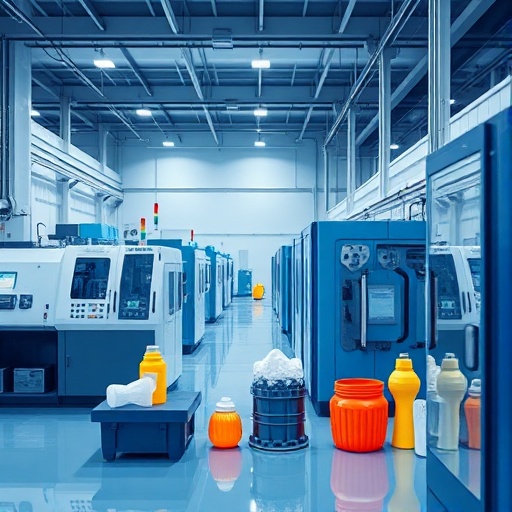
The future of custom blow molding promises integration with Industry 4.0, where data-driven insights and novel materials redefine manufacturing possibilities. As global needs shift toward sustainability and customization, blow molders will lead with agile, intelligent systems.
Emerging Trends in Custom Mold Making
Emerging trends in custom mold making embrace additive manufacturing for hybrid molds that combine metal durability with plastic speed. Custom blow molders experiment with topology optimization, generating lightweight yet robust designs via software. Nanocoatings reduce friction, extending machine life and improving release. In Green Bay, companies pioneer self-healing polymers that repair micro-cracks in blow molded products. Digital twins simulate entire blow molding processes, predicting outcomes before production. Custom plastic molder variations incorporate blockchain for supply chain transparency, verifying sustainable sourcing. For intricate molds, high-speed machining with diamond tools achieves sub-micron accuracy. Trends favor modular tooling, allowing swaps for diverse RFQs without full retools. Experts foresee AI-assisted design, where algorithms suggest improvements based on past data. Blow moulding evolves with 4D printing, enabling shapes that change post-molding. These advancements empower manufacturers to handle complex geometries, like biomedical containers. As customization surges, custom mold making trends will democratize innovation, making bespoke production standard for all scales.
The Role of Engineering in Future Manufacturing
Engineering drives future manufacturing by fusing materials science with robotics, optimizing custom blow molding for unprecedented efficiency. Experts redesign blow molding machines with adaptive controls that learn from production data, minimizing variations in wall thickness. In plants, simulation software tests polymer flows virtually, cutting physical trials. Custom blow molders rely on multidisciplinary teams—plastics engineers, machinists, and data scientists—to innovate. For sustainability, bio-engineered polymers promise compostability without performance loss. Engineering tackles scalability, developing micro-factories for on-demand molding. In electronics, precision engineering crafts EMI-shielding enclosures via co-extrusion. Green Bay's engineering hubs collaborate on open-source mold standards, accelerating industry progress. Future roles emphasize simulation over trial-and-error, with VR training for operators. Custom product molder engineering integrates sensors for real-time quality checks. As automation deepens, human engineers focus on creativity, like functional packaging that doubles as dispensers. This pivotal role ensures manufacturing remains agile, turning challenges into opportunities for smarter, greener blow molded solutions.
Market Predictions for Custom Blow Molders
Market predictions forecast a 7% CAGR for custom blow molders through 2030, fueled by e-commerce and personalization booms. Demand for custom blow molding will spike in Asia-Pacific, with localized plants offsetting tariffs. Sustainability mandates will favor recyclers, projecting 50% recycled content in blow molded products by mid-decade. Custom plastic molder segments targeting pharma and EVs will outpace traditional packaging. In Green Bay, expansions signal robust North American growth. Analysts predict hybrid machines dominating, blending blow and injection for versatility. RFQ volumes rise with online platforms connecting customers to molders. Variations like blower molder tech enter automotive, for lightweight fuel tanks. Challenges include resin price volatility, but innovations in alternatives mitigate risks. Consumer shifts toward premium, custom containers boost margins. Leading manufacturers invest in R&D, eyeing quantum computing for mold simulations. Overall, the market rewards agile custom blow molders who embrace digital and green transitions, positioning them as indispensable in a tailored tomorrow.