The Hidden Dangers of Traditional Lubricants and the Rise of Biodegradable Alternatives

The Environmental Impact of Traditional Lubricants
Toxic Components in Motor Oil
Motor oil powers vehicles worldwide, but its toxic components pose severe risks to the environment. Traditional motor oil contains heavy metals like zinc, lead, and cadmium, along with polycyclic aromatic hydrocarbons (PAHs) that persist in soil and water. When spilled or improperly disposed, these elements leach into groundwater, contaminating drinking sources for miles. A single gallon of used motor oil can pollute one million gallons of freshwater, according to environmental agencies. Industries dump billions of gallons annually, exacerbating pollution in rivers and oceans. Wildlife suffers as fish and birds absorb these toxins, leading to reproductive failures and mass die-offs. Human health faces threats too, with PAHs linked to cancer risks through contaminated food chains. Regulators push for stricter disposal, yet leaks from engines and storage tanks continue to release these hazards unchecked. Switching to sustainable alternatives becomes essential to curb this invisible damage.
Hydraulic Oils and Their Ecological Footprint
Hydraulic oils drive machinery in construction, agriculture, and manufacturing, but their ecological footprint rivals that of motor oil. Derived from petroleum, these hydraulic oils include additives like chlorinated paraffins that break down slowly in nature. Spills from hydraulic systems often occur in remote areas, seeping into soil and waterways without immediate detection. One major incident can release thousands of gallons, smothering aquatic life and disrupting ecosystems. The oils' persistence means they bioaccumulate in organisms, magnifying toxicity up the food chain. Farms using hydraulic equipment near fields risk contaminating crops, while urban sites pollute stormwater drains leading to city reservoirs. Global production exceeds 30 million tons yearly, with much ending up as waste. Environmental studies highlight how these oils contribute to soil infertility and long-term biodiversity loss. Industries must confront this footprint by adopting greener lubrication options to protect fragile habitats.
The Problem of Greases in Waste Management
Greases lubricate bearings and gears in heavy equipment, yet their role in waste management creates mounting problems. Traditional greases, thick with petroleum bases and metal soaps, resist breakdown in landfills and incinerators. They cling to surfaces, complicating recycling efforts and increasing disposal costs. When washed into sewers, greases solidify, blocking pipes and forcing expensive cleanups. Marine environments suffer from grease runoff, forming slicks that harm seabirds and marine mammals. A single industrial site can generate tons of grease waste annually, much of it non-biodegradable and laden with contaminants like benzene. Waste management facilities struggle with separation, leading to higher methane emissions from decomposing piles. Regulations demand better handling, but enforcement lags, allowing pollutants to infiltrate groundwater. The cycle of production, use, and discard underscores the need for biodegradable greases that simplify waste streams and reduce environmental burdens.
Understanding Biodegradable Lubricants
What Are Biolubricants?
Biolubricants represent a shift toward eco-conscious lubrication, offering viable alternatives to petroleum-based products. These biodegradable lubricants break down naturally through microbial action, minimizing long-term environmental harm. Derived from renewable sources like vegetable oils and animal fats, biolubricants maintain performance while prioritizing sustainability. Unlike traditional lubes, they degrade within weeks or months under aerobic conditions, preventing soil and water pollution. Standards from organizations like the OECD define biodegradability as over 60% breakdown in 28 days, ensuring reliability. Industries increasingly adopt biolubricants for applications from automotive to marine, driven by regulations and corporate responsibility. These products reduce reliance on finite fossil fuels, supporting a circular economy. As awareness grows, biolubricants emerge as essential tools for environmentally-friendly operations, blending efficacy with ecological stewardship.
Key Ingredients in Biodegradable Oils
Biodegradable oils rely on carefully selected ingredients that ensure both functionality and environmental safety. Vegetable-based esters from rapeseed, sunflower, or soy form the backbone, providing excellent lubrication without petroleum's toxicity. These natural oils offer high viscosity indices, resisting temperature fluctuations in engines and machinery. Additives like antioxidants from plant extracts enhance stability, while anti-wear agents derived from phosphorus-free compounds protect metal surfaces. Synthetic biolubricants incorporate polyalphaolefins from bio-derived feedstocks, boosting performance in extreme conditions. Water-soluble thickeners create effective hydraulic fluids that dissolve harmlessly if leaked. Key to their success, these ingredients avoid heavy metals and volatile organic compounds, aligning with sustainability goals. Manufacturers formulate blends to meet specific needs, such as low aquatic toxicity for marine use. Overall, the thoughtful composition of biodegradable oils drives their rise as superior, green alternatives.
Comparative Analysis: Traditional vs. Biodegradable Lubricants
Traditional lubricants dominate markets with low upfront costs, but biodegradable lubricants outperform them in longevity and eco-impact. Petroleum-based motor oil and hydraulic oils excel in high-heat scenarios yet degrade into persistent pollutants, with biodegradability rates below 30%. In contrast, biodegradable lubricants achieve over 80% degradation, slashing cleanup expenses and regulatory fines. Performance-wise, biolubricants match or exceed traditional ones in viscosity and friction reduction, often extending equipment life by 20-30%. Tests show biodegradable hydraulic fluids maintain pressure better in cold climates, reducing failures. Cost analysis reveals traditional lubes' hidden fees from spills and disposal, while sustainable lubricants cut long-term expenses through reusability. Aquatic toxicity drops dramatically with biolubricants, protecting ecosystems where traditional versions cause havoc. This analysis highlights why industries transition: biodegradable options deliver balanced efficiency, safety, and sustainability without compromise.
Benefits of Switching to Biodegradable Alternatives
Sustainability and Environmental Benefits
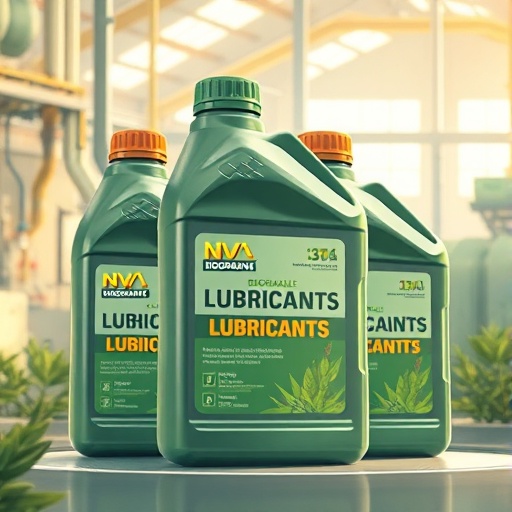
Switching to biodegradable alternatives fosters sustainability by curbing the lubricant industry's carbon footprint. Traditional products rely on non-renewable crude oil extraction, emitting greenhouse gases throughout their lifecycle. Biodegradable lubricants, sourced from plants, lower emissions by up to 50% and support regenerative agriculture. They prevent soil contamination, preserving arable land for future generations. In marine settings, these lubes break down without harming coral reefs or fish populations. Companies gain certifications like USDA BioPreferred, boosting their green credentials and market appeal. Waste reduction follows, as biodegradable greases simplify recycling and composting. Global adoption could save billions in environmental remediation costs annually. Ultimately, this switch embeds sustainability into operations, aligning profit with planetary health through innovative lubrication solutions.
Aquatic Toxicity Reduction
Aquatic toxicity reduction stands out as a prime benefit of biodegradable lubricants, safeguarding waterways from industrial spills. Conventional hydraulic oils and greases score high on toxicity scales, killing algae, invertebrates, and fish upon contact. Biodegradable versions, tested under EPA guidelines, show toxicity levels 90% lower, allowing natural decomposition without ecosystem disruption. A leaked gallon of traditional lube can devastate local aquatic life for years, while biodegradable equivalents dissipate harmlessly. This reduction supports biodiversity in rivers, lakes, and oceans, crucial for fisheries and water supplies. Industries near water bodies, like ports and farms, avoid fines and habitat restoration mandates. Research confirms biolubricants' rapid breakdown prevents bioaccumulation in shellfish and birds. By prioritizing low-toxicity formulas, these products enable safer operations, preserving aquatic environments for recreation and wildlife alike.
Long-term Cost Efficiency for Industries
Long-term cost efficiency drives industries to embrace biodegradable lubricants, offsetting initial premiums with substantial savings. Traditional options demand frequent changes due to oxidation, racking up labor and material expenses. Biodegradable lubricants resist breakdown longer, extending service intervals by 25-40%, which cuts downtime in factories and fleets. Disposal fees plummet as these products qualify for simpler waste handling, avoiding hazardous classifications. Energy savings emerge from improved lubrication, reducing friction and fuel consumption in trains and machinery. A mid-sized plant switching to biolubricants might save thousands per year on maintenance alone. Regulatory compliance eases, dodging penalties that traditional lubes often incur. Over a decade, the return on investment surges, making sustainable choices economically sound. Industries discover that green lubrication not only protects the environment but fortifies their bottom line.
Applications and Effectiveness of Biodegradable Lubricants
Biodegradable Grease in Industrial Settings
Biodegradable grease thrives in industrial settings, providing robust lubrication for conveyors, pumps, and rollers without environmental risks. Formulated with bio-based thickeners like lithium complexes from vegetable oils, this grease clings effectively to metal parts, preventing wear under heavy loads. Factories report fewer breakdowns, as its water resistance outperforms petroleum greases in humid environments. Spills in manufacturing plants degrade naturally, avoiding costly cleanups and OSHA violations. Applications span food processing, where FDA-approved versions ensure hygiene, to mining, where dust resistance maintains equipment uptime. Performance data shows 15-20% friction reduction, boosting energy efficiency. Workers handle it safely, with lower VOC emissions improving air quality. As industries scale sustainable practices, biodegradable grease becomes indispensable, merging durability with eco-responsibility in demanding operations.
Use of Biodegradable Hydraulic Fluids in Machinery
Biodegradable hydraulic fluids power machinery in agriculture, forestry, and construction, delivering reliable pressure without ecological fallout. These fluids, often ester-based, offer superior lubricity for cylinders and valves, matching synthetic hydraulic oils in viscosity. Farmers using tractors near fields appreciate their quick breakdown if leaks occur, protecting soil health and crop yields. In logging operations, where equipment navigates sensitive terrains, these fluids minimize runoff into streams, complying with forest management standards. Tests demonstrate they withstand temperatures from -30°C to 100°C, ensuring smooth operation in varied climates. Maintenance intervals lengthen, reducing overall fluid usage by 30%. Integration into existing hydraulic systems requires minimal adjustments, making adoption straightforward. This use case exemplifies how biodegradable hydraulic fluids enhance machinery effectiveness while championing environmental stewardship across sectors.
Performance of Biodegradable Lubricants in Trains
Biodegradable lubricants excel in trains, lubricating axles, wheels, and couplings for smoother, greener rail transport. Rail operators apply these lubes to reduce friction on tracks, cutting energy use by up to 5% per journey. Vegetable-derived formulas withstand the vibrations and weather exposure of freight and passenger lines, outperforming traditional greases in longevity. Spills along rights-of-way degrade without contaminating nearby ecosystems, vital for routes through wetlands. Studies from European rail networks show biodegradable options maintain viscosity under high speeds, preventing derailment risks. Cost savings accrue from less frequent applications and lower disposal fees. As global rail freight grows, these lubricants support sustainable logistics, reducing the industry's 2% share of worldwide emissions. Trains equipped with biolubricants demonstrate peak performance, proving eco-innovation tracks progress reliably.
Choosing the Right Biodegradable Lubricant

Factors to Consider When Selecting a Lubricant
Selecting the right biodegradable lubricant demands attention to operating conditions, viscosity, and compatibility. Start with temperature range: high-heat applications like engines need oils with strong thermal stability to avoid breakdown. Assess load requirements—heavy machinery benefits from high-film strength greases that prevent metal-to-metal contact. Environmental factors, such as proximity to water, prioritize ultra-low aquatic toxicity ratings. Check certifications like EU Ecolabel or USDA BioPreferred for verified biodegradability over 60%. Compatibility with seals and paints avoids system failures during transitions. Cost per gallon matters, but factor in lifecycle savings from extended use. User reviews and manufacturer specs guide choices for specific needs, like food-grade for processing plants. By weighing these factors, buyers secure lubricants that optimize performance, sustainability, and value in diverse applications.
Top Brands of Biodegradable Products
Top brands of biodegradable products lead the charge in sustainable lubrication, offering proven solutions for various sectors. Panolin AG crafts high-performance hydraulic fluids from saturated esters, excelling in marine and rail uses with exceptional biodegradability. RS Clare delivers vegetable-based greases ideal for industrial automation, boasting low toxicity and long shelf life. Mobil's bio-derived lubes, like their EAL series, suit heavy equipment, providing superior wear protection. Schaeffer Oil specializes in eco-friendly motor oils from rapeseed bases, popular in automotive fleets for reduced emissions. These brands invest in R&D, ensuring products meet ISO standards for sustainability. Availability spans distributors worldwide, with options for custom blends. Choosing from these leaders guarantees quality biodegradable lubricants that deliver on environmental promises without sacrificing efficacy.
Future Trends in Sustainable Lubrication
Future trends in sustainable lubrication point to advanced bioengineering and circular economy models reshaping the industry. Researchers develop second-generation biolubricants from algae and waste oils, enhancing yield and reducing land use. Nanotechnology integrates additives for self-healing properties, extending lubricant life in electric vehicles and renewables. Regulations like the EU's Green Deal mandate biodegradable options in sensitive areas, spurring innovation. Hybrid formulations combine bio-bases with recycled synthetics, minimizing virgin resource needs. Digital tools, including AI-driven monitoring, optimize application to cut waste. Global markets project 10% annual growth for sustainable lubricants, driven by consumer demand for green supply chains. As trains and machinery evolve, these trends ensure lubrication aligns with net-zero goals, fostering a resilient, eco-friendly future.
See Also
- How Biodegradable Lubricants Are Paving the Way for Sustainable Machinery
- The Cost-Effectiveness of Biodegradable Lubricants in Industrial Applications
- Why Choosing Biodegradable Lubricants Is Essential for Protecting Aquatic Life
- From Motor Oil to Hydraulic Fluids Discover the Benefits of Eco-Friendly Lubricants
- Biodegradable Greases and Oils Transforming the Automotive Landscape