The Hidden Role of Dehumidifiers in Preventing Water Damage in Manufacturing
Understanding the Importance of Humidity Control in Manufacturing
The Impact of Moisture on Manufacturing Processes
Moisture disrupts manufacturing processes by infiltrating materials and equipment, leading to corrosion, mold growth, and operational failures. In electronics assembly lines, excess humidity causes static electricity buildup, damaging sensitive components and reducing product yields. Factories producing textiles or pharmaceuticals face similar threats, where high moisture levels alter fabric weaves or contaminate sterile environments. Industrial dehumidifiers combat this by extracting air moisture, maintaining optimal conditions for precision work. Without proper humidity control, production downtime escalates, and quality assurance becomes a constant battle. Manufacturers who ignore moisture often see increased scrap rates and rework costs. Dehumidification solutions integrate seamlessly into workflows, ensuring consistent output. For instance, in metalworking shops, damp air accelerates rust on unfinished parts, halting assembly. Proactive dehumidifier systems prevent these issues, safeguarding inventory and boosting efficiency. Workers benefit too, as controlled environments reduce slip hazards from condensation. Overall, addressing moisture head-on transforms manufacturing reliability, turning potential disasters into smooth operations.
The Relationship Between Humidity and Water Damage
Humidity directly fuels water damage in manufacturing settings through condensation and flooding risks, where elevated levels push air past the dew point, forming droplets on surfaces. This hidden threat erodes machinery, warps wooden fixtures, and infiltrates electrical systems, causing short circuits and fires. Industrial dehumidifiers interrupt this cycle by lowering relative humidity, preventing dew point breaches and subsequent water accumulation. In humid climates, unchecked moisture leads to pervasive damage, like swollen floors in warehouses or degraded insulation in control panels. Dehumidification equipment pulls excess water vapor, directing it via drainage or pumps to avoid pooling. The link intensifies during seasonal shifts, when temperature fluctuations spike condensation. Manufacturers using dehumidifier units report fewer insurance claims tied to water damage, preserving assets. Neglecting this relationship invites costly repairs and halts production lines. By prioritizing humidity control, facilities extend equipment lifespan and maintain structural integrity. Smart integration of dehumidifiers ensures air stays dry, shielding against the insidious creep of moisture-related destruction.
Key Factors Influencing Humidity Levels
Several factors dictate humidity levels in manufacturing environments, including geographic location, building ventilation, and internal heat sources. Coastal factories battle naturally high humidity from ocean air, while inland sites contend with seasonal rains infiltrating through cracks. Poorly sealed doors and windows exacerbate infiltration, allowing outdoor moisture to mingle with indoor air. Machinery generating steam or hot processes releases additional vapor, elevating levels unpredictably. Temperature swings influence relative humidity too—warmer air holds more moisture, complicating control efforts. Industrial dehumidifiers adapt by cycling air through cooling coils to condense and remove excess. Ventilation systems play a pivotal role; inadequate airflow traps humid pockets, fostering mold in corners. Seasonal changes demand vigilant monitoring, as summer heat amplifies evaporation from wet processes. Building materials matter—concrete absorbs moisture, releasing it slowly over time. Effective humidity control strategies incorporate sensors to track these variables, triggering dehumidifier activation as needed. By understanding and mitigating these influences, manufacturers achieve stable environments, preventing disruptions from fluctuating humidity.
How Industrial Dehumidifiers Function
Mechanisms of Dehumidification
Industrial dehumidifiers operate through refrigeration cycles that cool air below its dew point, forcing moisture to condense into liquid for removal. Air enters the unit, passes over cold evaporator coils chilled by refrigerant, and drops humidity as water droplets form. This condensate drains away or evaporates via a pump, leaving dehumidified air to reheat slightly before recirculation. Desiccant models use rotating wheels coated in moisture-absorbing materials, regenerating via heated air to sustain efficiency. These mechanisms target air moisture precisely, maintaining set humidity thresholds in manufacturing spaces. Fans propel air through the system, ensuring even coverage across large areas like warehouses. Controls adjust based on sensors, optimizing energy use during low-demand periods. In high-humidity zones, hybrid systems combine refrigeration and desiccation for robust performance. Proper maintenance, including coil cleaning, sustains dehumidification efficacy. Manufacturers rely on these processes to protect goods from mold and corrosion, integrating units into HVAC setups for seamless operation. Understanding these core functions empowers facilities to select systems that align with specific moisture challenges.
Types of Dehumidifiers Used in Manufacturing
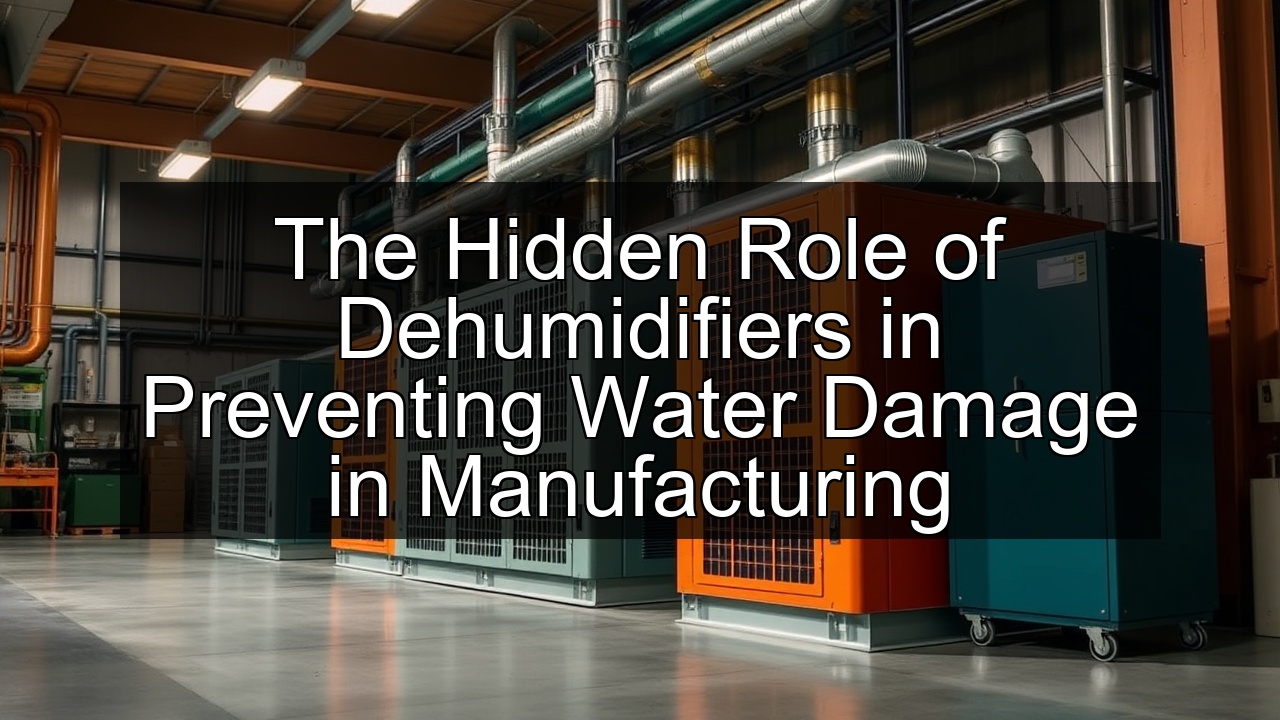
Manufacturing facilities deploy various dehumidifier types tailored to operational demands, from refrigerant-based units for general humidity control to desiccant models for low-temperature environments. Refrigerant dehumidifiers dominate in warm warehouses, efficiently condensing moisture above 65°F using compressors and coils. Desiccant dehumidifiers excel in colder settings like refrigerated storage, absorbing vapor without cooling, ideal for pharmaceuticals needing precise climate control. Whole-house or commercial dehumidifiers scale up for large plants, while portable units handle spot treatments in garages or labs. Condensation dryers, a refrigerant variant, focus on high-volume extraction for flood-prone areas. Industrial moisture control often pairs these with air handlers for comprehensive coverage. Ducted systems integrate into existing ventilation, quietly managing humidity across multiple zones. Choosing between types hinges on space size, temperature, and moisture load—pints per day ratings guide capacity decisions. Hybrid options blend technologies for versatility in fluctuating conditions. These dehumidifier systems prevent water damage by adapting to manufacturing diversity, ensuring uninterrupted production.
The Role of Refrigerants in Moisture Control
Refrigerants drive moisture control in industrial dehumidifiers by facilitating heat exchange that chills air and triggers condensation. Common types like R-410A circulate through coils, absorbing heat from incoming air to lower its temperature below the dew point, where water vapor turns to liquid. This process efficiently removes gallons of moisture daily, directing it through drainage lines or pumps. Eco-friendly refrigerants reduce environmental impact while maintaining performance in demanding manufacturing settings. In electronics production, precise refrigerant cycles prevent condensation on circuits, averting shorts. Maintenance involves leak checks to sustain efficiency, as low levels impair dehumidification. Advanced units use variable-speed compressors to modulate refrigerant flow, enhancing energy efficiency. Temperature influences refrigerant efficacy—optimal ranges maximize extraction without freezing coils. Manufacturers benefit from these agents in combating flooding risks, as dry air inhibits mold proliferation. Integrating refrigerants into dehumidifier units ensures robust humidity control, protecting assets from hidden water threats. Ongoing innovations push toward lower-GWP alternatives, aligning moisture management with sustainability goals.
Benefits of Implementing Dehumidification Solutions
Enhancing Air Quality and Worker Health
Dehumidification solutions elevate air quality in manufacturing by curbing moisture that breeds dust mites, bacteria, and allergens, fostering healthier workspaces. Lower humidity discourages mold spores from airborne suspension, reducing respiratory issues among workers. Industrial dehumidifiers filter air during operation, trapping particulates and improving ventilation efficacy. In textile mills, dry conditions minimize fiber irritation, boosting comfort during long shifts. Health benefits extend to preventing humidity-induced fatigue, as stable environments support focus and productivity. Compliance with OSHA standards becomes straightforward with monitored humidity control, avoiding fines for poor air quality. Workers in electronics assembly avoid static shocks from dry air, enhancing safety. Dehumidifier systems integrate HEPA filters for comprehensive purification, tackling volatile compounds from processes. Regular use correlates with fewer sick days, cutting absenteeism costs. By prioritizing air quality, manufacturers invest in human capital, creating environments where health thrives alongside operations. These solutions transform stuffy factories into breathable havens, underscoring dehumidifiers' role beyond mere moisture removal.
Energy Efficiency and Cost Savings
Energy-efficient dehumidifiers slash operational costs in manufacturing by optimizing power use through advanced compressors and smart sensors that activate only when humidity rises. Models with inverter technology adjust speeds to match demand, reducing electricity bills by up to 30% compared to constant-run units. In large facilities, integrating dehumidification into HVAC systems recycles heat, further boosting efficiency. Cost savings compound from prevented water damage repairs, which can run thousands per incident. Industrial dehumidifiers with low-wattage designs handle high CFM without spiking energy draw, ideal for 24/7 operations. Tax incentives for energy-efficient equipment accelerate ROI, often within a year. Maintenance simplicity—filter changes and coil cleans—minimizes downtime expenses. In warehouses, dry air reduces AC loads, as cooler, drier conditions feel comfortable at higher temperatures. Manufacturers adopting these solutions report sustained savings, reallocating funds to innovation. Dehumidification equipment proves a smart investment, balancing immediate humidity control with long-term fiscal prudence.
Preventing Flooding and Water Damage
Dehumidifiers prevent flooding and water damage in manufacturing by proactively extracting moisture before it accumulates into hazardous pools. In flood-vulnerable areas, units like commercial dehumidifiers run continuously post-rain, drying structures and averting mold outbreaks. They manage condensation from pipes or roofs, channeling water via integrated pumps to external drains. Industrial dehumidifier systems in garages or basements intercept humidity spikes, stopping warped floors and rusted machinery. By maintaining humidity below 50%, they inhibit dew point formation, a key flooding precursor. Quick-response portables deploy during leaks, extracting pints hourly to limit spread. In electronics-heavy plants, dry air protects circuits from shorting due to inadvertent moisture. Insurance premiums drop with documented dehumidification protocols, as risks plummet. These units complement sump pumps, enhancing overall water management. Manufacturers gain peace of mind, knowing hidden threats like capillary action in walls stay neutralized. Implementing dehumidifier units fortifies facilities against nature's whims, ensuring resilience and continuity.
Optimal Dehumidifier Systems for Different Manufacturing Environments
Warehouse and Garage Dehumidification Needs
Warehouses and garages in manufacturing demand robust dehumidification to protect stored goods and vehicles from moisture-induced degradation. High ceilings and concrete floors trap humid air, fostering rust on metal racks and corrosion in engines. Industrial dehumidifiers with high CFM ratings circulate air effectively, extracting gallons daily to keep levels optimal. In parts storage, dry conditions prevent packaging swell, preserving inventory integrity. Garages benefit from wall-mounted units that target vehicle underbodies, averting electrical faults. Ventilation challenges in these spaces require ducted dehumidifier systems for uniform coverage. Seasonal humidity surges, like summer monsoons, necessitate units with auto-defrost for uninterrupted operation. Energy-efficient models reduce overhead while handling heavy loads from open doors. Maintenance focuses on drainage checks to avoid backups in oily environments. Manufacturers customize setups—ceiling fans pair with ground units for layered control. These solutions extend asset life, minimizing downtime from water damage in logistics-heavy zones.
Crawl Space Moisture Management
Crawl spaces under manufacturing buildings require targeted moisture management to prevent structural water damage and upward humidity migration. Encapsulated areas trap earth vapors, elevating indoor levels and risking mold in subfloors. Dehumidifier units sized for tight spaces, often 70-pint models, pull air moisture continuously, venting via dedicated lines. Vapor barriers enhance efficacy, sealing soil to limit influx. In food processing plants, dry crawl spaces safeguard against contaminant spread. Temperature fluctuations amplify condensation here, so units with humidistats maintain steady control. Integrated pumps handle condensate in low-drainage setups, avoiding puddles. Regular inspections ensure vents stay clear, sustaining dehumidification flow. These interventions protect HVAC ducts from corrosion, improving overall system performance. Manufacturers avoid costly retrofits by addressing crawl space humidity early, preserving building foundations. Smart monitors alert to spikes, enabling proactive adjustments. Effective management turns vulnerable underbellies into stable supports for operations above.
Choosing the Right CFM and Gallon Capacity
Selecting dehumidifiers involves matching CFM and gallon capacity to manufacturing space specifics, ensuring adequate air turnover and moisture extraction. CFM measures airflow—larger warehouses need 500+ to cover vast areas without blind spots. Gallons or pints per day indicate removal rate; humid climates demand 100+ pint units for heavy loads. Calculate based on square footage, current humidity, and temperature—formulas factor dew point for precision. Undersized units strain, raising energy use, while oversized ones cycle inefficiently. Industrial dehumidifiers offer scalable options, like modular systems for expanding facilities. Test ambient conditions first; electronics areas prioritize low CFM for gentle circulation. Consult manufacturer info for AHAM-rated capacities under standard conditions. Pair with hygrometers for post-install verification. Upgrading to variable CFM models adapts to seasonal shifts, optimizing performance. This thoughtful choice prevents water damage, tailoring dehumidification solutions to unique environments for maximum impact.
Future Trends in Industrial Dehumidification Technology
Innovations in Energy-Efficient Dehumidifiers
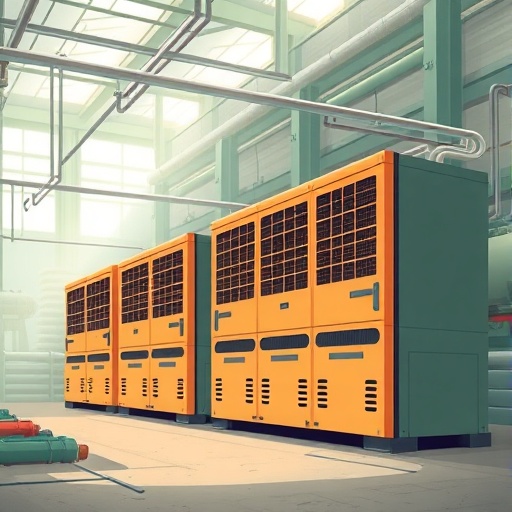
Innovations in energy-efficient dehumidifiers revolutionize manufacturing by incorporating heat recovery and advanced materials that cut power needs by 40%. Next-gen units recapture waste heat from condensation, redirecting it for air reheating or process warming. Solid-state cooling replaces traditional compressors, offering silent, vibration-free operation ideal for precision assembly lines. Low-GWP refrigerants like CO2 dominate, aligning with green regulations without sacrificing moisture pull. Membrane technology filters vapor selectively, boosting efficiency in variable climates. Manufacturers integrate these into smart grids, drawing power during off-peak hours. Solar-assisted models emerge for remote warehouses, harnessing panels for daytime runs. Predictive algorithms forecast humidity based on weather data, pre-empting spikes. These advancements lower costs while enhancing humidity control, preventing damage proactively. Adoption spreads as ROI shortens, making energy efficiency a cornerstone of modern dehumidification equipment.
Smart Dehumidification Solutions for Climate Control
Smart dehumidification solutions elevate climate control in manufacturing through app-based interfaces and AI-driven adjustments that fine-tune humidity in real-time. Wi-Fi-enabled units sync with facility systems, auto-scaling output to match occupancy or production phases. Voice commands simplify overrides, while dashboards display trends for informed decisions. In pharmaceuticals, these ensure compliance by logging data for audits. Integration with building automation harmonizes dehumidifiers with lighting and HVAC, optimizing overall energy use. Predictive maintenance alerts flag filter clogs before failures, minimizing disruptions. Custom zones allow targeted control—dry zones for electronics, moderate for assembly. User-friendly apps democratize management, empowering operators without engineering expertise. These solutions prevent water damage by responding swiftly to anomalies, like sudden leaks. As manufacturing digitizes, smart dehumidifier systems become indispensable for agile, responsive environments.
The Role of IoT in Monitoring Humidity and Temperature
IoT transforms humidity and temperature monitoring in manufacturing by deploying sensor networks that feed data to cloud platforms for instant analysis. Wireless nodes track conditions across floors, alerting to deviations that signal impending water damage. In warehouses, IoT tracks dew point shifts, triggering dehumidifiers preemptively. Dashboards visualize hotspots, guiding targeted interventions. Integration with ERP systems correlates environmental data to production metrics, revealing moisture's impact on yields. Remote access enables off-site oversight, crucial for multi-site operations. Blockchain secures data integrity for regulatory needs. Edge computing processes info locally, reducing latency in critical areas like crawl spaces. Future expansions include drone sensors for hard-to-reach spots. These tools enhance industrial moisture control, ensuring dehumidification aligns with dynamic needs. Manufacturers gain actionable insights, fortifying against hidden threats through connected intelligence.