The Impact of Plastic Jar Manufacturers on the Beverage Industry
The Role of Plastic Jar Manufacturers in Beverage Packaging
Overview of Plastic Jar Types
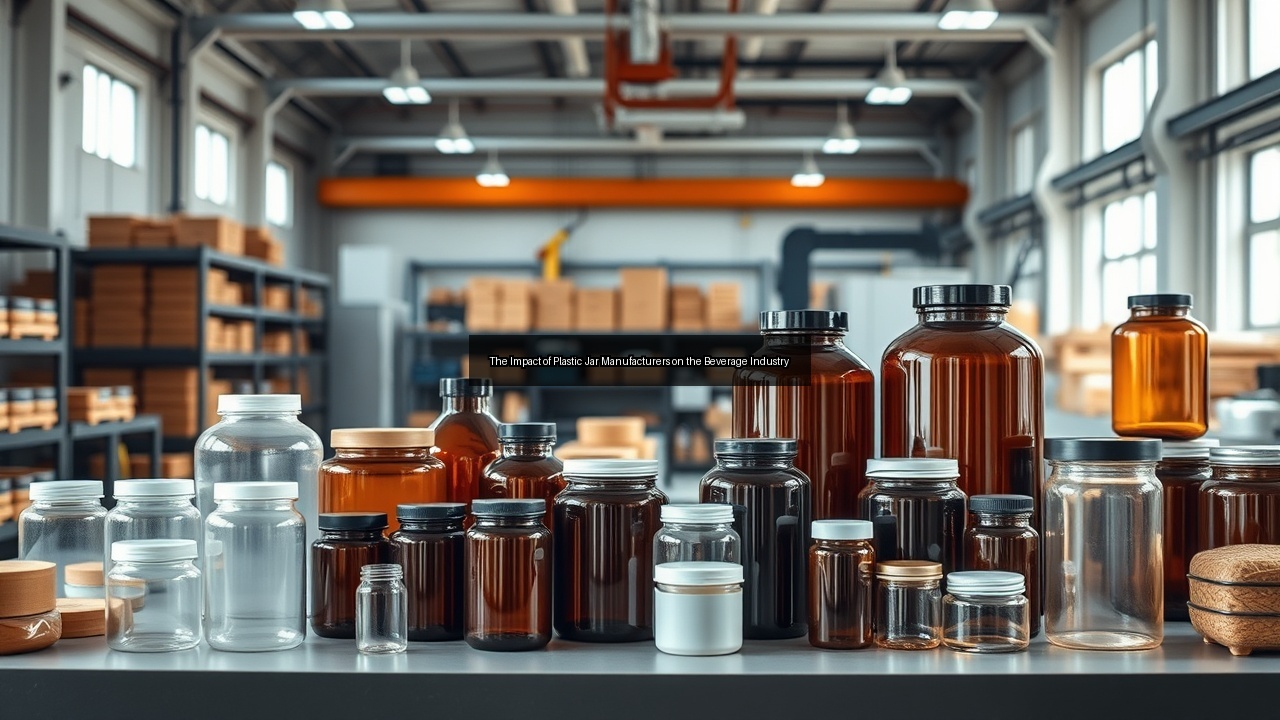
Plastic jar manufacturers offer a diverse range of jars tailored to meet the demands of the beverage industry. These jars come in various sizes, including 16 oz, 32 oz, and even 64 oz options, catering to different beverage volumes and consumer preferences. Common types include wide-mouth jars, cylinder jars, and pails. For instance, wide-mouth jars feature a broader neck, making them ideal for beverages that require easy access, such as smoothies or juices. Cylinder jars, on the other hand, offer streamlined aesthetics and space efficiency on retail shelves. Manufacturers also produce specialized jars for specific applications, such as liquor or health supplements, ensuring that each product meets the unique requirements of its market. The versatility of these plastic containers allows beverage companies to choose the perfect jar for their product line, enhancing both functionality and appeal.
Benefits of Plastic Jars Over Glass Bottles
Plastic jars possess distinct advantages over traditional glass bottles, making them a popular choice among beverage manufacturers. One of the most significant benefits is weight. Plastic jars, such as those made from PET or HDPE, are considerably lighter than glass, reducing shipping costs and the carbon footprint associated with transportation. Additionally, the durability of plastic means it’s less prone to breakage, minimizing product loss during handling and distribution. This resilience is particularly important for the beverage industry, where glass breakage can lead to safety hazards and costly cleanup. Furthermore, plastic jar manufacturers can produce jars in a variety of shapes and colors, allowing brands to create eye-catching packaging that attracts customers. This customization can significantly enhance brand recognition and market presence. Lastly, plastic jars often feature better sealing capabilities, which help maintain the freshness of beverages, an essential factor for consumer satisfaction.
Key Manufacturers in the Industry
Several key plastic jar manufacturers dominate the beverage packaging landscape. Companies like Berry Global and Amcor have established themselves as leaders in providing high-quality plastic jars and containers for various beverages. These manufacturers invest heavily in research and development, focusing on innovative designs and sustainable practices. Berry Global, for instance, offers a wide range of products, including jars specifically designed for liquid food and beverage applications. Amcor, on the other hand, emphasizes sustainability, producing jars from recycled materials and pioneering eco-friendly packaging solutions. Other noteworthy manufacturers include Silgan Containers and RPC Group, which also contribute to the diverse offerings in the market. By partnering with these reputable plastic jar manufacturers, beverage companies can ensure that they receive not only high-quality packaging but also innovative solutions that meet evolving consumer demands.
Innovations in Plastic Jar Design and Functionality
Customizable Packaging Solutions
Customization has become a key component in the beverage packaging sector, and plastic jar manufacturers are at the forefront of this trend. Brands now seek unique packaging that reflects their identity and resonates with consumers. Manufacturers offer tailored solutions, allowing companies to choose specific colors, shapes, and sizes for their jars. This flexibility enables beverage producers to create distinct branding that stands out on crowded shelves. For example, a juice company might opt for a vibrant, clear plastic jar to showcase the freshness of its product, while a health drink might choose a sleek, modern design that conveys a sense of vitality. Additionally, manufacturers provide options for labeling, embossed logos, and custom closures, further enhancing the branding experience. This level of customization not only helps in brand differentiation but also allows companies to respond quickly to market trends and consumer preferences.
Sustainability in Plastic Jar Production
As environmental concerns rise, sustainability has emerged as a paramount consideration in plastic jar production. Manufacturers are increasingly adopting eco-friendly practices, such as using recycled materials and reducing energy consumption during production. Post-consumer recycled (PCR) plastics have gained traction, allowing brands to meet consumer demands for sustainable packaging without compromising quality. For instance, some manufacturers produce jars made from 100% PCR material, providing a viable alternative to traditional virgin plastics. Furthermore, initiatives aimed at reducing plastic waste have led to innovations like biodegradable plastics and more efficient recycling processes. Beverage companies that prioritize sustainable packaging not only enhance their brand image but also contribute positively to environmental conservation. This shift toward greener practices reflects a broader commitment within the beverage industry to reduce its ecological footprint while still delivering high-quality products to consumers.
Advancements in Closure Technologies
Advancements in closure technologies significantly influence the effectiveness and appeal of plastic jars in the beverage industry. Manufacturers now offer a variety of closure options, including flip-top caps, tamper-evident seals, and screw-on lids, enhancing convenience and safety for consumers. For example, a 28mm neck finish accommodates a range of closures that can be tailored for specific beverage types, such as carbonated drinks or smoothies. These closures are designed to ensure product integrity, preventing leaks and extending shelf life, which is crucial for maintaining freshness in beverages. Additionally, innovations such as induction seals and child-resistant caps enhance safety and usability, catering to a broader audience. As consumers increasingly value convenience alongside quality, these advancements in closure technologies play a vital role in shaping the success of beverage products packaged in plastic jars.
Market Trends Influencing Plastic Jar Usage in Beverages
Consumer Preferences for Packaging
Consumer preferences significantly shape the direction of packaging in the beverage industry. Today’s consumers favor lightweight, convenient, and visually appealing packaging, leading to increased demand for plastic jars over traditional glass bottles. The portability of plastic jars makes them ideal for on-the-go consumption, a trend that has surged among busy professionals and health-conscious individuals. Additionally, the ability to see the product through clear plastic jars enhances the appeal, as consumers often seek to verify freshness and quality before purchasing. Brands that leverage these insights can create packaging that not only meets consumer expectations but also drives sales. The aesthetic aspect of packaging plays a critical role as well; vibrant colors and unique designs can catch a consumer’s eye, influencing their purchasing decisions. Hence, understanding and adapting to consumer preferences is essential for beverage manufacturers aiming to thrive in a competitive market.
Impact of Regulations on Packaging Materials
Regulatory frameworks significantly impact the materials used in beverage packaging. Governments worldwide are imposing stricter guidelines on plastic usage to combat pollution and promote sustainability. For instance, some regions have banned single-use plastics, prompting manufacturers to innovate and adapt. Plastic jar manufacturers must navigate these regulations while ensuring their products remain compliant and safe for consumer use. This shift often leads to the development of alternative materials or packaging solutions that align with regulatory standards. Companies that proactively adapt to these regulations not only mitigate compliance risks but also position themselves as responsible brands in the eyes of consumers. Staying ahead of regulatory trends can provide beverage manufacturers with a competitive edge, allowing them to innovate while fulfilling their commitment to sustainability and safety.
Growth of Eco-Friendly Plastic Options
The demand for eco-friendly packaging options continues to grow, driving innovation among plastic jar manufacturers. Consumers increasingly seek products that reflect their sustainability values, leading brands to explore biodegradable and compostable materials. Manufacturers are responding by developing advanced plastics that break down more easily in the environment, minimizing their ecological footprint. Additionally, options like plant-based plastics are emerging as viable alternatives, offering similar durability and functionality as traditional plastics without the environmental drawbacks. This growth in eco-friendly plastic options not only addresses consumer concerns but also aligns with global sustainability goals. Beverage companies that adopt these innovative materials can enhance their market positioning while contributing to a greener future. The ongoing evolution in eco-friendly packaging reflects a commitment to meeting consumer desires while addressing pressing environmental challenges.
See Also
- Exploring the Versatility of Plastic Jars in Food and Beverage Packaging
- Navigating the World of Plastic Jar Sizes and Capacities
- The Rise of Eco-Friendly Plastic Jars in Sustainable Packaging
- Top Trends in Plastic Jar Manufacturing You Need to Know
- Why Custom Plastic Jars Can Elevate Your Brand’s Packaging Strategy