Understanding the Impact of Thermal Expansion on Shaft Design
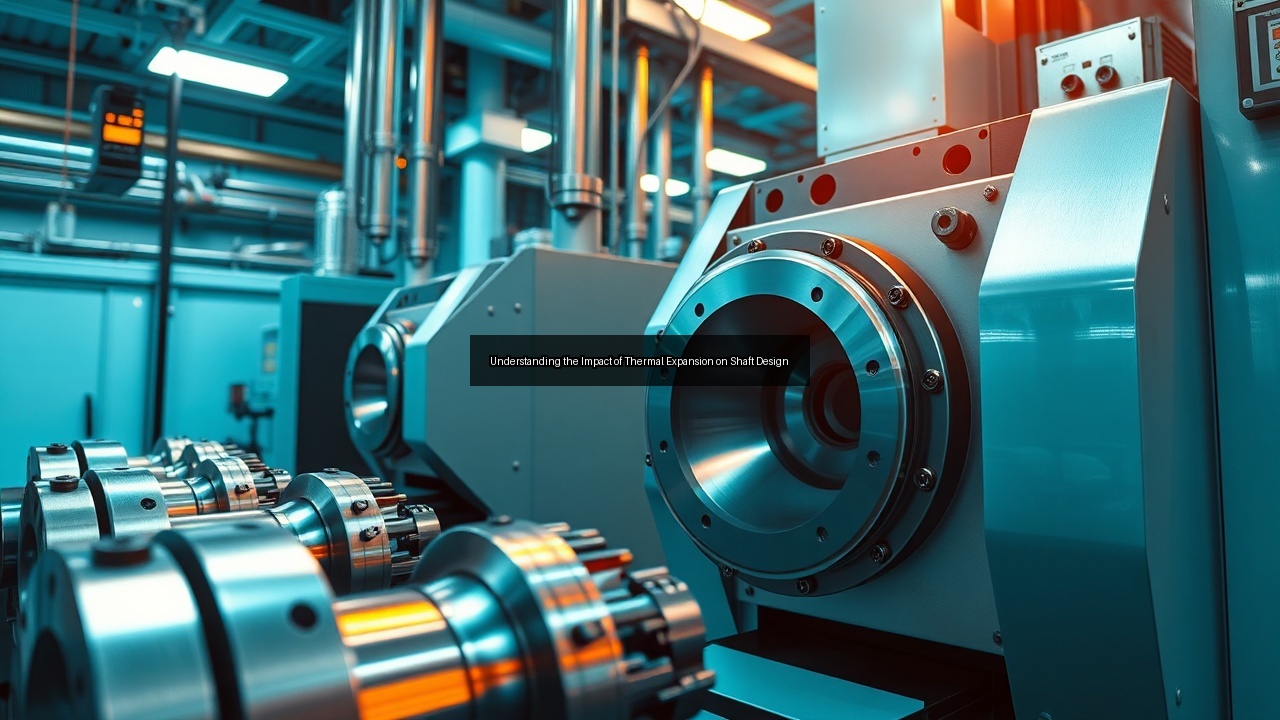
The Fundamentals of Thermal Expansion in Shaft Design
Principle of Thermal Expansion
Thermal expansion refers to the tendency of materials to change their dimensions in response to temperature changes. This principle is crucial in shaft design, as shafts often experience varying temperature conditions during operation, affecting their performance and longevity. When temperatures rise, materials like steel, aluminum, and alloys expand, altering their length and diameter. Understanding the thermal expansion coefficient of the selected material allows engineers to predict how much a shaft will expand or contract under specific temperature changes. This knowledge aids in designing shafts that can accommodate these dimensional changes without compromising mechanical integrity or causing failures.
Effects of Temperature on Shaft Materials
Temperature fluctuations can significantly impact the properties of shaft materials. For instance, carbon steel, commonly used in shaft manufacturing, exhibits predictable expansion characteristics. However, excessive heat can lead to reduced strength and increased brittleness, particularly in high-stress applications. Stainless steel, known for its corrosion resistance, also undergoes thermal changes, but its expansion rate differs from carbon steel. In contrast, nickel alloys tend to maintain dimensional stability across a broader temperature range. Engineers must consider these material behaviors when designing shafts to ensure optimal performance and avoid issues like stress concentration or deflection during operation.
Understanding Stress Concentration and Deflection
Stress concentration occurs at points in a shaft where there are abrupt changes in geometry, such as notches or holes. These areas experience higher stress levels, particularly when subjected to thermal expansion. Inadequate design can lead to premature cnc shaft machining failure at these critical points. Similarly, deflection, or the bending of a shaft under load, becomes more pronounced when thermal expansion is not adequately accounted for. Engineers must analyze the shaft's geometry and operating conditions to mitigate these risks. By incorporating appropriate tolerances and utilizing techniques like heat treatment, designers can enhance the shaft's durability and performance in various applications.
Material Selection for Shaft Machining
Comparing Steel Alloys: Carbon, Stainless, and Nickel
Selecting the right material for shaft machining is vital for achieving desired performance characteristics. Carbon steel offers high strength and is generally cost-effective, making it suitable for many applications. However, its susceptibility to corrosion limits its use in harsh environments. Stainless steel provides excellent corrosion resistance and maintains structural integrity at custom shaft machining elevated temperatures, but it often comes at a higher price point. Nickel alloys, while more expensive, offer superior thermal stability and resistance to wear, making them ideal for high-performance applications such as aerospace and automotive driveshafts. Understanding the specific requirements of the application helps engineers choose the most appropriate material.
Choosing the Right Material for Thermal Stability
When designing shafts, thermal stability plays a crucial role in material selection. Materials that exhibit minimal thermal expansion reduce the risks of failure caused by temperature fluctuations. For instance, alloy steels commonly used in high-torque applications provide excellent thermal stability and mechanical properties. Conversely, aluminum, while lightweight, expands more significantly under heat, which can lead to issues in precision applications. Engineers must weigh the benefits of weight savings against potential dimensional instability. The right choice of material ensures that the shaft maintains its integrity and performance under varying thermal conditions, ultimately leading to enhanced efficiency and durability in machinery.
Impact of Material Properties on Machining Processes
The selected material not only affects the performance of the shaft but also influences the machining processes used during fabrication. For example, machining carbon steel involves different cutting speeds and tool wear rates compared to machining stainless steel or nickel alloys. CNC machining techniques, such as CNC turning and milling, require specific parameters to achieve optimal results. The material's hardness and toughness dictate the choice of cutting tools and the need for cooling methods during machining. Understanding these material properties enables manufacturers to develop efficient workflows that minimize costs while ensuring high-quality machined shafts with precise tolerances and surface finishes.
Precision Machining Techniques for Shaft Fabrication
CNC Turning and Milling: Processes and Benefits
CNC turning and milling represent cutting-edge techniques for producing precision shafts. CNC turning involves rotating the shaft material against a stationary cutting tool, allowing for the creation of cylindrical shapes and intricate features. This method ensures consistent dimensional accuracy, making it ideal for high-volume production. CNC milling, on the other hand, employs rotating cutting tools to remove material from custom shaft machining a stationary workpiece, suitable for creating complex geometries and contours. Both techniques allow for advanced automation and high repeatability, reducing the risk of human error. The precision achieved through CNC machining translates directly into improved performance, making these methods indispensable in modern shaft manufacturing.
Grinding Techniques for Surface Finish and Accuracy
Grinding serves as a vital step in achieving the desired surface finish and dimensional accuracy for machined shafts. This process removes small amounts of material to produce smooth surfaces, essential for components that require tight tolerances and low friction. Various grinding techniques, such as cylindrical grinding and surface grinding, cater to specific geometries and applications. The choice of grinding wheel, speed, and coolant influences the final surface quality. Achieving a fine surface finish not only enhances the aesthetic appeal but also improves the shaft's performance by minimizing wear and tear during operation. Thus, investing in high-quality grinding techniques ensures long-lasting, high-performance shafts.
Threading and Polishing for Enhanced Performance
Threading and polishing are critical processes in shaft machining that contribute to overall performance. Threading creates the necessary features for connecting shafts to other components, such as couplings or gears. Precision in threading ensures a secure fit, which is crucial for torque transmission. Polishing follows machining processes to enhance the shaft's surface finish, reducing friction and improving aesthetics. Polished surfaces resist corrosion and wear, extending the lifespan of the shaft. Together, these processes refine the shaft's functionality, ensuring effective operation in various applications, from automotive to industrial machinery.
Quality Assurance and Inspection in Shaft Manufacturing
Importance of Tolerances and Specifications
Quality assurance plays a critical role in shaft manufacturing, particularly regarding tolerances and specifications. Tight tolerances ensure that the machined shaft fits precisely within its intended application, preventing issues related to misalignment or excess wear. During the design phase, engineers establish specific dimensional tolerances based on the application’s requirements. Advanced inspection methods, such as coordinate measuring machines (CMMs), verify that the final product meets these specifications. Maintaining stringent quality standards not only enhances the shaft's performance but also builds trust with clients who rely on consistent and reliable components for their machinery.
Workflow Management for Efficient Production
Efficient workflow management streamlines the shaft manufacturing process, maximizing productivity and minimizing waste. From the initial design phase to final inspection, effective communication among teams is essential. Implementing lean manufacturing principles can help identify bottlenecks and improve process control, ensuring that each machining step contributes to the overall quality and efficiency. Scheduling regular maintenance for machinery also reduces downtime, maintaining a smooth production flow. By optimizing workflows, manufacturers can respond to market demands more effectively, delivering high-quality machined shafts while controlling costs.
Cost Considerations and Maintenance Strategies
Cost management is a crucial aspect of shaft manufacturing. The choice of materials, machining processes, and quality assurance practices all impact overall production costs. While high-quality materials and advanced machining techniques may require a larger initial investment, they often lead to reduced maintenance costs and longer product lifespans. Implementing proactive maintenance strategies for machinery ensures continuous operation and minimizes the risk of unexpected breakdowns. By balancing quality with cost considerations, manufacturers can deliver value-driven solutions that meet customer expectations while achieving sustainable profitability.