Unlocking Asset Integrity with Cutting-Edge Nondestructive Testing Services

The Importance of Asset Integrity Management
Understanding Asset Integrity
Asset integrity forms the backbone of reliable operations in industries like oil and gas, manufacturing, and chemicals. Companies rely on it to ensure equipment and structures perform safely and efficiently over time. At its core, asset integrity involves systematic monitoring and maintenance to prevent failures. Nondestructive testing services play a pivotal role here, allowing experts to evaluate components without causing damage. This approach preserves the asset's value while identifying potential issues early.
In chemical plants, for instance, assets face constant exposure to corrosive environments. Integrity management demands regular inspections to detect wear and tear. Laboratories equipped with advanced nondestructive testing tools help companies maintain compliance and extend asset life. Without a solid grasp of integrity principles, organizations risk costly downtime. Professionals in nondestructive testing emphasize proactive strategies, integrating data from inspections to inform maintenance schedules. This holistic view turns potential vulnerabilities into manageable tasks, safeguarding both people and profits.
Consider the chemistry of materials under stress—integrity isn't just about physical checks but understanding degradation processes. Nondestructive testing services provide insights into microscopic changes, far beyond what visual exams reveal. Industries adopt these methods to align with standards like those from the CPSC, ensuring assets meet safety benchmarks. By prioritizing asset integrity, companies build resilience against unforeseen challenges, fostering long-term operational success.
The Role of Nondestructive Testing in Asset Management
Nondestructive testing services elevate asset management by delivering precise, non-invasive diagnostics. These techniques allow inspectors to assess welds, pipes, and vessels without disassembly, minimizing disruptions. In asset management programs, NDT integrates seamlessly, providing data that drives informed decisions on repairs and upgrades. Experts use nondestructive testing to monitor structural health, ensuring assets remain operational and safe.
Unlike destructive testing services, which sacrifice samples, NDT preserves the integrity of the asset for continued use. This efficiency appeals to nondestructive testing companies serving diverse sectors. Management teams leverage NDT reports to optimize budgets, focusing resources on high-risk areas. In laboratories, technicians apply various nondestructive testing methods to generate actionable insights, from ultrasonic waves to radiographic imaging.
The value extends to predictive maintenance, where nondestructive testing professionals forecast failures before they occur. This proactive stance reduces risks and enhances reliability. For assets in harsh environments, like offshore platforms, regular NDT inspections become indispensable. Companies that embrace these services report fewer incidents and lower long-term costs, underscoring NDT's essential role in modern asset management.
Risks Associated with Poor Asset Integrity
Poor asset integrity exposes organizations to severe risks, including catastrophic failures and environmental hazards. In chemical industries, undetected corrosion can lead to leaks, endangering workers and nearby communities. Without robust nondestructive testing services, these issues fester unnoticed, amplifying potential damage. Financial repercussions often follow, with repair costs and lost production piling up quickly.
Regulatory bodies enforce strict guidelines, and non-compliance invites fines or shutdowns. The question arises: how do companies mitigate these risks? Nondestructive testing provides the answer, offering early detection through techniques like ultrasonic testing. Ignoring integrity management invites operational halts, legal battles, and reputational harm. Assets under heat treatment or high pressure face accelerated degradation if not monitored.
Historical incidents, such as pipeline ruptures, highlight the stakes. Nondestructive assessment services help avert such disasters by pinpointing weaknesses. In manufacturing, poor integrity leads to product recalls, eroding trust. Companies must invest in NDT to address these risks head-on, ensuring assets withstand daily rigors. This vigilance not only protects assets but also upholds safety standards across industries.
Innovative Nondestructive Testing Methods
Digital Radiography: Transforming Asset Inspection
Digital radiography revolutionizes asset inspection by replacing traditional film with high-resolution digital detectors. This nondestructive testing method captures detailed images of internal structures, revealing flaws like cracks or voids in welds and castings. Nondestructive testing services incorporating digital radiography speed up processes, as images appear instantly for analysis. Experts appreciate its sensitivity, which detects minute defects invisible to the naked eye.
In radiography labs, technicians position assets under controlled X-ray sources, generating data for integrity assessments. This technique outperforms older methods in efficiency and environmental friendliness, eliminating chemical developers. Companies in the chemical sector use digital radiography to inspect pipelines prone to corrosion, ensuring uninterrupted operations. The portability of digital systems allows on-site inspections, reducing downtime for critical assets.
Advancements in software enhance image processing, enabling 3D reconstructions for deeper insights. Nondestructive testing professionals integrate digital radiography with other tools for comprehensive evaluations. As industries demand faster, accurate inspections, this method sets a new standard. It empowers nondestructive testing providers to deliver reliable results, bolstering asset management strategies across sectors.
Ultrasonic Testing: Precision and Accuracy
Ultrasonic testing delivers unmatched precision in nondestructive testing, using high-frequency sound waves to probe material thickness and detect internal flaws. Technicians apply transducers to asset surfaces, measuring echoes to map discontinuities like corrosion pits or laminations. This nondestructive testing technique excels in metals and composites, providing accurate data without surface preparation.
In asset management, ultrasonic testing identifies thinning in pipes or tanks, critical for chemical processing. Nondestructive testing services offer phased array variants, which scan larger areas quickly with detailed imaging. Experts calibrate equipment meticulously to ensure reliability, addressing variables like temperature or material properties. Unlike destructive alternatives, ultrasonic methods preserve asset integrity while uncovering hidden risks.
Portability makes it ideal for field inspections, from refineries to aerospace components. Nondestructive testing companies train professionals to interpret complex waveforms, turning raw data into actionable reports. This accuracy minimizes false positives, saving time and resources. As ultrasonic testing evolves, it remains a cornerstone of nondestructive evaluation services, enhancing safety and longevity of industrial assets.
Infrared Thermography: Detecting Heat Anomalies
Infrared thermography uncovers heat anomalies in electrical systems, machinery, and building envelopes through thermal imaging cameras. This nondestructive testing method visualizes temperature variations, spotting overheating components that signal impending failures. Nondestructive testing services use it for predictive maintenance, preventing breakdowns in high-stakes environments like power plants.
Technicians scan assets remotely, capturing infrared data that highlights issues like insulation gaps or friction in bearings. In chemical industries, thermography detects hot spots from corrosion or blockages, averting hazardous releases. The non-contact nature speeds inspections, covering vast areas efficiently. Nondestructive testing professionals analyze thermal patterns to diagnose root causes, integrating findings into broader integrity programs.
Advanced drones now carry thermographic cameras for hard-to-reach assets, expanding applications. Calibration ensures precise readings, accounting for emissivity and ambient conditions. Compared to invasive probes, infrared thermography offers a safer, faster alternative. Nondestructive testing providers leverage it to meet regulatory compliance, reducing risks associated with undetected heat-related defects in assets.
Applications of Nondestructive Testing Services

Corrosion Assessment in Chemical Industries
Corrosion assessment in chemical industries relies heavily on nondestructive testing services to safeguard pipelines, reactors, and storage tanks. These environments accelerate material degradation through aggressive chemistries, demanding vigilant monitoring. Ultrasonic testing and digital radiography pinpoint corrosion rates, allowing timely interventions before integrity compromises occur.
Laboratories simulate harsh conditions to validate NDT results, ensuring accuracy in real-world applications. Companies face immense risks from leaks, making nondestructive testing indispensable for asset longevity. Experts conduct wall thickness measurements and crack detections, informing heat treatment decisions for affected components. Nondestructive inspection services integrate data analytics to predict corrosion progression, optimizing maintenance cycles.
Regulatory frameworks like LDAR programs mandate such assessments to curb emissions. Nondestructive testing professionals collaborate with chemical engineers, blending inspection insights with process knowledge. This synergy enhances safety, reduces environmental impact, and cuts costs. As chemical operations intensify, demand for specialized nondestructive assessment services grows, solidifying their role in industry resilience.
Quality Assurance in Manufacturing
Quality assurance in manufacturing hinges on nondestructive testing services to verify product integrity without halting production lines. Techniques like ultrasonic testing ensure welds and joints meet specifications, catching defects early. Nondestructive testing companies provide on-site support, integrating seamlessly with assembly processes for real-time feedback.
In automotive and aerospace, where precision matters, NDT methods like infrared thermography detect anomalies in composites or electronics. Laboratories certify components through rigorous nondestructive examinations, upholding standards from bodies like the CPSC. Experts emphasize calibration to maintain testing reliability, preventing subpar products from reaching markets.
Unlike destructive testing services, NDT preserves samples for further use, boosting efficiency. Manufacturers leverage nondestructive testing applications to streamline quality control, reducing scrap and rework. This proactive approach fosters innovation, as teams refine designs based on NDT insights. Nondestructive testing solutions empower factories to deliver durable, high-performance goods consistently.
Regulatory Compliance and NDT
Regulatory compliance drives the adoption of nondestructive testing services across regulated sectors. Agencies enforce standards requiring periodic inspections to verify asset integrity, from pipelines to pressure vessels. NDT methods like radiography ensure adherence without compromising structures, providing documented evidence for audits.
In chemical and energy industries, compliance with LDAR and CPSC guidelines prevents violations. Nondestructive testing professionals document findings meticulously, supporting certification processes. Companies select NDT providers versed in local regulations, avoiding penalties and operational delays. Calibration records and expert certifications bolster credibility during reviews.
The question of compliance often arises during expansions or upgrades—NDT answers it definitively. Integration with digital reporting streamlines submissions to authorities. As regulations tighten, nondestructive testing becomes a strategic asset, not just a requirement. Providers offering tailored nondestructive examination services help organizations navigate complexities, ensuring seamless operations.
Selecting the Right Nondestructive Testing Provider
Key Factors in Choosing NDT Companies
Choosing the right NDT companies involves evaluating experience, technology, and service scope. Top nondestructive testing providers offer a range of methods, from ultrasonic testing to infrared thermography, tailored to specific assets. Companies prioritize those with proven track records in industries like chemicals, where precision inspections matter most.
Certification and adherence to international standards signal reliability. Nondestructive testing services should include comprehensive reporting and follow-up consultations. Clients seek providers with mobile labs for on-site efficiency, minimizing asset downtime. Cost-effectiveness balances with quality—avoiding cut-rate options that compromise accuracy.
References and case studies reveal a company's ability to handle complex projects. Nondestructive testing experts emphasize partnerships built on trust and transparency. By focusing on these factors, organizations secure nondestructive testing solutions that enhance integrity management and mitigate risks effectively.
The Importance of Calibration and Expert Technicians
Calibration stands as a cornerstone of effective nondestructive testing, ensuring equipment delivers precise measurements. Regular calibration of ultrasonic probes or radiographic systems prevents errors that could overlook critical flaws in assets. Nondestructive testing services from reputable companies include documented calibration protocols, traceable to national standards.
Expert technicians, trained in the latest nondestructive testing techniques, interpret results with finesse. Their knowledge of materials science and inspection methodologies turns data into insights. In laboratories, certified professionals handle sensitive evaluations, like corrosion assessments, with unwavering accuracy.
Without skilled technicians, even calibrated tools fall short. Companies invest in ongoing training to keep pace with evolving NDT practices. This expertise minimizes risks, supports regulatory compliance, and extends asset life. Selecting providers with robust calibration and technician programs guarantees superior nondestructive testing outcomes.
Evaluating NDT Methodologies
Evaluating NDT methodologies requires assessing suitability for specific assets and environments. Ultrasonic testing suits thickness gauging in pipes, while digital radiography excels in weld inspections. Nondestructive testing providers present options based on asset type, balancing sensitivity, speed, and cost.
Companies review methodologies for non-destructive nature, ensuring no damage during assessments. Integration with digital tools enhances data analysis, providing holistic views of integrity. Experts guide selections, considering factors like accessibility and regulatory needs.
Pilot tests validate methodologies before full deployment. Nondestructive testing professionals emphasize versatility—combining techniques for comprehensive coverage. This evaluation process optimizes nondestructive inspection services, delivering reliable results that inform management decisions and safeguard operations.
Future Trends in Nondestructive Testing
Advancements in NDT Technologies
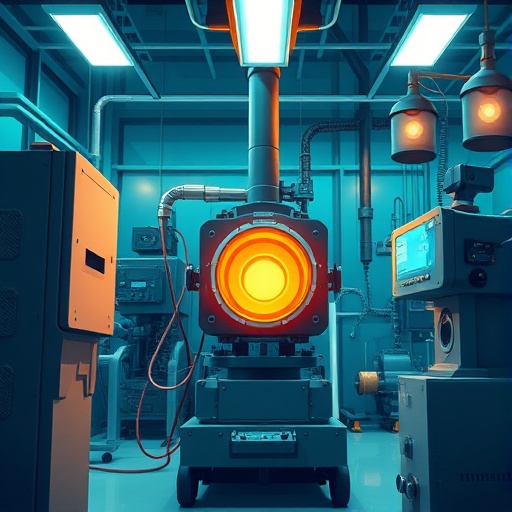
Advancements in NDT technologies propel nondestructive testing into a smarter era, with AI-driven analytics enhancing flaw detection. Machine learning algorithms process ultrasonic and radiographic data faster, identifying patterns humans might miss. Nondestructive testing services incorporate these innovations to boost accuracy in asset inspections.
Portable, wireless devices expand field applications, from drones for thermography to handheld ultrasonic units. Materials like advanced composites demand specialized NDT methods, spurring research into electromagnetic and laser-based techniques. Companies leading in nondestructive testing solutions invest in R&D, ensuring clients access cutting-edge tools.
These advancements reduce human error and inspection times, vital for high-volume industries. Nondestructive testing experts predict hybrid systems combining multiple modalities for unparalleled precision. As technologies mature, they promise safer, more efficient asset management worldwide.
Integration of NDT with Digital Solutions
Integration of NDT with digital solutions transforms data into predictive intelligence. Cloud platforms store inspection results from digital radiography or infrared thermography, enabling real-time monitoring of assets. Nondestructive testing services link IoT sensors with NDT data, creating digital twins for virtual simulations.
In chemical plants, this fusion forecasts corrosion progression, optimizing maintenance. Laboratories use AI to correlate historical NDT findings with operational metrics, refining integrity strategies. Nondestructive testing providers offer software suites that streamline reporting and compliance tracking.
The shift to digital enhances collaboration, allowing experts to analyze data remotely. This connectivity addresses the growing complexity of assets, ensuring proactive risk management. Future nondestructive assessment services will rely on these integrations for unparalleled efficiency and insight.
The Growing Demand for Nondestructive Assessment Services
The growing demand for nondestructive assessment services stems from heightened safety regulations and aging infrastructure. Industries like manufacturing and energy seek advanced NDT to extend asset life amid resource constraints. Nondestructive testing companies report surging inquiries for ultrasonic and thermographic evaluations.
Global pushes for sustainability amplify needs, as NDT supports eco-friendly maintenance by avoiding unnecessary replacements. Experts note increased adoption in emerging markets, where infrastructure booms require robust integrity checks. Nondestructive testing professionals train to meet this demand, focusing on scalable solutions.
Technological accessibility lowers barriers, drawing more firms to NDT. As risks from poor integrity rise, so does reliance on these services. This trend signals a future where nondestructive testing underpins resilient operations across sectors.
See Also
- From Corrosion to Calibration Nondestructive Testing as a Preventative Measure
- Demystifying Nondestructive Testing Techniques for Reliable Quality Assurance
- The Science Behind Nondestructive Evaluation Services Enhancing Structural Integrity
- Choosing the Right NDT Company Ensuring Regulatory Compliance and Excellence
- Exploring the Role of Digital Radiography in Nondestructive Testing Services