Unlocking Precision with CNC Turning Centers for Modern Manufacturing
The Evolution of CNC Turning Centers in Manufacturing
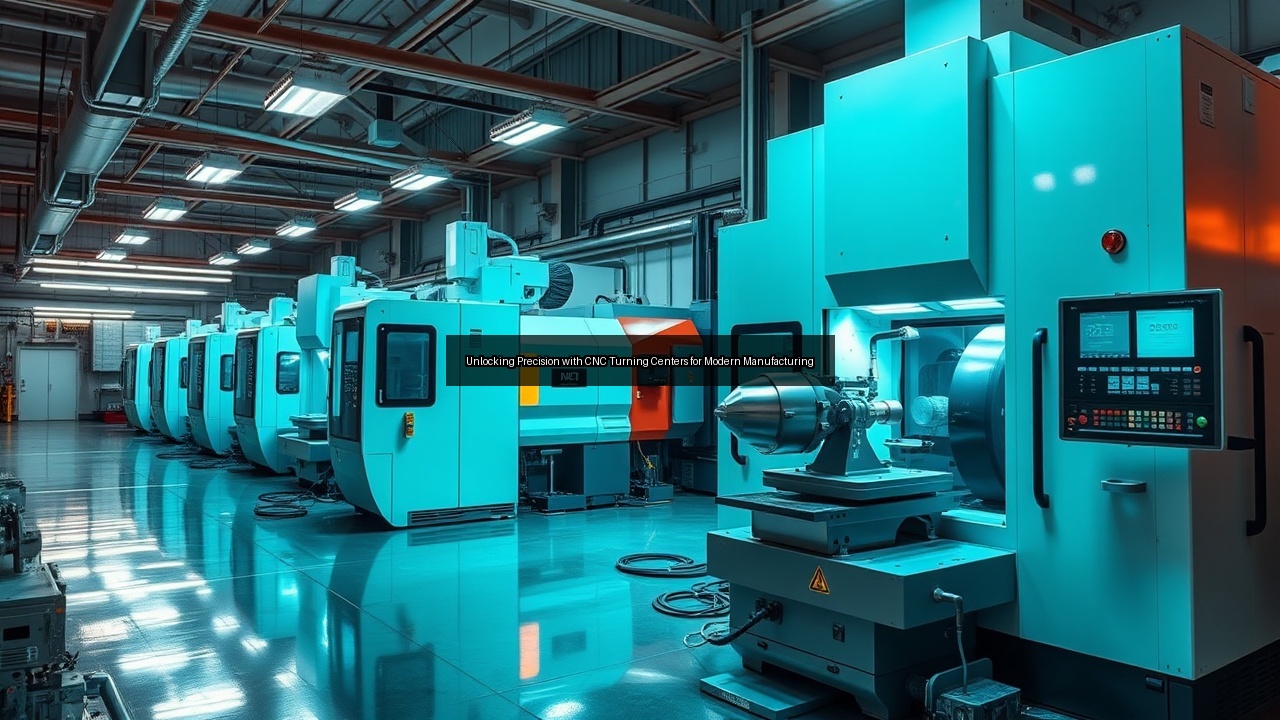
CNC turning centers revolutionized manufacturing by delivering unmatched precision and efficiency. Engineers once relied on manual processes, but these machines now dominate production lines across industries. They handle complex turning operations with speed and accuracy, transforming raw stock into finished components. From automotive parts to aerospace assemblies, CNC turning centers stand at the heart of modern machining.
Historical Overview of CNC Technology
CNC technology emerged in the mid-20th century, born from the need for automation in machining. Pioneers like John Parsons developed the first numerical control systems in the 1940s, using punched cards to guide machine tools. By the 1950s, MIT's Servomechanisms Laboratory advanced these ideas, leading to the first commercial CNC machines in the 1960s. The integration of computers in the 1970s accelerated adoption, with brands like Haas CNC paving the way for accessible systems. Today, CNC turning centers evolve from these roots, incorporating software that allows engineers to program intricate paths for lathes and mills. This shift reduced human error in turning operations and boosted productivity. Historical texts, such as engineering books on machine tools, detail how early CNC lathe machines replaced manual setups, enabling mass production of precision parts. The technology's growth mirrors industrial demands, from wartime needs to today's global supply chains. Without this foundation, modern CNC machining centers would not exist, as they build directly on decades of iterative improvements in control systems and hardware.
Comparison with Traditional Lathes
Traditional lathes demand skilled operators who manually adjust speeds and feeds, often leading to inconsistencies in turning. CNC lathes, by contrast, execute pre-programmed instructions flawlessly, ensuring every part meets exact tolerances. Manual lathes excel in one-off jobs or custom work, where flexibility trumps volume, but they falter in scalability. A CNC turning center processes multiple identical components without fatigue, integrating features like automatic tooling changes that manual versions lack. For instance, threading on a traditional lathe requires constant monitoring, while CNC handles it autonomously. Reliability in CNC turning operations surpasses manual methods, minimizing scrap rates and downtime. Engineers prefer CNC for high-volume runs in OEM production, where precision defines success. Traditional lathes persist in small shops or educational settings, teaching fundamentals, but they cannot compete with the efficiency of a CNC lathe machine. This comparison highlights why manufacturers upgrade: CNC turning centers deliver consistent quality, faster cycle times, and reduced labor costs, reshaping workflows in ways manual tools never could.
Advancements in CNC Machine Tools
Recent advancements in CNC machine tools push boundaries in speed, accuracy, and versatility. Multi-axis CNC turning centers now perform milling and turning in one setup, eliminating secondary operations. High-speed spindles and advanced servos enable finer cuts on tough materials like titanium. Software innovations, including simulation tools, allow engineers to test programs virtually before running them on the shop floor. Integration with CAD/CAM systems streamlines design to production, cutting lead times dramatically. Haas CNC leads with user-friendly interfaces that simplify complex setups for turning lathes. Enhanced coolant systems and vibration dampening improve surface finishes, crucial for automotive and aerospace applications. Machine tools now incorporate IoT for real-time monitoring, predicting maintenance needs and enhancing reliability. These developments extend to CNC mills and lathes, where hybrid models combine additive and subtractive processes. Engineers leverage these tools to create intricate geometries impossible a decade ago. As CNC machining evolves, it supports sustainable practices, like optimized material use from stock, reducing waste in turning machines.
Key Features and Components of CNC Turning Centers
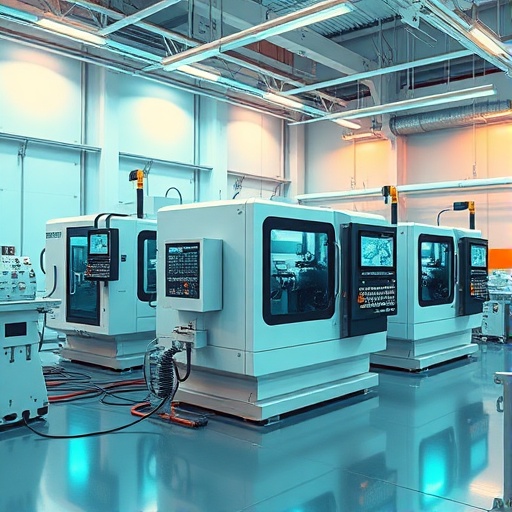
CNC turning centers pack sophisticated features that drive precision manufacturing. Core components work in harmony to shape metal and composites with minimal waste. From the spindle to the control panel, every element contributes to reliable performance in demanding environments. Understanding these aspects helps businesses select equipment that aligns with their production goals.
Understanding the Tailstock and Its Role
The tailstock anchors long workpieces in CNC turning centers, preventing deflection during operations like drilling or threading. It slides along the bedway and clamps securely, supporting the free end of stock for stability. In CNC lathe machines, programmable tailstocks automate positioning, syncing with the headstock for seamless workflows. This component shines in producing shafts or axles, where unsupported ends would vibrate and compromise accuracy. Engineers adjust quill movement via CNC controls, ensuring precise alignment for turning operations. Without a robust tailstock, machining centers risk chatter marks or dimensional errors, especially on slender parts. Modern designs include live tailstocks with rotating centers, enabling internal boring without repositioning. Reliability hinges on its integration; poor setup leads to uneven cuts in CNC turning. For OEMs, selecting a turning center with advanced tailstock features boosts throughput, as it handles diverse jobs from roughing to finishing. This often-overlooked part exemplifies how CNC evolution enhances traditional lathe functions, delivering consistency in high-stakes production.
Exploring CNC Lathe Machines and Their Capabilities
CNC lathe machines rotate workpieces against cutting tools to create cylindrical shapes, excelling in turning, facing, and grooving. They handle everything from small fasteners to large vehicle dynamics components, with capacities up to several meters in length. Advanced CNC lathe machines feature multiple turrets for simultaneous operations, slashing cycle times. Capabilities extend to contouring complex profiles via G-code programming, ideal for custom molds or prototypes. In a CNC turning center, the lathe integrates with Y-axis slides for off-center milling, blurring lines between turning and milling. Engineers program feeds and speeds through intuitive interfaces, optimizing for materials like aluminum or steel. Swiss lathes, a subset, use sliding headstocks for ultra-precision on tiny parts, minimizing tool deflection. CNC lathe machines thrive in automated environments, linking to robotics for unattended runs. Their versatility supports industries needing tight tolerances, such as medical devices. Reliability in CNC lathe operations stems from rigid frames and precise ball screws, ensuring repeatable results. As technology advances, these machines incorporate AI for adaptive control, further expanding capabilities in modern machining centers.
The Importance of Tooling in CNC Machining
Tooling forms the backbone of CNC machining, dictating cut quality and efficiency in turning centers. High-quality inserts and holders withstand heat and force, enabling clean cuts on various materials. In CNC turning machines, quick-change systems reduce setup times, keeping production flowing. Engineers select carbide or ceramic tools based on job demands, like high-speed threading or heavy roughing. Proper tooling prevents chatter and extends machine life, enhancing overall reliability. CNC machining centers rely on preset tool offsets for accuracy, avoiding recalibrations mid-run. Innovations like indexable inserts allow multiple edges per tool, cutting costs without sacrificing precision. For lathes and mills, compatible tooling ensures seamless transitions between operations. In automated setups, durable tooling supports lights-out manufacturing, minimizing interventions. OEMs prioritize tooling strategies to optimize stock removal rates, directly impacting profitability. Neglecting this aspect leads to poor finishes or tool breakage, disrupting workflows. Thus, investing in premium tooling elevates CNC turning performance, turning potential bottlenecks into strengths for competitive edges.
Applications of CNC Turning Centers in Modern Industries
CNC turning centers power diverse applications, from everyday consumer goods to mission-critical components. Their precision meets stringent industry standards, fostering innovation across sectors. By integrating with other processes, these machines enable holistic manufacturing solutions that drive efficiency and quality.
CNC Turning for Aerospace and Automotive Manufacturing
Aerospace demands lightweight, durable parts like turbine blades, where CNC turning centers deliver micron-level accuracy. Turning operations shape alloys such as Inconel, resisting extreme conditions in flight. Automotive manufacturing uses these machines for engine components, from pistons to transmission gears, ensuring vehicle dynamics through balanced designs. CNC turning machines process high volumes with repeatability, vital for assembly lines. In both fields, integration with milling creates complex geometries in one setup, reducing handling errors. Engineers program paths for intricate features like undercuts, using advanced CNC lathes from Haas CNC. Reliability in these applications prevents costly recalls; a single flaw in an aerospace part could be catastrophic. Automotive OEMs leverage CNC turning services for just-in-time delivery, syncing with global supply chains. Turning centers also handle custom molds for prototyping, accelerating development cycles. As electric vehicles rise, CNC turning adapts to new materials like composites, maintaining precision in evolving demands. This versatility solidifies CNC's role in propelling industry advancements.
Utilizing Swiss Lathes for Precision Parts
Swiss lathes specialize in micro-precision parts, guiding tools along the workpiece to eliminate deflection. Ideal for medical implants or watch components, they produce diameters as small as 0.2mm with tolerances under 5 microns. CNC Swiss lathes automate bar feeding from stock, enabling continuous production of intricate shafts or fittings. Their sliding headstock design supports overlapping operations, boosting efficiency in high-mix, low-volume runs. Engineers value the rigidity for hard materials, achieving flawless threading and profiling. In CNC turning centers, Swiss configurations integrate with secondary spindles for back-end machining, completing parts in one cycle. Reliability shines in regulated industries, where traceability via CNC controls ensures compliance. Compared to standard lathes, Swiss models excel in slender, long parts prone to bending. OEMs outsource to CNC turning services equipped with these for specialized needs. As miniaturization trends grow, Swiss lathes adapt with faster turrets and better chip evacuation. This focus on detail makes them indispensable for precision-driven sectors, enhancing overall machining capabilities.
3D-Printed Components and CNC Integration
3D printing builds prototypes rapidly, but CNC turning centers finish them for functional use, removing supports and achieving smooth surfaces. Hybrid workflows combine additive layers with subtractive turning, creating complex molds or lightweight structures. In CNC machining centers, post-print operations refine 3D-printed stock, blending technologies for superior results. Engineers design parts in software, then program CNC lathes to trim excesses precisely. This integration supports automotive prototypes testing vehicle dynamics or aerospace mockups. 3D printing's flexibility pairs with CNC's accuracy, reducing iterations in development. For production, CNC turning machines upscale hybrid parts, like custom gears with internal cooling channels. Tooling adapts to printed materials, ensuring clean cuts without delamination. Reliability improves as CNC verifies dimensions, compensating for printing variances. OEMs embrace this for rapid tooling, cutting lead times from weeks to days. Future setups may see in-line 3D printing and turning, streamlining workflows. Such synergy unlocks innovative designs, where organic shapes meet machined precision, revolutionizing manufacturing paradigms.
Automation and Robotics in CNC Turning
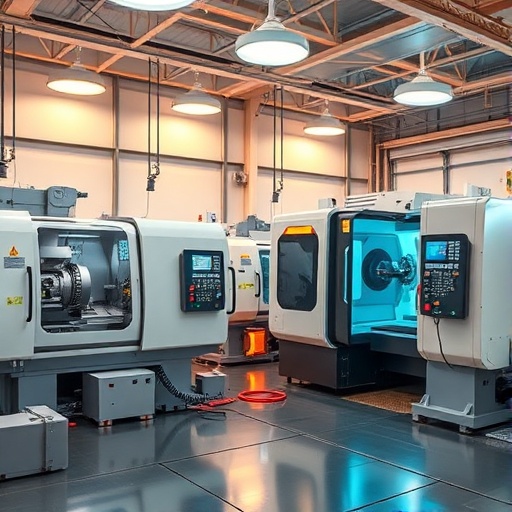
Automation elevates CNC turning by minimizing human input and maximizing output. Robotics handle loading and unloading, creating seamless production cells. This shift not only cuts costs but also enhances safety and consistency in turning operations.
The Role of Automation in Enhancing Productivity
Automation in CNC turning centers streamlines workflows, allowing machines to run unattended for extended periods. Automated tool changers and bar feeders process raw stock into finished goods without pauses, skyrocketing throughput. Engineers design systems where sensors detect faults, halting operations to prevent waste. In CNC lathe machines, automation integrates with conveyors for part sorting, optimizing factory layouts. Productivity surges as cycle times drop; a single turning center might output hundreds of parts per shift. Reliability increases with predictive maintenance, using data from automated CNC controls to schedule upkeep. For OEMs, this means scalable production matching demand fluctuations. Haas CNC offers plug-and-play automation kits, easing adoption for small shops. Threading and milling operations benefit equally, with automated spindles maintaining speeds. As labor shortages persist, automation fills gaps, training operators for oversight roles. Overall, it transforms CNC turning into a powerhouse of efficiency, where idle time vanishes and quality holds steady.
Integrating CNC Turning Machines with Robotic Systems
Robotic arms load blanks into CNC turning machines, grasp finished parts, and transfer them to inspection stations, creating end-to-end automation. Integration via Ethernet or PLCs ensures synchronized movements, avoiding collisions in tight spaces. In machining centers, robots perform deburring or secondary milling, expanding a turning center's scope. Engineers program collaborative bots to work alongside humans, enhancing safety in high-volume runs. CNC lathe machines pair with six-axis robots for palletizing, streamlining logistics. This setup boosts reliability by reducing handling damage, preserving part integrity. For automotive lines, robots feed stock continuously, supporting just-in-time manufacturing. Tooling interfaces allow robots to swap inserts, minimizing downtime. Haas CNC systems include robot-ready options, simplifying setup. As robotics evolve, vision systems enable adaptive gripping for varied geometries. OEMs gain from this integration, achieving 24/7 operations with fewer errors. Ultimately, it redefines CNC turning as a robotic ecosystem, where precision meets agility for superior results.
Future Trends in Automated CNC Machining
Future automated CNC machining will leverage AI to optimize paths in real-time, adjusting for material variations during turning. Digital twins simulate entire production lines, predicting bottlenecks before they occur. CNC turning centers will incorporate 5G for remote monitoring, allowing engineers to tweak programs from anywhere. Hybrid automation blends 3D printing with turning and robotics, producing assembled components in one cell. Sustainability drives trends like energy-efficient spindles and recyclable tooling. Machine tools evolve with modular designs, swapping modules for milling or Swiss-style operations. Reliability advances through blockchain for supply chain traceability of parts. OEMs will adopt cloud-based CNC platforms, sharing data across facilities. Collaborative robots grow smarter, learning from past runs to refine techniques. As vehicle dynamics demand lighter parts, automated CNC handles exotic alloys effortlessly. Engineering books already forecast this era, where human oversight focuses on innovation. These trends promise unprecedented efficiency, positioning automated CNC as the cornerstone of Industry 4.0.
Choosing the Right CNC Turning Equipment for Your Business
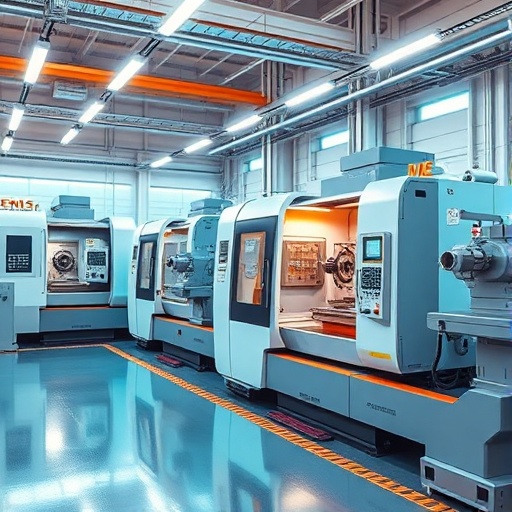
Selecting CNC turning equipment requires balancing needs, budget, and long-term value. The right choice streamlines operations and scales with growth. Businesses must evaluate options thoroughly to avoid mismatches that hinder productivity.
Evaluating CNC Turning Services for OEMs
OEMs seek CNC turning services that deliver prototypes to high-volume runs with unwavering precision. Providers with diverse fleets, including Swiss lathes and multi-axis centers, handle complex geometries for automotive or aerospace needs. Evaluate turnaround times; top services use automated CNC lathe machines to meet tight deadlines. Quality certifications like ISO ensure reliability in turning operations. Engineers assess capabilities through site visits or sample runs, verifying tolerances on stock materials. Cost structures vary—per-part fees suit low volumes, while dedicated lines benefit large orders. Integration with client CAD files streamlines communication, reducing errors. For vehicle dynamics components, services offering simulation tools predict performance. Reputable firms provide traceability, tracking each part from raw stock to delivery. OEMs prioritize partners with robust tooling inventories to avoid delays. In the end, choosing services aligns with strategic goals, fostering reliable supply chains that support innovation and market responsiveness.
Key Considerations for Selecting a CNC Machining Center
When selecting a CNC machining center, prioritize spindle power and axis count to match job complexity. For turning-heavy work, opt for centers with robust tailstocks and high-speed turrets. Footprint matters; compact models fit smaller shops without sacrificing capability. Software compatibility ensures seamless programming for lathes and mills. Reliability factors include warranty, service networks, and uptime ratings—Haas CNC excels here with local support. Assess automation readiness, like robotic interfaces, for future-proofing. Budget for extras: coolant systems enhance longevity in threading or milling. Engineers test demos to gauge ease of use, crucial for skilled operators. Material versatility—from plastics to superalloys—defines versatility in CNC turning. Vendor reputation and user reviews guide decisions, avoiding hidden costs. Energy efficiency reduces operating expenses over time. Ultimately, the right machining center boosts productivity, aligning with business scale and turning ambitions into tangible outputs.
Cost vs. Reliability in CNC Turning Operations
Cost in CNC turning operations tempts with cheap imports, but reliability often suffers from frequent breakdowns and poor accuracy. Invest in proven brands for durable frames and precise controls, paying upfront for long-term savings. Downtime from unreliable turning machines erodes profits faster than higher initial costs. Engineers calculate total ownership: energy use, maintenance, and scrap rates factor heavily. Automated features, like self-diagnostic CNC lathes, enhance reliability without inflating budgets excessively. For OEMs, reliable equipment ensures on-time deliveries, preserving client trust. Compare quotes holistically—low-cost options may lack tooling flexibility, complicating jobs. Haas CNC balances price with performance, offering scalable reliability. In high-stakes fields like aerospace, skimping risks recalls costing millions. Training programs build operator skills, maximizing equipment value. As operations grow, reliable CNC turning centers scale efficiently, justifying the investment. Prioritize this balance to forge a competitive edge, where quality trumps short-term savings every time.
See Also
- The Evolution of Turning Machines How CNC Technology Transforms Machining
- Maximizing Efficiency in Your Workshop with Advanced CNC Turning Solutions
- From Lathes to Automation The Future of CNC Turning in Vehicle Dynamics
- Exploring the Role of CNC Turning Centers in the World of 3D Printing and Tooling