Unlocking the Secrets of CNC Swiss Precision Machining for Complex Designs
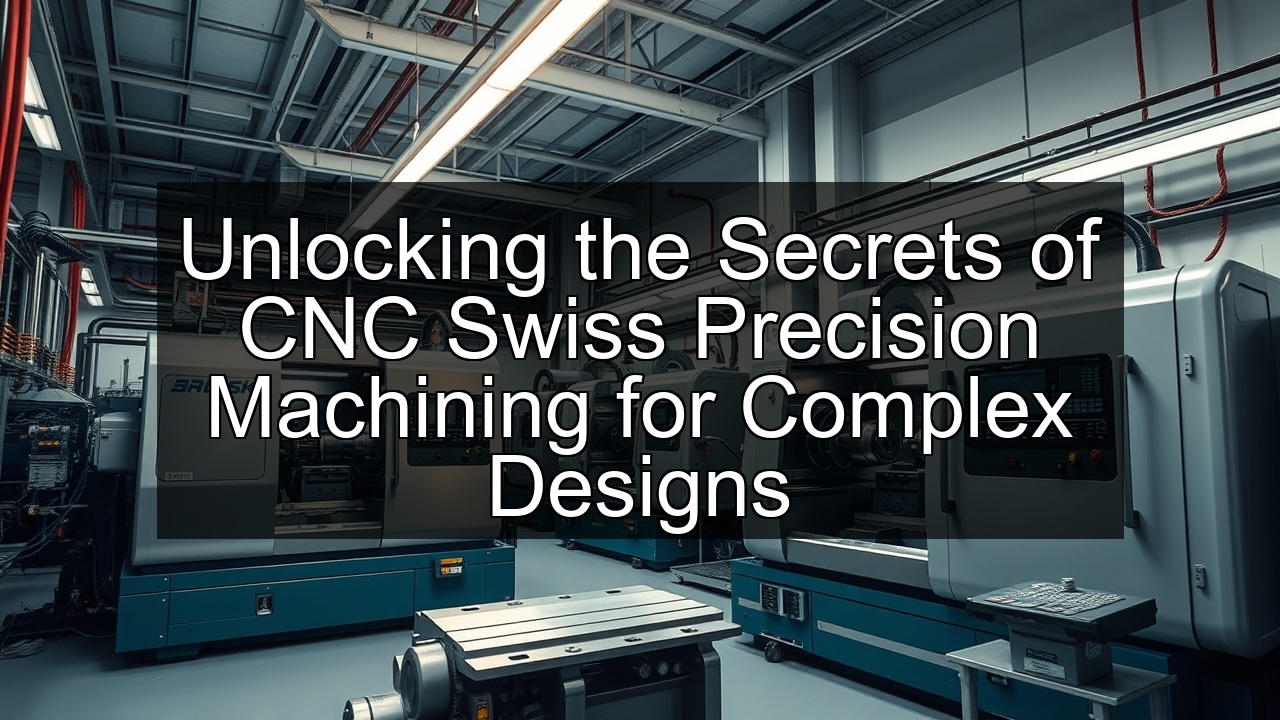
Understanding CNC Swiss Precision Machining
What is CNC Swiss Precision Machining?
CNC Swiss precision machining revolutionizes how engineers tackle intricate parts with demanding tolerances. This advanced process uses computer numerical control (CNC) to guide sliding headstock lathes, originally inspired by Swiss screw machining techniques from the watchmaking era. In essence, a swiss lathe holds the workpiece in a collet while tools approach from multiple angles, allowing simultaneous operations like turning, drilling, and milling. Manufacturers rely on this method for components that demand micron-level accuracy, especially in high-complexity designs where traditional setups fall short. CNC swiss precision machining excels in producing long, slender parts without deflection, making it ideal for medical devices, aerospace fittings, and electronics hardware. The integration of CAD software ensures precise programming, reducing human error and enabling batch production of cnc machined parts. Precision machining services built around this technology offer versatility, from prototyping to full-scale manufacturing. As industries push boundaries in design for manufacturability, CNC swiss machining stands out for its ability to handle materials like titanium, stainless steel, and plastics with unwavering reliability. Engineers appreciate how it combines the finesse of swiss screw machining with modern CNC capabilities, delivering parts that meet stringent quality standards every time.
Key Characteristics of CNC Swiss Machining
CNC Swiss machining thrives on its guide bushing system, which supports the workpiece close to the cutting tools and minimizes vibration for superior surface finishes. This setup enables multiple tool stations to operate concurrently, boosting throughput in complex geometries. Accuracy defines the process, with tolerances often reaching ±0.0001 inches, far surpassing standard CNC lathes. Efficiency shines through reduced setup times and minimal material waste, as the sliding mechanism allows for precise control over slender profiles. Tooling in CNC swiss precision machining features live tooling for secondary operations like grinding and cnc milling, all within one machine cycle. Coolant management plays a crucial role, flooding the cutting zone to dissipate heat and extend tool life. Manufacturers value the process's adaptability to small-diameter parts, from 0.010 inches up, perfect for screw machined components in automotive sensors or hydraulic fittings. The technology's robustness handles high-volume runs without compromising quality, making it a staple in precision swiss machining. Overall, these traits position CNC swiss machining as a powerhouse for engineering teams seeking reliable, high-precision outcomes in demanding applications.
Comparison with Traditional Machining Techniques
Traditional machining techniques, such as manual lathes or basic milling, rely heavily on operator skill and often struggle with the complexity of modern designs. CNC swiss precision machining outpaces these methods by automating processes through programmed instructions, ensuring consistent results across batches. While conventional turning centers might require multiple setups for drilling and threading, a swiss lathe completes these in one pass, slashing cycle times. Accuracy in traditional approaches varies with human intervention, but CNC systems maintain uniformity, vital for industries like aerospace where deviations prove costly. Efficiency gains become evident in waste reduction; swiss screw machining's precise control minimizes scrap compared to older gang-tool lathes. Cost-wise, traditional setups demand more labor and downtime, whereas CNC machining services streamline operations with integrated automation. For instance, grinding operations that once needed separate machines now integrate seamlessly in CNC swiss setups. Machine shops offering swiss machining services highlight how this evolution enhances design for manufacturability, allowing tighter tolerances without added expense. In head-to-head scenarios, CNC swiss precision machining delivers faster, more reliable production for complex, high-volume needs, leaving legacy techniques for simpler tasks.
The Advantages of CNC Swiss Precision Machining
Unmatched Accuracy in Complex Designs
Engineers designing intricate components turn to CNC swiss precision machining for its unparalleled accuracy in handling complexity. The sliding headstock design keeps the workpiece stable, preventing bends or chatter during operations like deep-hole drilling. This results in parts with features as fine as 0.001 inches, essential for medical implants or optical instruments. Unlike standard cnc lathes, swiss machining supports multiple axes simultaneously, enabling complex contours without repositioning. Accuracy stems from rigid tooling and advanced sensors that monitor and adjust in real-time, compensating for thermal expansion. In manufacturing, this precision reduces post-processing needs, such as secondary grinding, saving time and resources. Precision cnc machining capabilities shine in prototypes where design iterations demand flawless execution. Manufacturers achieve sub-micron finishes on cnc machined surfaces, meeting aerospace standards effortlessly. The process's tolerance control proves invaluable for screw machined parts in electronics, where even minor flaws disrupt functionality. By prioritizing accuracy, CNC swiss precision machining empowers innovative designs that push engineering limits while upholding quality assurance protocols.
Enhanced Efficiency and Speed
CNC swiss precision machining boosts efficiency by performing turning, milling, and drilling in a single setup, cutting production times dramatically. Live tooling on the swiss lathe allows overlapping operations, so while one tool cuts, another prepares the next feature. This parallelism accelerates throughput, ideal for high-volume runs in automotive or consumer electronics. Speed comes from optimized feed rates and spindle controls, tailored via CNC software for specific materials. Efficiency extends to material utilization; the guide bushing minimizes overhang, reducing scrap and enabling longer parts without support. In comparison to traditional cnc milling, swiss machining handles slender profiles faster, avoiding the need for fixtures that slow setups. Machine shops leverage this for rapid turnaround in cnc services, meeting tight deadlines without quality dips. Automation in coolant delivery keeps operations smooth, preventing heat buildup that could halt progress. Overall, the enhanced speed and streamlined workflow make CNC swiss precision machining a go-to for manufacturers aiming to scale production while maintaining precision in complex assemblies.
Cost-Effectiveness in Manufacturing Processes
Manufacturers discover cost-effectiveness in CNC swiss precision machining through reduced labor and material costs over time. Initial investments in swiss lathes pay off with high-volume capabilities, amortizing expenses across thousands of parts. The process eliminates multiple machine transfers, lowering overhead from setups and handling. Efficiency in tooling reduces replacement frequency, as durable inserts handle diverse operations like threading and grooving. In precision machining services, this translates to competitive pricing for clients needing cnc machined components. Waste minimization—often under 5%—further trims expenses, especially with expensive alloys like inconel. Compared to die casting for prototypes, swiss machining offers flexibility without molds, cutting upfront costs. Screw machine operations excel in batch sizes from medium to large, balancing economy with customization. Engineering teams benefit from design for manufacturability principles embedded in the process, avoiding costly redesigns. Swiss machining companies streamline supply chains by integrating in-house cnc machining centers, delivering value without outsourcing premiums. Ultimately, this approach optimizes budgets while delivering high-accuracy results for sustained profitability.
Applications of CNC Swiss Precision Machining
Industries Benefiting from Swiss Machining
Aerospace engineers depend on swiss machining for turbine blades and fuel system fittings, where precision ensures safety and performance. Medical device manufacturers craft surgical tools and implants using CNC swiss precision machining, achieving biocompatibility and tight tolerances for minimally invasive tech. In automotive, screw machined valves and sensors withstand harsh environments, thanks to the process's durability. Electronics firms produce connectors and housings with micron accuracy, supporting compact circuit designs. Defense applications include firearm components and guidance systems, leveraging the technology's reliability under stress. Oil and gas sectors utilize swiss lathe parts for downhole tools, resisting corrosion in extreme conditions. Robotics benefits from lightweight, precise linkages that enhance automation precision. Swiss machine shops serve these diverse fields by offering tailored cnc services, from custom prototypes to mass production. The versatility of CNC swiss machining adapts to various materials, driving innovation across industries. Precision swiss machining companies continue to expand applications, meeting evolving demands in high-stakes environments.
Role in Rapid Prototyping and Product Development
Rapid prototyping accelerates with CNC swiss precision machining, allowing quick iterations of complex designs without tooling delays. Engineers upload CAD files directly to the CNC machine, generating functional prototypes in hours rather than days. This speed aids product development by enabling early testing of fit and function in screw machined parts. Unlike 3D printing, swiss machining delivers metal prototypes with production-grade accuracy, ideal for validating manufacturing processes. In design for manufacturability, the process highlights potential issues like undercuts early, refining concepts cost-effectively. Machine shops specializing in cnc services provide on-demand runs, supporting agile development cycles in startups and R&D labs. Integration with simulation software predicts outcomes, minimizing physical trials. For industries like biotech, rapid prototypes of cnc machined implants speed regulatory approvals. The technology's efficiency ensures prototypes mirror final parts, bridging the gap to full-scale production seamlessly. CNC swiss precision machining thus fuels innovation, turning ideas into market-ready solutions faster.
Integration with Die Casting and CNC Machining Centers
CNC swiss precision machining complements die casting by post-processing castings with precision features like threads and bores. Manufacturers use swiss lathes to refine die-cast housings, adding complex geometries unattainable in casting alone. This hybrid approach enhances accuracy for automotive transmission parts, blending the volume efficiency of die casting with swiss machining's finesse. CNC machining centers handle larger components, while swiss setups tackle intricate details, creating a streamlined workflow. In engineering, integration optimizes design for manufacturability, reducing assembly steps. For example, a die-cast frame might undergo swiss screw machining for mounting holes, ensuring alignment. Coolant and tooling advancements facilitate smooth transitions between processes, maintaining surface integrity. Precision cnc machining services offer end-to-end solutions, from casting to finishing, cutting lead times. Aerospace firms employ this for hybrid structures, combining lightweight castings with machined precision. Overall, pairing CNC swiss precision machining with die casting and cnc machining centers unlocks versatile manufacturing, delivering robust, high-performance parts efficiently.
The Technology Behind CNC Swiss Precision Machining
Overview of Swiss Lathes and Screw Machines
Swiss lathes form the backbone of CNC swiss precision machining, featuring a sliding headstock that moves the collet along the Z-axis while the spindle rotates. This configuration, evolved from original screw machines, supports bar stock feeding for continuous production. Modern CNC versions incorporate multi-axis controls, enabling up to nine axes for simultaneous operations. Screw machines, once cam-driven, now rely on digital programming for flexibility in complex profiles. Key components include the guide bushing, which stabilizes the bar near cutting tools, and gang tooling plates for quick changes. CNC lathes in this category handle diameters from micro to 1 inch, suiting diverse applications. Automation features like bar loaders extend unmanned runtime, boosting factory output. Manufacturers customize swiss lathes with probing systems for in-process gauging, ensuring cnc machined accuracy. The technology's heritage in precision watch parts informs its current role in advanced engineering, where reliability meets innovation. Swiss screw machining persists as a benchmark for high-precision, low-volume to high-volume needs.
Importance of Tooling and Coolant Management
Tooling in CNC swiss precision machining demands high-quality inserts and holders to withstand intense forces during multi-operation cycles. Carbide tools with coatings excel in drilling and turning tough materials, maintaining edges for consistent accuracy. Modular systems allow rapid swaps, minimizing downtime in machine shops. Proper tooling alignment via digital setters prevents errors in complex designs. Coolant management proves critical, delivering high-pressure fluids to flush chips and cool the interface, extending tool life by up to 50%. Synthetic coolants reduce thermal distortion, vital for slender parts prone to warping. Integrated filtration systems in swiss lathes recycle coolant, promoting sustainability and cost savings. Engineers optimize flow rates through CNC programming, tailoring to operations like grinding or cnc milling. In swiss machining services, advanced coolant tech prevents corrosion on machined surfaces, enhancing part quality. Neglecting these elements risks defects, but mastery ensures efficiency and precision across production runs. This focus on tooling and coolant underscores the technology's edge in demanding manufacturing environments.
Automation Trends in CNC Machining Services
Automation trends reshape CNC machining services, with robotic arms loading bars into swiss lathes for lights-out operation. AI-driven software predicts maintenance, preventing breakdowns in high-volume screw machining. Collaborative robots assist in tooling changes, speeding setups for diverse jobs. In cnc swiss precision machining, IoT sensors monitor vibrations and temperatures, adjusting parameters in real-time for optimal accuracy. Cloud integration allows remote programming, enabling global manufacturers to oversee production. Trends toward hybrid machines combine swiss capabilities with additive processes, expanding design possibilities. Machine shops adopt digital twins to simulate runs, refining efficiency before physical starts. Automation reduces labor costs while upholding quality in precision cnc machining. For swiss machining companies, pallet systems automate part handling, streamlining workflows from raw stock to finished cnc machined components. Future integrations with 5G enhance data flow, pushing boundaries in speed and reliability. These advancements make CNC machining services more accessible and robust for engineering challenges.
Choosing the Right CNC Swiss Machining Service
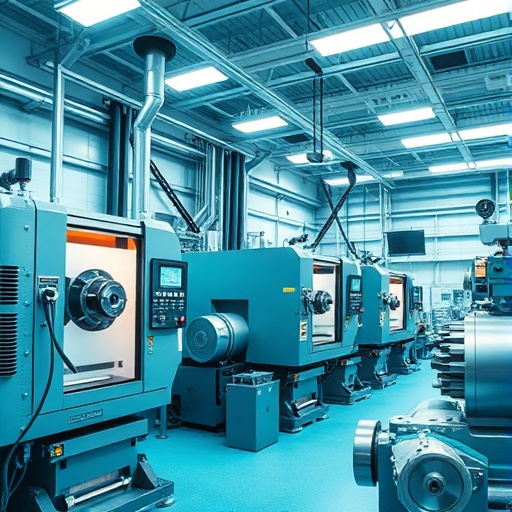
Factors to Consider When Selecting Manufacturers
Select CNC swiss machining manufacturers by evaluating their experience with your industry's tolerances and materials. Look for certifications like ISO 9001, ensuring consistent quality in precision processes. Facility tours reveal capabilities in swiss lathes and cnc machining centers, confirming capacity for your volumes. Review case studies on complex designs to gauge expertise in screw machined parts. Lead times and scalability matter; top swiss machining companies offer flexible options from prototypes to production. Cost transparency, including tooling fees, avoids surprises in budgeting. Customer support, from design consultation to post-delivery, enhances collaboration. Assess sustainability practices, like coolant recycling, aligning with modern standards. Swiss machine shops with in-house engineering teams excel in design for manufacturability, optimizing your parts early. Vendor reliability through references and uptime stats prevents delays. Prioritize those integrating automation for efficiency. By weighing these factors, you partner with manufacturers delivering reliable CNC swiss precision machining services tailored to your needs.
Evaluating Precision CNC Machining Capabilities
Evaluating precision CNC machining capabilities starts with inspecting equipment; state-of-the-art swiss lathes with multi-axis controls signal advanced potential. Test their tolerance achievements on sample parts, targeting sub-0.0005-inch precision for your applications. Software proficiency in CAD/CAM integration ensures seamless file handling for complex geometries. Versatility across operations—turning, drilling, grinding—demonstrates comprehensive services. Quality control measures, like CMM inspection, verify accuracy in cnc machined outputs. Capacity for materials from alloys to composites shows adaptability. Turnaround metrics reveal efficiency in rapid prototyping or high-volume runs. Feedback from past clients highlights reliability in swiss cnc machining. Innovation in automation and coolant systems indicates forward-thinking capabilities. For precision swiss machining, prioritize providers with R&D focus, adapting to evolving engineering demands. This thorough assessment secures partners excelling in CNC swiss precision machining, delivering parts that meet exact specifications.
The Future of Swiss Machining in Engineering and Design
The future of swiss machining in engineering and design promises deeper AI integration for predictive modeling, optimizing tool paths for even greater efficiency. Advances in nanomaterials will enhance swiss lathe performance, enabling finer features in micro-components. Hybrid systems merging CNC swiss precision machining with 3D printing will revolutionize prototyping, blending subtractive and additive strengths. Sustainability drives coolant innovations and energy-efficient cnc machines, reducing environmental impact. In design, VR simulations will allow virtual testing of screw machined parts before production. Global supply chains evolve with localized swiss machining services, shortening lead times. Engineering fields like biotech and renewables will leverage the technology for custom implants and turbine fittings. Automation expands to full digital factories, where CNC services predict and adapt to demands. Precision cnc machining will push tolerances further, supporting next-gen devices. As complexity rises, swiss machining remains pivotal, empowering designers to innovate without manufacturing constraints.