Unlocking the Secrets of Food Grade Lubricants for Safe Food Processing
Understanding Food Grade Lubricants
What Makes a Lubricant Food Grade?
Food grade lubricants stand out because manufacturers design them specifically for environments where incidental contact with food might occur. These specialized products meet stringent criteria that ensure they pose no health risks if they accidentally mix with consumables. Base oils, often derived from synthetic or highly refined mineral sources, form the foundation of these lubricants. Additives play a crucial role too, providing stability without introducing harmful chemicals. The National Sanitation Foundation (NSF) categorizes them into types like H1 for incidental contact and H2 for non-food areas, but H1 remains the gold standard for food processing. Purity levels matter immensely; free from heavy metals, pesticides, and other contaminants, these lubes safeguard public health. Producers rigorously test them against microbial growth and oxidation to maintain performance under harsh conditions like high heat or moisture. Choosing the right food grade lubricant involves understanding viscosity grades that suit specific machinery speeds and loads. In the end, what defines a food grade lubricant boils down to its compliance with safety protocols that prioritize consumer protection over mere functionality. This focus on quality ingredients and testing processes sets them apart from standard industrial options, making them indispensable in modern food production lines.
The Importance of Food Safety in Lubrication
Food safety drives every aspect of lubrication in processing facilities, where even tiny amounts of contamination can lead to widespread health issues. Effective lubrication prevents equipment breakdowns that might halt production and invite bacterial proliferation in uncleaned areas. By selecting food grade lubricants, operators minimize risks associated with lubricant migration into food products during operations like mixing or packaging. These lubes reduce friction, extending machine life and ensuring consistent output without compromising hygiene standards. In an industry where recalls cost millions and erode trust, proper lubrication acts as a frontline defense. Workers must handle these products with care, storing them away from raw ingredients to avoid cross-contamination. Training programs emphasize the role of lubrication in maintaining sanitary conditions, aligning with broader food safety initiatives. Ultimately, integrating food safety into lubrication choices not only complies with legal mandates but also boosts operational efficiency. Facilities that prioritize this see fewer downtime incidents and higher product quality, reinforcing the link between reliable lubrication and overall food integrity. Ignoring these principles invites regulatory scrutiny and potential shutdowns, underscoring why food safety remains non-negotiable in every lubrication decision.
Regulatory Standards and Verification
Overview of Safety Regulations for Food Grade Lubricants
Safety regulations for food grade lubricants form a robust framework that governs their production and use across global food processing sectors. Bodies like the FDA in the United States set baselines, requiring that these products remain non-toxic even upon incidental contact. European counterparts, through the EU's Regulation (EC) No 1935/2004, enforce similar standards, mandating that materials in contact with food do not alter composition or endanger health. These rules cover everything from raw material selection to final formulation, ensuring lubricants withstand processing rigors without degrading into harmful byproducts. International harmonization efforts, such as those under Codex Alimentarius, promote consistency, helping manufacturers navigate diverse markets. Compliance involves detailed documentation, including safety data sheets that outline composition and potential hazards. Audits and inspections verify adherence, with non-compliance leading to fines or market bans. For food processors, understanding these regulations means selecting lubricants that align with local laws while exceeding minimum requirements. This regulatory landscape evolves with scientific advancements, incorporating new insights on allergen risks and environmental impacts. By staying informed, companies protect consumers and their reputations in an increasingly vigilant industry.
USDA and ISO 22000 Compliance
USDA compliance anchors much of the oversight for food grade lubricants in the U.S., with its H1 registration program certifying products safe for incidental food contact. This involves submitting formulations for review, where experts assess ingredients against toxicity thresholds and performance claims. Manufacturers must renew registrations periodically, proving ongoing safety through updated testing. ISO 22000 takes a broader approach, integrating food safety management systems that encompass lubrication practices within the entire supply chain. This standard requires organizations to identify hazards, implement controls, and verify effectiveness through audits. For lubricants, it means ensuring suppliers meet hygiene protocols and that end-users apply them correctly. Combining USDA's product-specific focus with ISO 22000's systemic view creates a comprehensive compliance strategy. Food processors benefit from certified lubricants that streamline certification processes for their own operations. Challenges arise in global trade, where aligning USDA and ISO requirements demands meticulous record-keeping. Yet, adherence yields advantages like reduced liability and enhanced market access. As regulations tighten, proactive compliance positions companies as leaders in food safety, fostering trust among stakeholders and consumers alike.
Verification Processes for Manufacturers
Verification processes for manufacturers of food grade lubricants involve multi-layered testing and documentation to confirm product integrity. Independent labs conduct chemical analyses, checking for impurities and ensuring additive compatibility with food safety norms. NSF International often oversees third-party audits, issuing certifications that validate claims. Manufacturers maintain batch records, tracing every component from sourcing to packaging, which allows quick recalls if issues emerge. On-site inspections evaluate production facilities for cleanliness and segregation of food-grade lines from industrial ones. Performance verification includes simulated food contact tests, measuring leachability under heat and pressure. Digital tools now track compliance in real-time, flagging deviations for immediate correction. For global manufacturers, aligning with multiple standards like USDA and ISO 22000 requires harmonized protocols. Training verifies employee adherence to good manufacturing practices, minimizing human error. Post-verification, ongoing monitoring through customer feedback and periodic re-testing sustains certification. These rigorous steps not only meet regulatory demands but also build confidence in the supply chain. Ultimately, thorough verification ensures food grade lubricants deliver reliability without risking food safety, a cornerstone for manufacturer credibility in competitive markets.
Types of Food Grade Lubricants
Greases vs. Oils: What to Choose for Food Processing
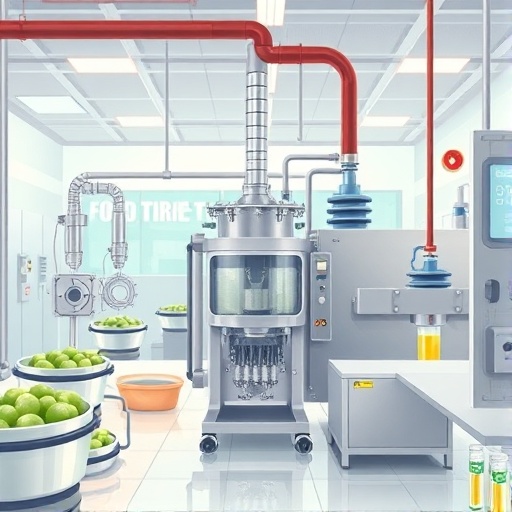
Greases and oils serve distinct roles in food processing, with the choice hinging on equipment needs and environmental factors. Oils excel in high-speed applications like pumps and conveyors, flowing easily to reduce wear without leaving residues. Their lower viscosity suits continuous operations, but they require frequent reapplication to maintain effectiveness. Greases, thickened with soaps or polymers, cling to surfaces in slow-moving parts such as bearings and gears, offering superior sealing against contaminants. In food processing, where washdowns are routine, water-resistant greases prevent ingress of moisture and debris. Both must be food grade to avoid contamination risks, but oils often incorporate anti-foam agents for splashing environments, while greases prioritize load-bearing capacity. Cost considerations play in too; oils might seem economical upfront, but greases extend intervals between lubrications, cutting labor costs. Selecting the wrong type leads to failures—oils in sealed bearings could leak, while greases in fast lines might overheat. Experts recommend assessing temperature ranges, with synthetic options handling extremes better. Hybrid approaches, like oil-infused greases, emerge for versatile needs. By matching grease or oil to specific machinery, processors optimize performance and uphold food safety standards.
Applications of Food Grade Lubricants in the Industry
Food grade lubricants find essential applications across diverse food processing segments, from baking to beverage production. In meat packing plants, they lubricate slicing blades and fillers, preventing stickiness while resisting animal fats. Dairy facilities rely on them for homogenizers and pasteurizers, where hygiene demands quick-cleaning formulas. Bakery lines use these lubes on dough mixers and ovens to handle high temperatures without smoking or odor transfer. Beverage bottling employs them in capping machines, ensuring smooth operation amid wet conditions. Pharmaceutical food extensions, like nutraceuticals, demand ultra-pure variants for tablet presses. In canning operations, lubricants protect seamers from corrosion by acidic contents. Versatile H1-rated products suit multi-purpose needs, reducing inventory complexity. Custom formulations address niche challenges, such as anti-microbial additives for ready-to-eat lines. Integration with automated systems allows precise dispensing, minimizing overuse and waste. As industry scales, these lubricants support faster throughputs without safety trade-offs. Training operators on application techniques maximizes benefits, ensuring even coverage and contamination avoidance. Overall, strategic use of food grade lubricants enhances efficiency, cuts downtime, and maintains the integrity of food products from farm to table.
Key Properties of Effective Food Grade Greases
Effective food grade greases boast properties that balance performance with safety in demanding food processing environments. High thermal stability prevents breakdown at elevated temperatures, crucial for ovens and fryers. Water resistance stands out, repelling splashes during cleaning cycles without emulsifying. These greases maintain consistency, neither hardening in cold storage nor liquefying under heat. Mechanical stability ensures they withstand shear forces in gears and bearings, prolonging equipment life. Low toxicity defines their core, with ingredients passing stringent migration tests for incidental contact. Anti-wear additives, like molybdenum disulfide in select formulas, reduce friction without compromising edibility. Odorless and tasteless profiles avoid sensory impacts on products. Viscosity modifiers allow tailoring to specific speeds and loads, from heavy mixers to light conveyors. Corrosion inhibition protects metal surfaces from acidic or salty foods. Environmental compatibility, such as biodegradability, appeals to eco-conscious operations. Testing verifies these traits under simulated conditions, confirming real-world reliability. Manufacturers innovate with synthetic bases for extended service life. Selecting greases with these properties minimizes risks, boosts operational uptime, and aligns with food safety imperatives, making them a smart investment for processing reliability.
Implementing Food Grade Lubricants in Processing Operations
Conducting a Hazard Analysis for Lubrication
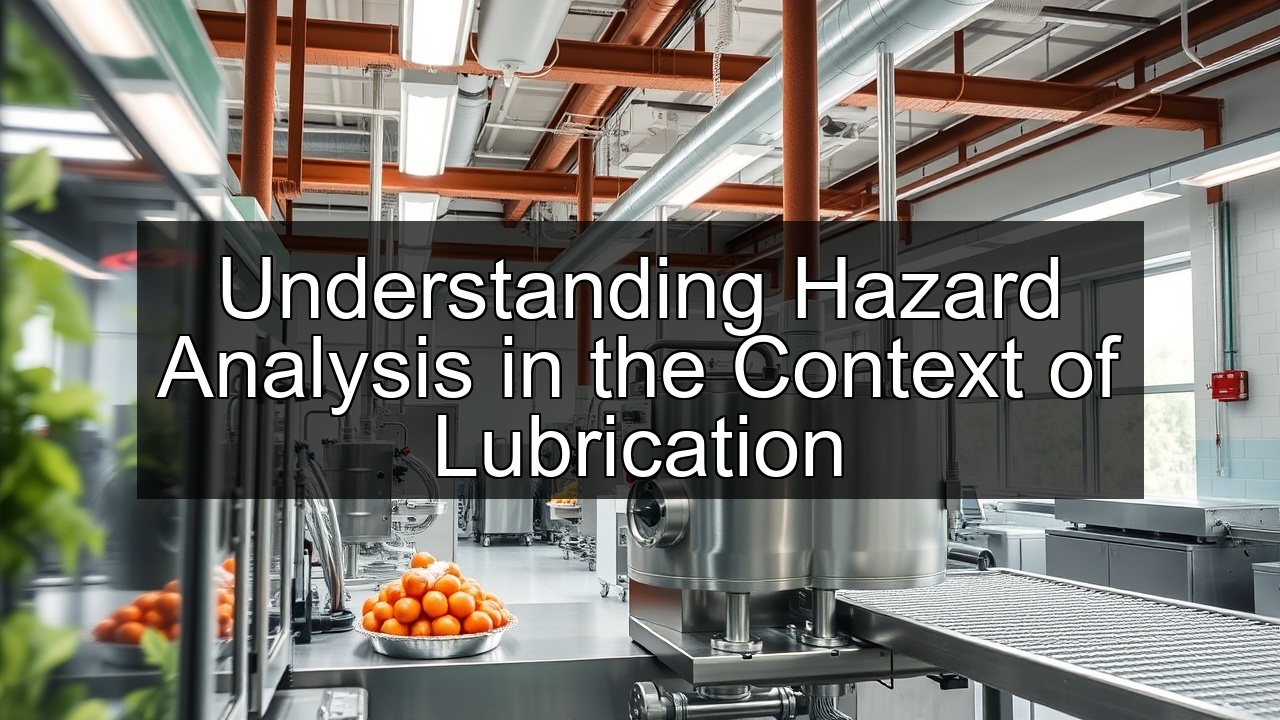
Conducting a hazard analysis for lubrication identifies potential risks in food processing setups, aligning with HACCP principles to preempt contamination. Teams map out machinery points where lubricants contact food zones, evaluating migration pathways like leaks or vapors. Biological hazards, such as bacterial growth in degraded lubes, receive scrutiny alongside chemical ones from additives. Physical risks, like grease particles breaking off, factor into assessments. Data from equipment manuals and past incidents inform the analysis, prioritizing high-risk areas like open mixers. Mitigation strategies include selecting H1-rated food grade lubricants and installing barriers. Regular audits verify control measures, with documentation supporting regulatory compliance. Cross-functional input from maintenance, quality, and safety teams ensures comprehensive coverage. Software tools simulate scenarios, predicting failure modes under varying loads. Training equips staff to recognize warning signs, like unusual odors indicating lubricant breakdown. Periodic reviews adapt the analysis to process changes, such as new machinery introductions. This proactive approach not only fulfills ISO 22000 requirements but also fortifies overall food safety. By embedding hazard analysis into lubrication routines, facilities achieve robust protection, reducing recall probabilities and enhancing consumer confidence.
Best Practices for Lubrication in Food Processing
Best practices for lubrication in food processing emphasize precision and hygiene to sustain operations without interruptions. Schedule lubrications during downtime to avoid production halts, using automated dispensers for consistency. Color-coding lubricants distinguishes food grade from non-grade, preventing mix-ups in storage. Clean applicators before use, wiping away residues that could introduce contaminants. Monitor usage rates with metering devices, adjusting for seasonal variations in temperature or humidity. Train personnel on proper techniques, stressing minimal application to curb excess migration. Integrate lubrication into PM schedules, pairing it with inspections for wear signs. Select compatible greases and oils to avoid reactions that form harmful compounds. Document every step, from receipt to application, for traceability. Collaborate with suppliers for technical support on optimal products. In wet areas, opt for water-resistant formulas and ensure quick-drying after washdowns. Evaluate performance through vibration analysis, tweaking as needed. These habits not only comply with safety regulations but also extend asset life, cutting costs. Adopting them transforms lubrication from a chore into a strategic enhancer of food processing efficiency and safety.
Enhancing Reliability and Safety with Proper Lubrication
Proper lubrication enhances reliability and safety in food processing by fortifying equipment against failures that could jeopardize operations. Consistent application reduces friction, preventing overheating that leads to breakdowns or fires. Food grade lubricants shield components from corrosion, particularly in humid or acidic settings, extending service intervals. Safety improves as stable lubes minimize slippage on belts or chains, averting accidents. Reliability metrics, like mean time between failures, rise with optimized lubrication, supporting 24/7 production. Integrating sensors for real-time monitoring alerts to low levels, enabling predictive maintenance. This data-driven approach cuts unplanned downtime by up to 50%, per industry benchmarks. Safety protocols include lockout-tagout during re-lubrication, protecting workers. Cross-referencing with OEM specs ensures compatibility, avoiding warranty voids. For safety, hypoallergenic formulas address personnel sensitivities in handling. Long-term, proper lubrication lowers energy consumption through efficient machinery. Auditing programs validate practices, incorporating feedback for continuous improvement. Ultimately, this focus on lubrication reliability not only meets USDA and ISO 22000 standards but elevates the entire food safety ecosystem, delivering peace of mind to operators and end consumers.
Future Trends and Innovations in Food Grade Lubricants

Sustainable Lubrication Solutions
Sustainable lubrication solutions reshape the food grade lubricants landscape, prioritizing eco-friendly alternatives without sacrificing performance. Bio-based oils from renewable sources like vegetable extracts replace petroleum derivatives, reducing carbon footprints. These formulations biodegrade rapidly, minimizing environmental impact if spills occur in processing plants. Manufacturers develop recyclable packaging and concentrate formulas to cut shipping emissions. Water-miscible lubes conserve resources in cleaning-intensive operations. Certifications like USDA BioPreferred validate green claims, appealing to sustainability-focused buyers. Innovations include plant-derived thickeners for greases, offering comparable viscosity to synthetics. Life-cycle assessments guide development, ensuring end-of-life disposability. In food processing, these solutions align with zero-waste goals, integrating into circular economies. Cost savings emerge from longer-lasting bio-lubes that resist oxidation better in some cases. Challenges like oxidative stability drive ongoing R&D, with antioxidants from natural origins. Regulatory support, through incentives for green tech, accelerates adoption. Processors adopting sustainable lubes enhance brand images, attracting eco-aware consumers. This shift promises a greener future for lubrication, balancing food safety with planetary health imperatives.
Emerging Technologies in Food Grade Lubricants
Emerging technologies in food grade lubricants push boundaries, incorporating nanotechnology for superior adhesion and reduced usage volumes. Nano-additives enhance lubricity at molecular levels, penetrating tight spaces in machinery for unmatched protection. Smart lubes with embedded sensors detect degradation, signaling replenishment needs via IoT integrations. This predictive capability transforms maintenance from reactive to proactive, slashing costs in food processing. Bio-engineered enzymes combat microbial threats, extending shelf life in humid environments. 3D-printing enables custom formulations tailored to specific equipment geometries. Blockchain tracks supply chains, verifying authenticity and compliance from manufacturer to end-user. Hybrid synthetic-natural blends optimize performance while meeting sustainability demands. Wear-resistant coatings, applied via lubricants, extend component lives in high-friction zones. AI algorithms analyze usage data, recommending optimal viscosities for varying conditions. These advancements ensure food grade lubricants evolve with industry needs, upholding safety regulations like ISO 22000. Early adopters report efficiency gains of 20-30%, underscoring the value. As tech matures, expect broader accessibility, revolutionizing lubrication reliability and innovation in safe food production.